


Strengthen early-warning systems, fix cross-border information sharing
Summarized by DistantNews. Read the original for the full story.
At a glance
News
Sources not specified
Context piece
- Recent disasters, including a glacial lake outburst flood and flash floods, have exposed Nepal's vulnerability, causing significant loss of life and property.
- Nepal faces increased risks from glacial lake outburst floods (GLOFs) due to global warming, with many potentially dangerous glacial lakes located upstream in Tibet, China.
- The article calls for improved cross-border information sharing mechanisms and strengthened early-warning systems to mitigate disaster impacts, emphasizing Nepal's need for preparedness despite contributing little to global warming.
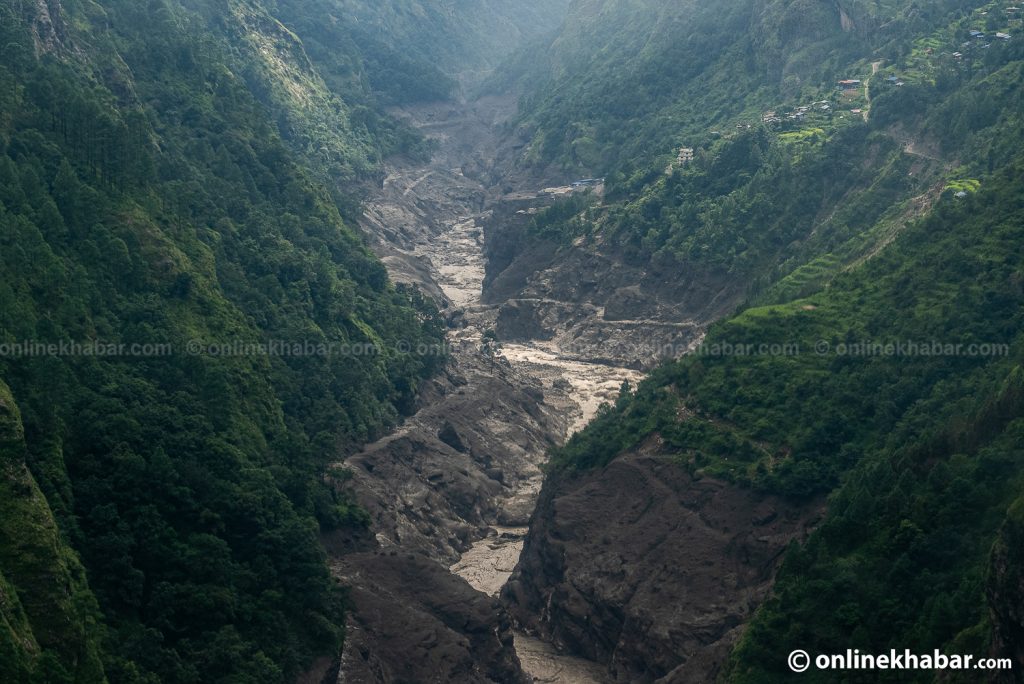
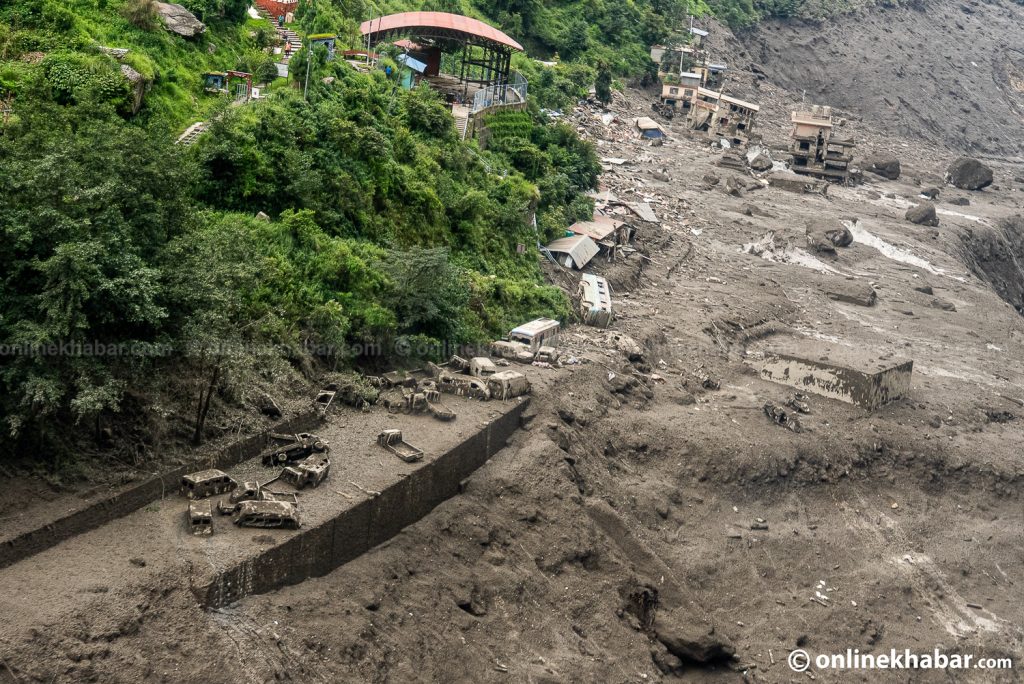
The Bhotekoshi flood, following two previous major disasters in the region within three years, has starkly revealed Nepal's vulnerability to natural calamities. A glacial lake outburst flood in 2024 inundated the Thame River, destroying homes and a school, while last year's flash flood in the Lende River killed at least 11 people and washed away a bridge crucial for customs clearance between Nepal and China.
The Bhotekoshi flood has caused an unimaginable loss of lives and property, exposing Nepal’s vulnerability to disasters.
Nepal, situated downstream from Tibet, is particularly susceptible to disasters originating from its northern neighbor. The country hosts 3,252 glaciers and 2,323 glacial lakes, with 20 identified as potentially dangerous. Global warming intensifies the risk of Glacial Lake Outburst Floods (GLOFs). A 2020 report identified 47 potentially dangerous glacial lakes across Nepal, China, and India, with 25 in China's Tibet Autonomous Region. Disasters originating here can have devastating transboundary impacts on Nepal.
Last year’s flash flood in the Lende River in Rasuwagadhi, the area affected this time as well, killed at least 11 people while sweeping away the bridge that connected Nepal and China and vehicles kept there for customs clearance.
Effective disaster mitigation hinges on robust cross-border information sharing. While a mechanism exists between Nepal and China, its functionality is questionable. Timely flood warnings, which are possible given the travel time of floodwaters, could save lives. Nepal must take the initiative to activate and improve these sharing mechanisms.
As Nepal lies downstream from Tibet, any such disaster can have devastating consequences for the country.
Furthermore, implementing early-warning systems in high-risk areas is crucial for preparedness. The recurrence of similar disasters in the affected area last year suggests that a functional early-warning system could have significantly reduced the loss of life and property. Despite contributing minimally to global warming, Nepal bears its brunt, making preparedness and response paramount. While efforts are underway to equip security forces for disaster response, sustained government attention, investment, and advanced techniques are necessary to address the evolving nature of these disasters.
As disasters of this nature are cross-border issues, there must be proper mechanisms for cross-boundary information sharing.
About this summary
Originally published by Kathmandu Post. Summarized and contextualized automatically by DistantNews, with a note on how the source frames the story. Not individually reviewed before publishing. How this works.
More Stories

From Our Blog

What Gets Lost (and Found) When News Is Translated

The Critical Role of Diaspora Media in Global News

What Travellers Should Know About Countries with Restricted Press

A Digital Nomad's Guide to Following Local News

How the Same Story Looks Different in Different Countries
