


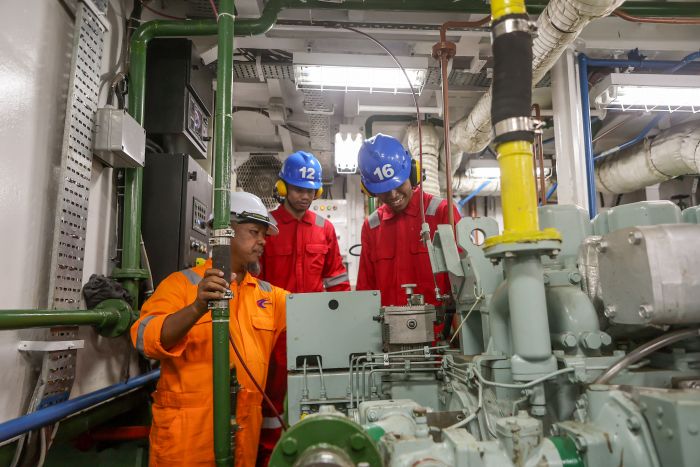
Strengthen Industrial Training Safety After Trainee Fatalities
Translated from Malay, summarized and contextualized by DistantNews.
At a glance
Opinion
Sources not specified
Context piece
- Recent fatal accidents involving industrial trainees from UTAR and UPM highlight serious safety concerns in Malaysia's industrial training programs.
- The current legal framework, which does not classify trainees as 'employees' under the 1955 Employment Act, raises questions about their legal protection.
- Experts urge the government and higher education institutions to strengthen existing policies with safety audits, pre-placement briefings, comprehensive insurance, and regular monitoring.
Recent fatal accidents involving industrial trainees from Universiti Tunku Abdul Rahman (UTAR) and Universiti Putra Malaysia (UPM) have sounded a serious alarm for all parties involved in Malaysia's industrial training programs. These incidents underscore the urgent need to re-evaluate the safety and welfare aspects of these crucial learning experiences.
Industrial training is more than just an academic requirement; it is a vital part of a student's education that directly impacts their safety, well-being, and future career prospects. The safety of students during this period cannot be treated as a secondary concern. Since the introduction of the Industrial Training Policy by the Ministry of Higher Education (KPT) in 2010, industrial training has become a cornerstone of many higher education programs, aimed at enhancing graduate employability.
Despite over a decade of implementation, significant weaknesses persist, particularly concerning the safety and welfare protection of trainees. A key issue is the legal standing of industrial trainees, who are not categorized as 'employees' under the 1955 Employment Act. This ambiguity raises serious questions about the extent of legal protection they receive. Concerns include the lack of uniform risk assessments for host organizations, limited safety monitoring, and unclear emergency procedures, all of which can expose trainees to accidents, especially when they undertake tasks without adequate safety training.
To address these shortcomings, the government and higher education institutions (IPTs) must fortify current policies. This includes implementing mandatory safety audits for training sites, providing thorough safety briefings before placements, ensuring comprehensive insurance coverage, and establishing regular monitoring mechanisms. Simultaneously, host organizations must recognize that accepting trainees entails not only providing work experience but also guaranteeing a safe environment. The pursuit of quality graduates should not come at the expense of their safety. The article warns against complacency, stating, "Don't wait for another tragedy to occur before taking stricter action."
DistantNews Editorial
Originally published by Utusan Malaysia in Malay. Translated, summarized, and contextualized by our editorial team with added local perspective. Read our editorial standards.
More Stories


From Our Blog

What Gets Lost (and Found) When News Is Translated

The Critical Role of Diaspora Media in Global News

What Travellers Should Know About Countries with Restricted Press

A Digital Nomad's Guide to Following Local News

How the Same Story Looks Different in Different Countries
