


Strong Meltemi Winds Exceed 100 km/h in Greece, High Fire Risk Persists
Translated from Greek, summarized and contextualized by DistantNews.
At a glance
News
Sources not specified
Context piece
- Strong northern winds, known as 'meltemi,' reached speeds over 100 km/h in several Greek regions on Saturday.
- Peak wind gusts were recorded in Penteli (112 km/h), Karystos (107 km/h), and Tinos (104 km/h).
- Much of Greece remains on high alert for fire risk on Sunday, with many areas categorized as Very High danger (category 4).
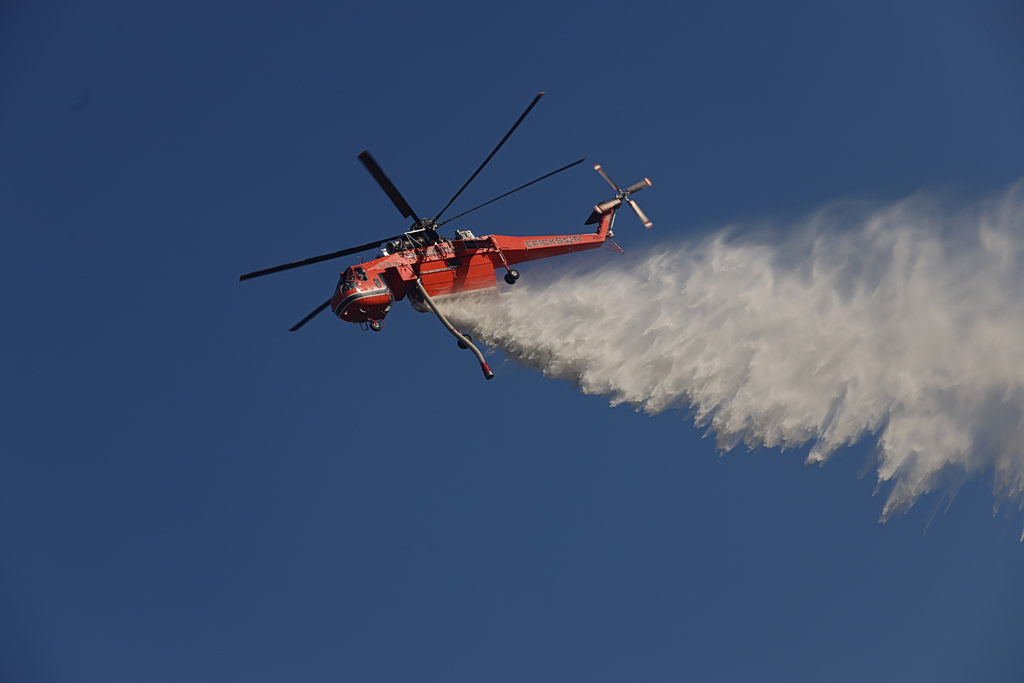
A powerful 'meltemi' wind, characterized by strong northerly gusts, swept across several Greek regions on Saturday, with speeds exceeding 100 km/h in multiple locations. The National Observatory of Athens' automatic weather station network recorded peak gusts of up to 112 km/h in Penteli (Penteli Summit), 107 km/h in Karystos (Paximada Karystou), and 104 km/h in Tinos (Porto Tinos). These measurements highlight the intensity of the weather event across the Aegean and mainland Greece. In response to the high winds and dry conditions, a significant portion of the country remains on high alert for fire risk on Sunday, August 16, 2026. The General Secretariat for Civil Protection has issued a 'Red Code' alert, indicating a Very High fire danger (category 4) for several areas. These include the entire Attica region (including Kythira), the regional units of Boeotia and Evia in Central Greece (including Skyros), the Cyclades islands in the South Aegean region, and the entire island of Crete. The 'Red Code' status signifies a state of full mobilization for civil protection forces, involving the deployment of necessary personnel and resources to address emergencies and mitigate the consequences of potential disasters. Authorities are also preparing short-term recovery and support actions.
DistantNews Editorial
Originally published by Ta Nea in Greek. Translated, summarized, and contextualized by our editorial team with added local perspective. Read our editorial standards.
More Stories


From Our Blog

What Gets Lost (and Found) When News Is Translated

The Critical Role of Diaspora Media in Global News

What Travellers Should Know About Countries with Restricted Press

A Digital Nomad's Guide to Following Local News

How the Same Story Looks Different in Different Countries
