


Stuck in Strait of Hormuz, US Can No Longer Pivot to Asia
Translated from Korean, summarized and contextualized by DistantNews.
At a glance
Analysis
Sources not specified
Context piece
- The US pivot to Asia has been undermined by its conflict with Iran, weakening its global military projection capabilities.
- The US has depleted significant missile reserves and faced restrictions on using military bases in allied territories.
- Iran's strategic position has strengthened, controlling the Strait of Hormuz and bolstering its regional 'axis of resistance,' complicating US foreign policy objectives.
The long-standing U.S. foreign policy objective of pivoting from the Middle East to the Asia-Pacific has been severely compromised, if not shattered, by the escalating conflict with Iran. This strategic shift, a cornerstone of American foreign policy for over two decades, appears to have been derailed by recent events, leading to significant tactical, strategic, and political losses for the United States.
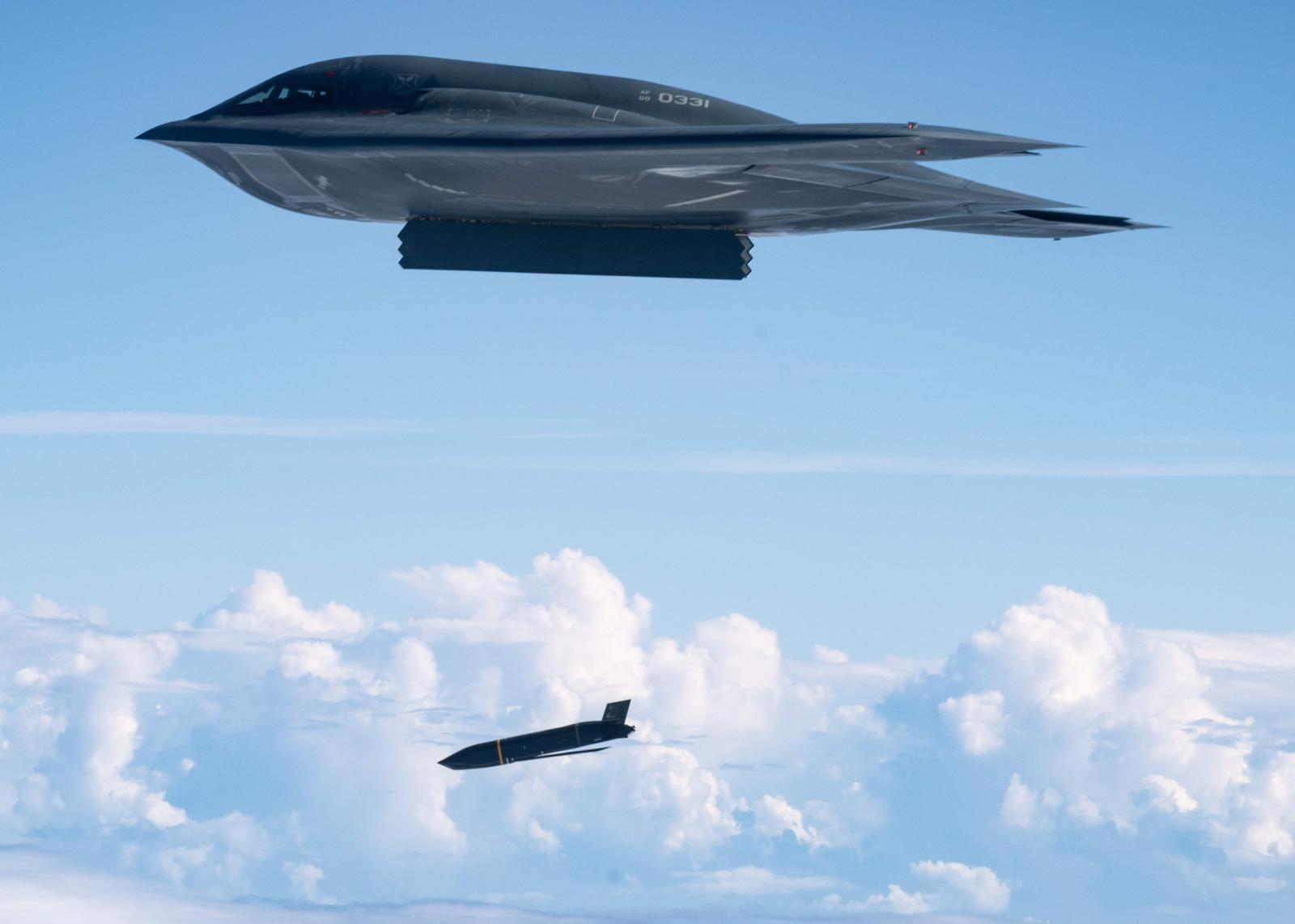
The conflict has directly challenged the two pillars of U.S. transoceanic force projection: access to global military facilities and the deployment of precision-guided missiles. American military bases across the Middle East have come under attack from Iranian ballistic missiles and drones. Furthermore, key U.S. allies in the Middle East and Europe have reportedly denied access to their airspace and military facilities for U.S. operations. Simultaneously, the U.S. has expended a substantial portion of its missile reserves, estimated between 30% and 80% for various types, including Tomahawk cruise missiles and Patriot interceptors, effectively consuming half of its smart bomb arsenal.
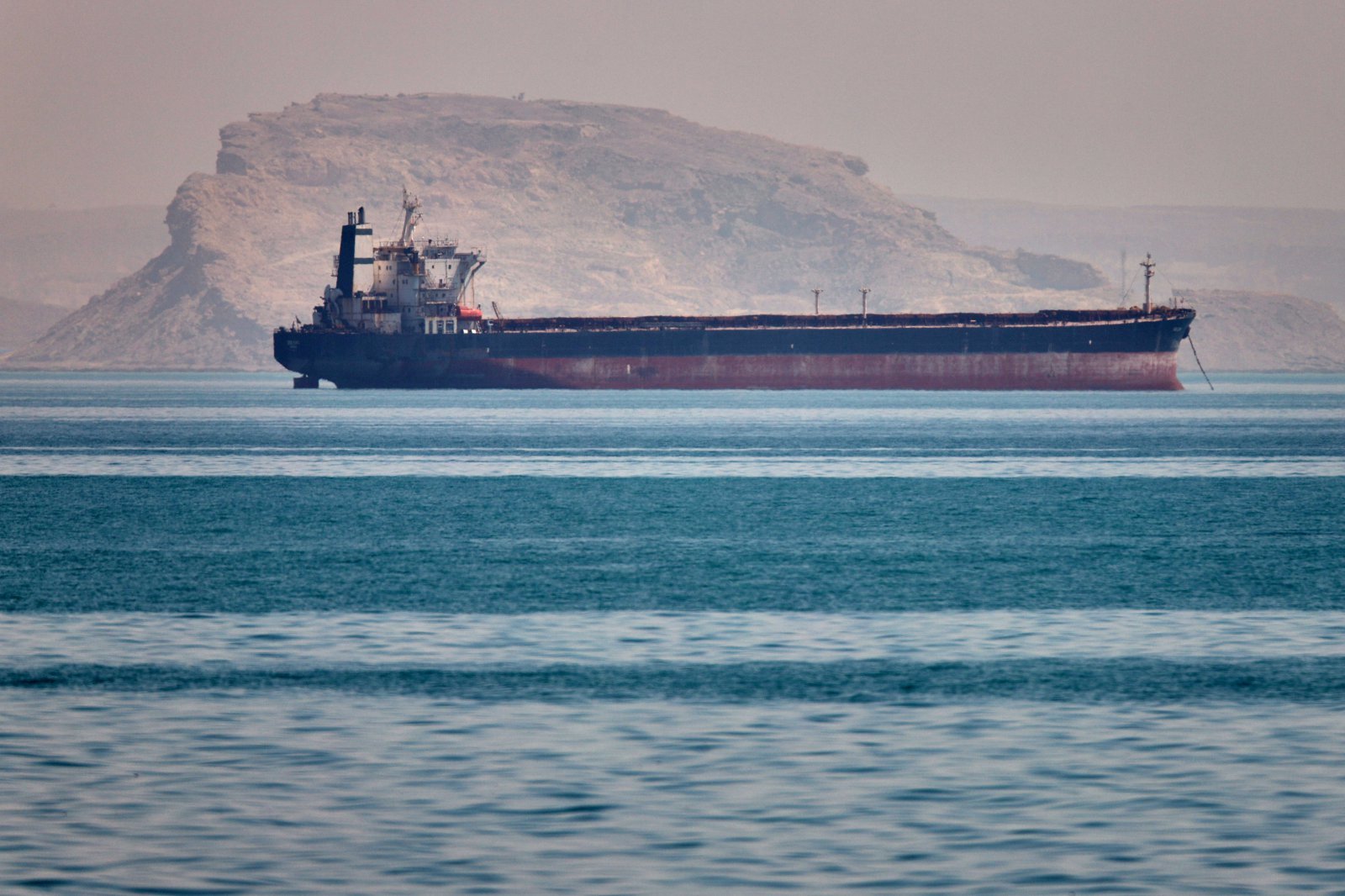
Consequently, the U.S. appears to have lost control over the critical Strait of Hormuz, a vital chokepoint for global energy supplies. Iran's demonstrated ability to threaten this supply route without resorting to nuclear weapons or full-scale war represents a potent deterrent. The resumption of hostilities, even after a temporary ceasefire agreement, highlights the persistent structural tensions between the U.S. and Iran, with Iran seeking to assert its control over the strait.
The situation has been further complicated by Israel's involvement, which has deepened the U.S. predicament. Instead of resolving the issue, the conflict has emboldened Iran and its regional allies. Groups like Hezbollah in Lebanon have maintained pressure on northern Israel, Shia militias in Iraq have played a role in U.S. troop withdrawals, and the Houthis in Yemen and Hamas in Gaza have gained time to rearm. This has led to a more complex web of enemies for Israel and has not eliminated the perceived threat from Iran. Proponents of American hegemony in Washington reportedly struggle to accept this reality, despite warnings from U.S. intelligence agencies about latent threats.
DistantNews Editorial
Originally published by Hankyoreh in Korean. Translated, summarized, and contextualized by our editorial team with added local perspective. Read our editorial standards.
More Stories


From Our Blog

What Gets Lost (and Found) When News Is Translated

The Critical Role of Diaspora Media in Global News

What Travellers Should Know About Countries with Restricted Press

A Digital Nomad's Guide to Following Local News

How the Same Story Looks Different in Different Countries
