

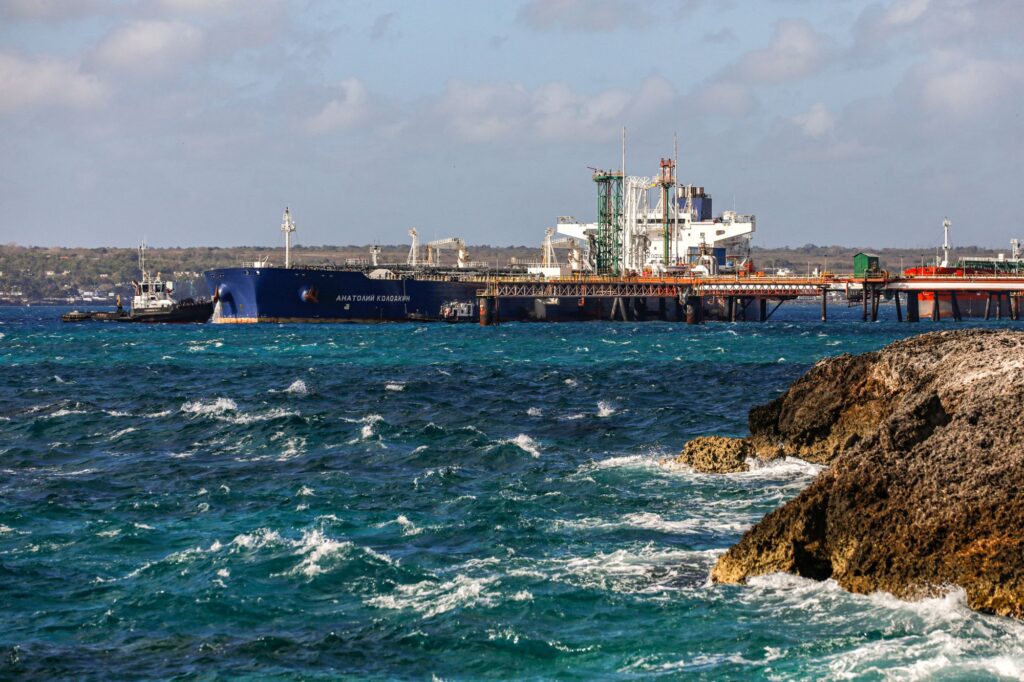

Subsidies Not Absolute Solution, Government Needs New Plan | Utusan Malaysia
Translated from Malay, summarized and contextualized by DistantNews.
TLDR
- Geopolitical tensions in West Asia, particularly the conflict in Iran, have significantly destabilized global energy markets.
- Rising global oil prices are driven by concerns over supply disruptions and unpredictable risks, impacting energy-importing nations.
- The article suggests that subsidies are not a permanent solution and calls for new government strategies to address the economic fallout of fluctuating fuel prices.
The escalating geopolitical tensions in West Asia, stemming from the conflict in Iran, are casting a long shadow over the global energy landscape. Utusan Malaysia observes that the world's oil markets are becoming increasingly volatile, with prices trending upwards. This surge is fueled by legitimate concerns about potential supply disruptions and the sheer unpredictability of future risks in the region.
This instability is not confined to the nations directly involved in the conflict. As an energy-importing nation, Malaysia, like many others, feels the pinch. The rising cost of fuel has a cascading effect, impacting not only transportation but also the prices of goods and services across the economy. This situation underscores our nation's vulnerability to external shocks in the energy sector.
While subsidies have historically been a tool to cushion the blow of rising fuel costs for the rakyat, Utusan Malaysia argues that they are not a sustainable, long-term solution. The government must urgently develop and implement new, forward-thinking strategies. These plans need to address the root causes of our energy dependence and explore avenues for greater energy security and price stability, ensuring the economic well-being of Malaysians in the face of global uncertainties.
DistantNews Editorial
Originally published by Utusan Malaysia in Malay. Translated, summarized, and contextualized by our editorial team with added local perspective. Read our editorial standards.
More Stories

From Our Blog

What Gets Lost (and Found) When News Is Translated

The Critical Role of Diaspora Media in Global News

What Travellers Should Know About Countries with Restricted Press

A Digital Nomad's Guide to Following Local News

How the Same Story Looks Different in Different Countries
