


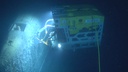
Sunken Soviet Submarine Komsomolets Remains a Radioactive Threat
Translated from Croatian, summarized and contextualized by DistantNews.
At a glance
News
Sources not specified
Context piece
- The sunken Soviet submarine Komsomolets, which sank in the Norwegian Sea in 1989, is considered a ticking time bomb due to the risk of radioactive contamination.
- The submarine carries two nuclear warheads, and while efforts were made to seal its hull and torpedo tubes, it continues to leak radioactive material.
- Despite past warnings and ongoing leaks, current assessments suggest the immediate impact on the marine environment is not significant, though long-term risks remain.
The Soviet nuclear submarine Komsomolets, which sank in the Norwegian Sea in 1989, remains a significant environmental concern, often described as a "ticking time bomb" due to the potential for radioactive contamination. The vessel sank after a fire, with 42 of its 69 crew members perishing. As it sank, an explosion breached its titanium hull, bringing seawater into contact with its nuclear torpedoes.
Within the submarine lie two torpedoes, each containing nuclear warheads with approximately 4 kilograms of plutonium. Environmental activists have long warned of the catastrophic pollution risks if these materials were to leak. While initial sealing operations between 1995 and 1996 aimed to contain radioactive material for at least 30 years, Norwegian authorities have since determined that the submarine continues to leak.
Komsomolets is a ticking time bomb on the bottom of the Norwegian Sea. If nothing is done, and quickly, we are all in danger.
Recent reports indicate that while the torpedoes remain sealed, the submarine's reactor is decaying and periodically releases visible clouds of radioactive material into the sea. A team from the Norwegian Radiation and Nuclear Safety Authority (DSA) found that these leaks are not constant but occur in intermittent bursts from specific points on the hull. Although current discharges are assessed as having minimal impact on the surrounding marine environment, experts caution that long-term corrosion could alter radiation levels.
the current discharges from the reactor 'have not had a major impact on the surrounding marine environment'.
DistantNews Editorial
Originally published by Večernji List in Croatian. Translated, summarized, and contextualized by our editorial team with added local perspective. Read our editorial standards.
More Stories


From Our Blog

What Gets Lost (and Found) When News Is Translated

The Critical Role of Diaspora Media in Global News

What Travellers Should Know About Countries with Restricted Press

A Digital Nomad's Guide to Following Local News

How the Same Story Looks Different in Different Countries
