


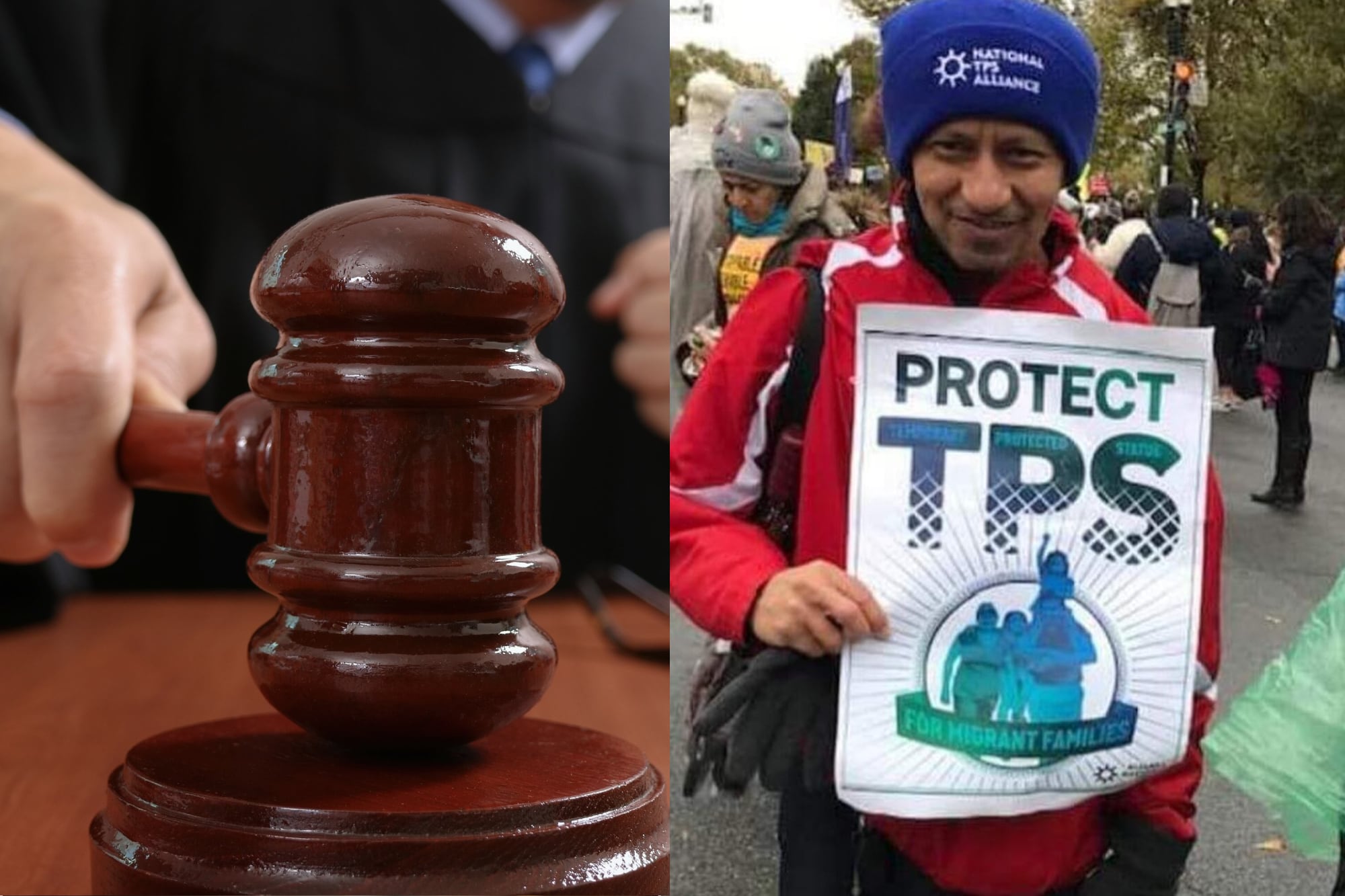
Supreme Court to Rule on Fate of TPS for Migrants
Translated from Spanish, summarized and contextualized by DistantNews.
TLDR
- The U.S. Supreme Court will hear cases Trump v. Miot and Mullin v. Doe on April 29, deciding the future of Temporary Protected Status (TPS).
- The cases challenge the federal government's authority to terminate TPS for migrants from countries facing natural disasters or war.
- The court's decision could affect approximately 350,000 Haitians and 6,000 Syrians currently protected from deportation.
The U.S. Supreme Court is set to hear pivotal cases on April 29 that will determine the fate of Temporary Protected Status (TPS) for hundreds of thousands of migrants. The cases, Trump v. Miot and Mullin v. Doe, center on whether the federal government has the authority to end TPS protections for individuals from countries experiencing natural disasters or armed conflicts. This legal battle stems from the Trump administration's executive order to restrict the program, placing many beneficiaries at risk of deportation.
La decisión de la Corte Suprema se producirá después de la orden ejecutiva del presidente Donald Trump para restringir el alcance del programa, lo que pone a miles de beneficiarios en peligro de ser deportados.
The specific focus is on the termination of TPS for Haitians and Syrians. The Doe case involves Syrian citizens arguing their country remains unstable due to civil war, while the Miot case represents Haitians who fear returning to a nation largely controlled by criminal gangs. The Supreme Court's decision to not suspend lower court rulings that favored migrants while it considers the core issue is seen by some, like New York Times analyst Linda Greenhouse, as a potential sign of a setback for the White House.
This procedural aspect is significant. It allows around 350,000 Haitians and 6,000 Syrians to maintain their work permits and protection against deportation until a final ruling. The central legal question is whether courts can review decisions made by the Department of Homeland Security (DHS) regarding TPS designations. The plaintiffs contend that the government failed to follow necessary procedures, including adequate consultation with other agencies, as required by immigration law.
La sorpresa no fue que la Corte aceptara decidir, sino que rechazara la solicitud de la administración de pausar inmediatamente las decisiones de los tribunales de distrito.
From the perspective of organizations advocating for migrants, this hearing represents a critical juncture. While a favorable ruling based on procedural errors might offer temporary relief, the underlying issue of TPS eligibility and the government's authority remains complex. The outcome will have profound implications for a vulnerable population seeking stability and protection in the United States, highlighting the ongoing tension between immigration enforcement and humanitarian concerns.
Los demandantes sostienen que el gobierno incurrió en errores de procedimiento que son fiscalizables por los jueces.
DistantNews Editorial
Originally published by La Nación in Spanish. Translated, summarized, and contextualized by our editorial team with added local perspective. Read our editorial standards.
More Stories



From Our Blog

What Gets Lost (and Found) When News Is Translated

The Critical Role of Diaspora Media in Global News

What Travellers Should Know About Countries with Restricted Press

A Digital Nomad's Guide to Following Local News

How the Same Story Looks Different in Different Countries
