

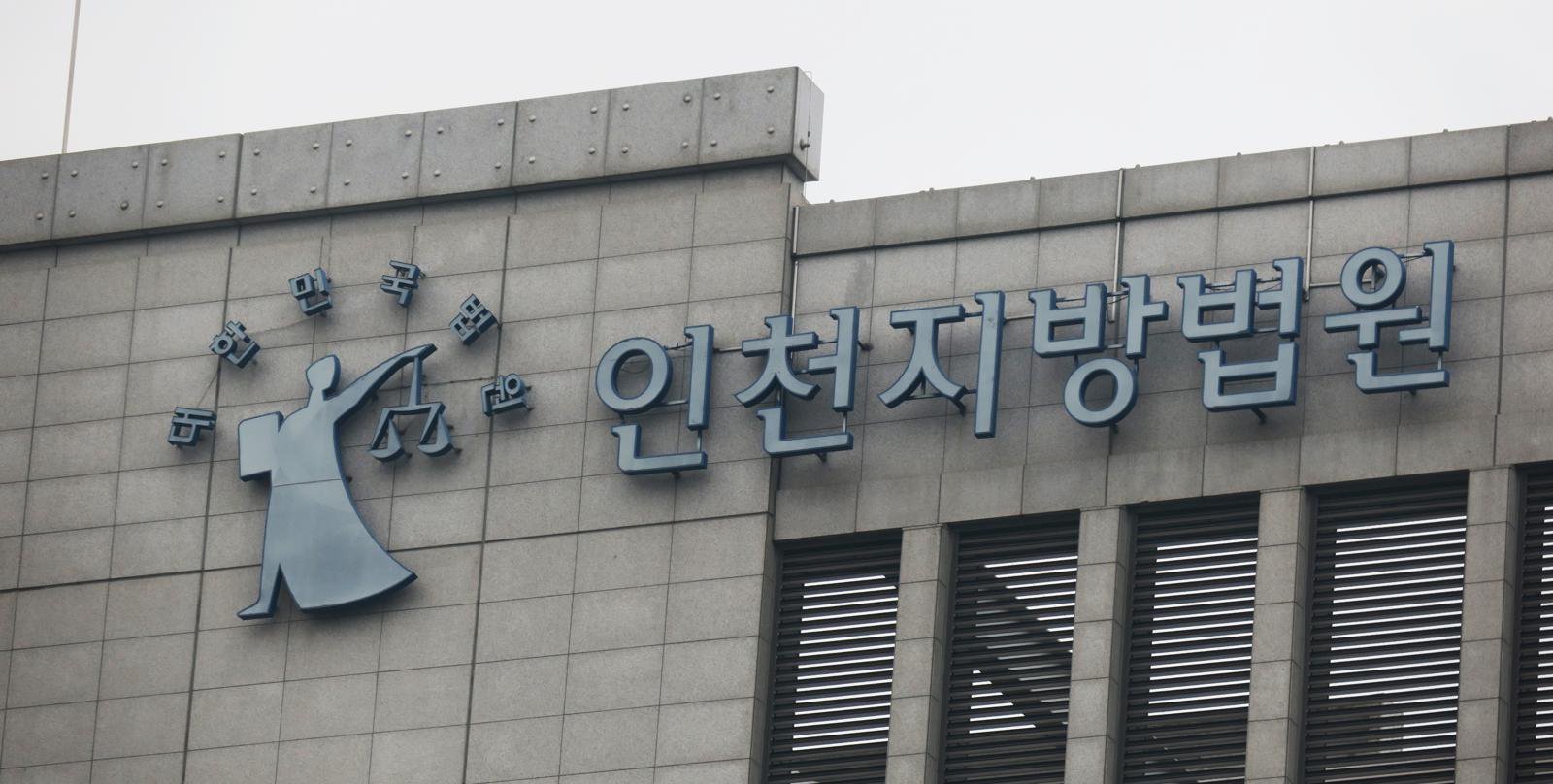

Supreme Court upholds 7-year sentence for ex-President Yoon over martial law obstruction
Translated from Korean, summarized and contextualized by DistantNews.
At a glance
News
Named sources
Outcome reported
- South Korea's Supreme Court upheld a seven-year prison sentence for former President Yoon Suk-yeol for obstructing justice during a probe into his 2024 martial law declaration.
- Yoon was charged with mobilizing security services to block investigators and abusing his authority in relation to the martial law declaration.
- The Supreme Court affirmed the lower courts' decisions, rejecting claims of errors in evidence evaluation or legal interpretation.
South Korea's Supreme Court has finalized a seven-year prison sentence for former President Yoon Suk-yeol, upholding a lower court's ruling in a case related to his controversial declaration of martial law in 2024.
The verdict, delivered on Thursday, concludes a legal process that began 538 days after Yoon's attempt to impose martial law. The former president faced charges of obstruction of justice for allegedly mobilizing the Presidential Security Service to prevent investigators from the Corruption Investigation Offices for High-ranking Officials from executing an arrest warrant against him on January 3, 2025.
Further charges against Yoon included abusing his authority and infringing on the rights of Cabinet members by selectively summoning them for a meeting to review the martial law declaration. He was also indicted for drafting and subsequently destroying a martial law proclamation created after the fact, and for ordering presidential aides to draft false communiques regarding the declaration.
Initially sentenced to five years in prison by a district court, Yoon's sentence was increased to seven years by an appeals court. The special prosecution team had sought a 10-year sentence in both trials. The Supreme Court's decision stated that the lower courts did not exceed their discretion in evaluating evidence or misinterpret the law concerning the offenses.
The lower court did not exceed the limits of its discretion in evaluating evidence by violating the principles of logic and experience, nor did it err in its interpretation or application of the law concerning the elements of the offense.
DistantNews Editorial
Originally published by Hankyoreh in Korean. Translated, summarized, and contextualized by our editorial team with added local perspective. Read our editorial standards.
More Stories

From Our Blog

What Gets Lost (and Found) When News Is Translated

The Critical Role of Diaspora Media in Global News

What Travellers Should Know About Countries with Restricted Press

A Digital Nomad's Guide to Following Local News

How the Same Story Looks Different in Different Countries
