

Swedish man survives nearly two months buried in snow
Translated from English, summarized and contextualized by DistantNews.
At a glance
In-depth
Sources not specified
Outcome reported
- A 44-year-old Swedish man, Peter Skyllberg, survived for nearly two months buried in snow after his car became stranded in the country's north in December 2011.
- Snowmobilers discovered his car in February 2012, buried under a meter of snow, and found him alive but severely weakened inside.
- Doctors believe he survived by melting snow for hydration and entering an extreme energy-conservation state due to prolonged cold, challenging human survival limits.
In an extraordinary display of human resilience, a 44-year-old Swedish man, Peter Skyllberg, survived for nearly two months trapped inside his car, buried under a meter of snow in Sweden's frozen north.
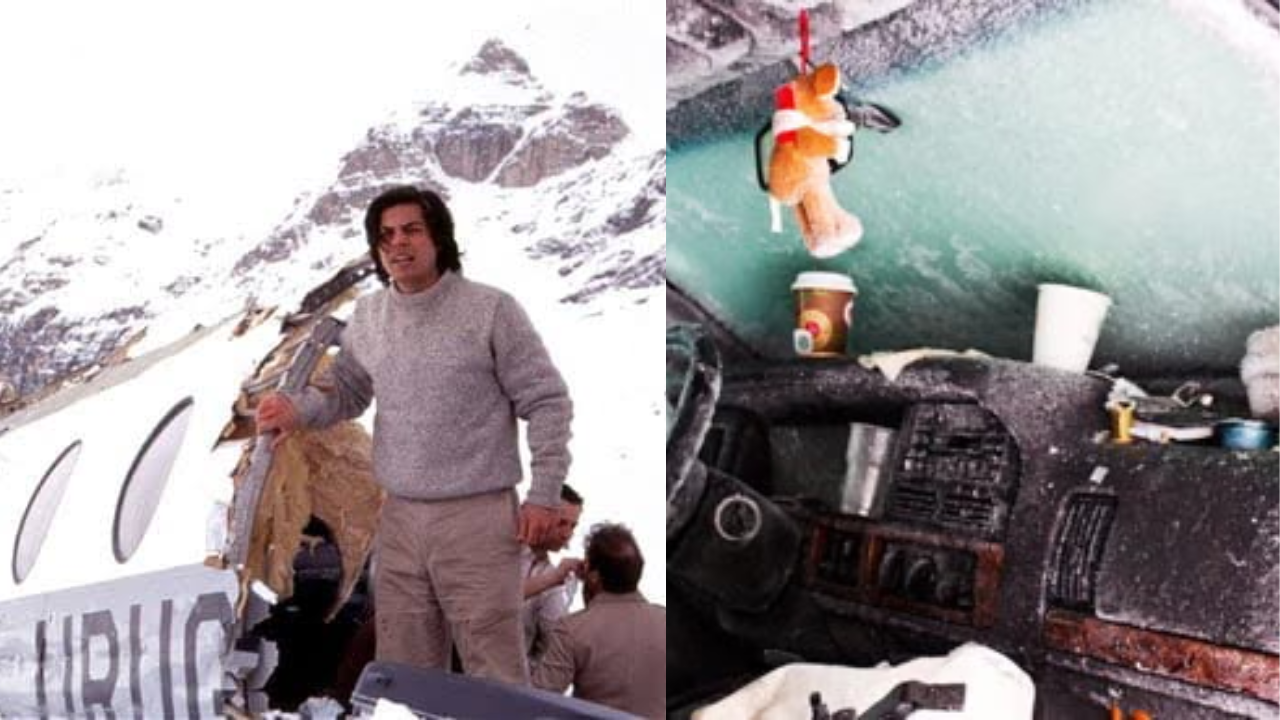
Skyllberg disappeared in December 2011 while driving. Weeks later, in February 2012, a group of snowmobilers noticed what appeared to be a car roof protruding from a snowdrift. Upon digging, they made the astonishing discovery of Skyllberg alive, though severely weakened, inside the snow-covered vehicle.
Emergency responders airlifted him to a hospital, where he was treated for severe dehydration, malnutrition, and hypothermia. Medical specialists estimated he had survived with little to no food for approximately two months. Doctors suggested that melting and drinking snow likely prevented fatal dehydration, while his body relied on stored fat reserves. They also theorized that the extreme cold may have induced a state of dramatically slowed metabolism, reducing his body's calorie requirements.
The thick blanket of snow acted as a natural insulator, protecting the car's interior from the harshest external temperatures and maintaining a more stable environment than the outside air. This remarkable survival challenged conventional understanding of human endurance, as surviving for such an extended period in isolation is exceptionally rare, even under conditions where humans can endure weeks without food.
Doctors involved in his case emphasized that survival depends on numerous factors, including hydration, body fat, activity levels, environmental conditions, and underlying health. Skyllberg's case serves as a rare and compelling example of the human body's capacity to endure extreme conditions against all odds.
DistantNews Editorial
Originally published by Times of India in English. Translated, summarized, and contextualized by our editorial team with added local perspective. Read our editorial standards.
More Stories



From Our Blog

What Press Freedom Means for the News You Read

What Gets Lost (and Found) When News Is Translated

The Critical Role of Diaspora Media in Global News

What Travellers Should Know About Countries with Restricted Press

A Digital Nomad's Guide to Following Local News
