


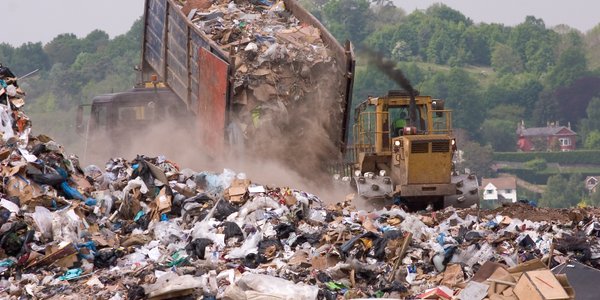
Swedish waste incinerators are hunting for rubbish, including imports from Poland
Translated from Polish and summarized by DistantNews. Read the original for the full story.
At a glance
In-depth
Named sources
Context piece
- Sweden’s waste imports rose 189% from 1.34 million tonnes in 2010 to 3.86 million tonnes in 2024, helping fuel combined heat and power plants.
- Supporters say incineration provides energy and helps countries with weaker waste systems, while critics point to emissions, transport pollution and ash disposal.
- Waste burning accounts for 8% of Sweden’s total greenhouse-gas emissions, and the country includes it in its emissions trading system.
Swedish incinerators are looking abroad for rubbish as the country’s sorting and recycling systems leave domestic plants short of waste. Imports rose from 1.34 million tonnes in 2010 to 3.86 million tonnes in 2024, an increase of 189%, according to Dagens Nyheter.
The imported waste comes from countries including Britain, Italy and Poland. Sweden’s demand has also grown as it moves away from heating oil and coal faster than other countries, creating a need for material to feed its combined heat and power plants.
Mats Eklund, a professor at Linköping University’s Department of Environmental Technology, described waste-burning plants as a success. “Swedish municipalities receive payment for helping countries that do not have a waste-management system allowing them to dispose of rubbish in a more sustainable way,” he said.
At Block 5 in Uppsala, 46% of the waste comes from abroad. Trucks arrive from Britain, Poland, France, Belgium, Finland and Norway, while a plant employee is due to travel to Italy to seek more suppliers. The business has also drawn criticism. Waste incineration now produces 8% of Sweden’s greenhouse-gas emissions, a share that has increased in recent years. Sweden is one of the few countries to include waste burning in its emissions trading system.
Transport adds another carbon cost, particularly when rubbish travels from distant countries such as Italy. Incineration also leaves ash and slag, which may contain valuable metals but are generally treated as waste. The alternative, however, is landfill, where decomposing waste also produces greenhouse gases. Stockholm’s Högdalen plant first accepted 6,000 tonnes of waste from Naples in 2012, and a company representative later expressed preliminary interest in Polish waste.
Swedish municipalities receive payment for helping countries that do not have a waste-management system allowing them to dispose of rubbish in a more sustainable way.
About this summary
Originally published by Rzeczpospolita in Polish. Translated, summarized, and contextualized automatically by DistantNews, with a note on how the source frames the story. Not individually reviewed before publishing. How this works.
More Stories


From Our Blog

What Gets Lost (and Found) When News Is Translated

The Critical Role of Diaspora Media in Global News

What Travellers Should Know About Countries with Restricted Press

A Digital Nomad's Guide to Following Local News

How the Same Story Looks Different in Different Countries
