

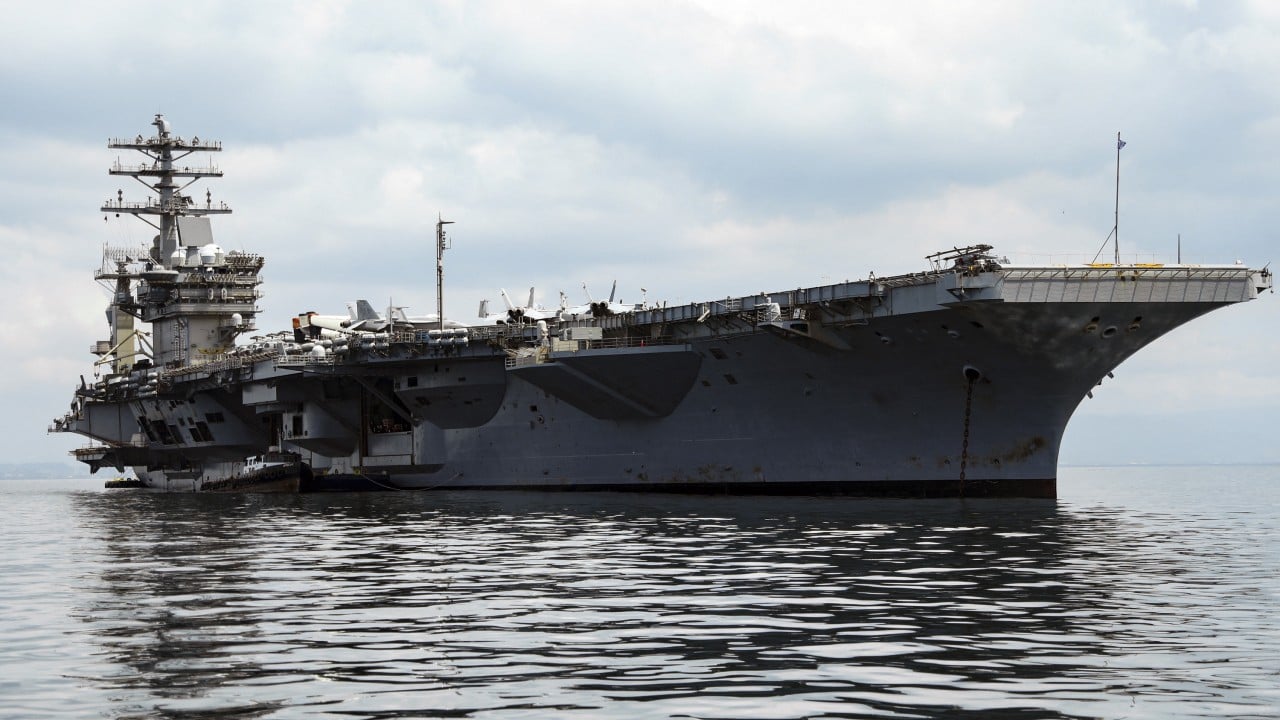
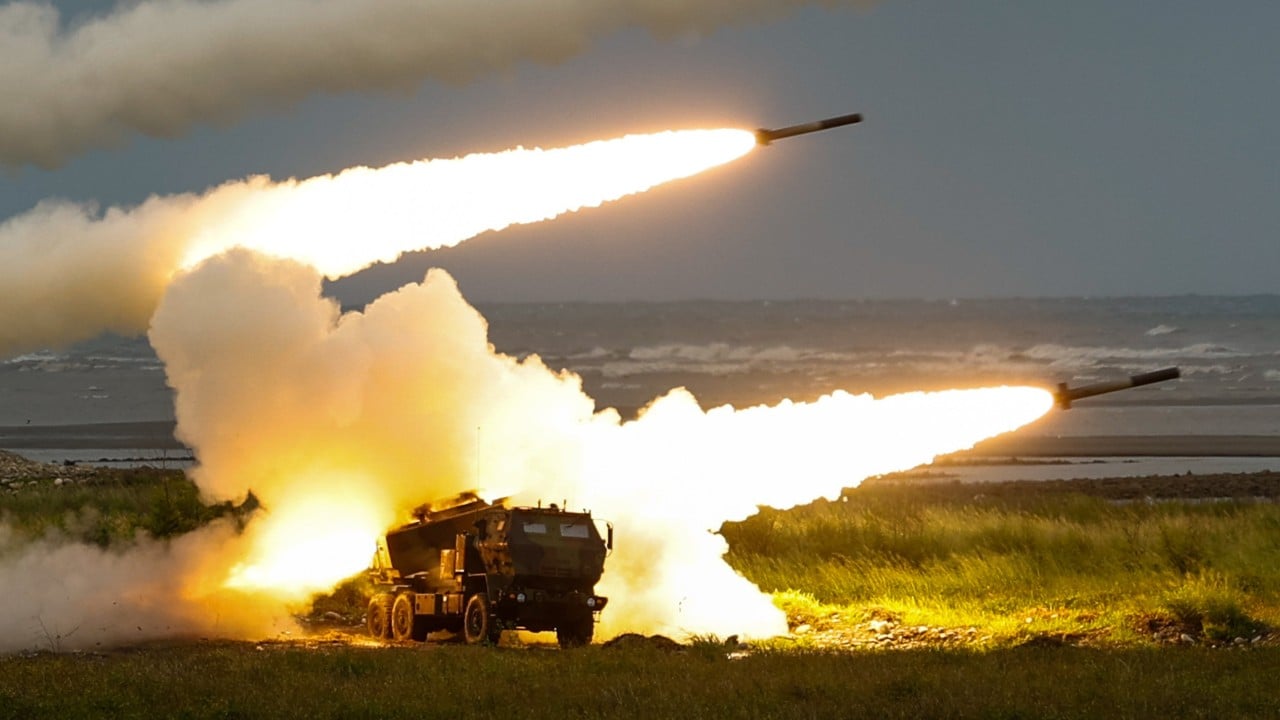
Taiwan proposes record US$35b defence budget for 2027 amid growing PLA pressure
Translated from English, summarized and contextualized by DistantNews.
At a glance
News
Official statement
New plan
- Taiwan has proposed a record defense budget of NT$1.12 trillion (US$35 billion) for 2027.
- The budget represents an 18.2% increase from the previous year, with significant funds allocated to weapons and military operations.
- This move comes amid escalating military pressure from Beijing and calls from Washington for increased Taiwanese defense spending.
Taiwan has unveiled a record NT$1.12 trillion (US$35 billion) defense budget for 2027, signaling a substantial increase in spending on weapons, ammunition, and military operations. This proposed budget, the first to surpass the NT$1 trillion mark, is NT$173 billion, or 18.2 percent, higher than the current year's allocation.
The significant rise in defense expenditure accounts for approximately 28.6 percent of the government's proposed NT$3.93 trillion total expenditure for the upcoming year. This means nearly NT$29 of every NT$100 allocated by the government will be directed towards defense and related security measures.
This heightened spending comes in response to mounting military pressure from China's People's Liberation Army and repeated encouragement from Washington for Taipei to bolster its own defense capabilities. Taiwanese leader William Lai Ching-te has committed to increasing overall defense spending to 5 percent of the gross domestic product by 2030, aiming to strengthen the island's deterrent posture. The proposed budget prioritizes military investment, which would see an increase of NT$97.5 billion, reaching NT$259.1 billion, forming the largest portion of the overall budget hike.
DistantNews Editorial
Originally published by South China Morning Post in English. Translated, summarized, and contextualized by our editorial team with added local perspective. Read our editorial standards.
More Stories

From Our Blog

Countries Without a Free Press: What You Need to Know

What Press Freedom Means for the News You Read

What Gets Lost (and Found) When News Is Translated

The Critical Role of Diaspora Media in Global News

What Travellers Should Know About Countries with Restricted Press
