


Why China will need a ‘more persuasive security offer’ to win over middle powers
Summarized and contextualized by DistantNews.
At a glance
News
Named sources
Context piece
- A U.S. defense official urged regional partners to increase defense spending and align with American priorities, cautioning against "middle-power alliances" designed to exclude the U.S.
- The remarks intensified debate among U.S. allies on reducing dependence on Washington without drifting toward Beijing.
- The official stated that access to the U.S. defense industrial base is a privilege, not a right.
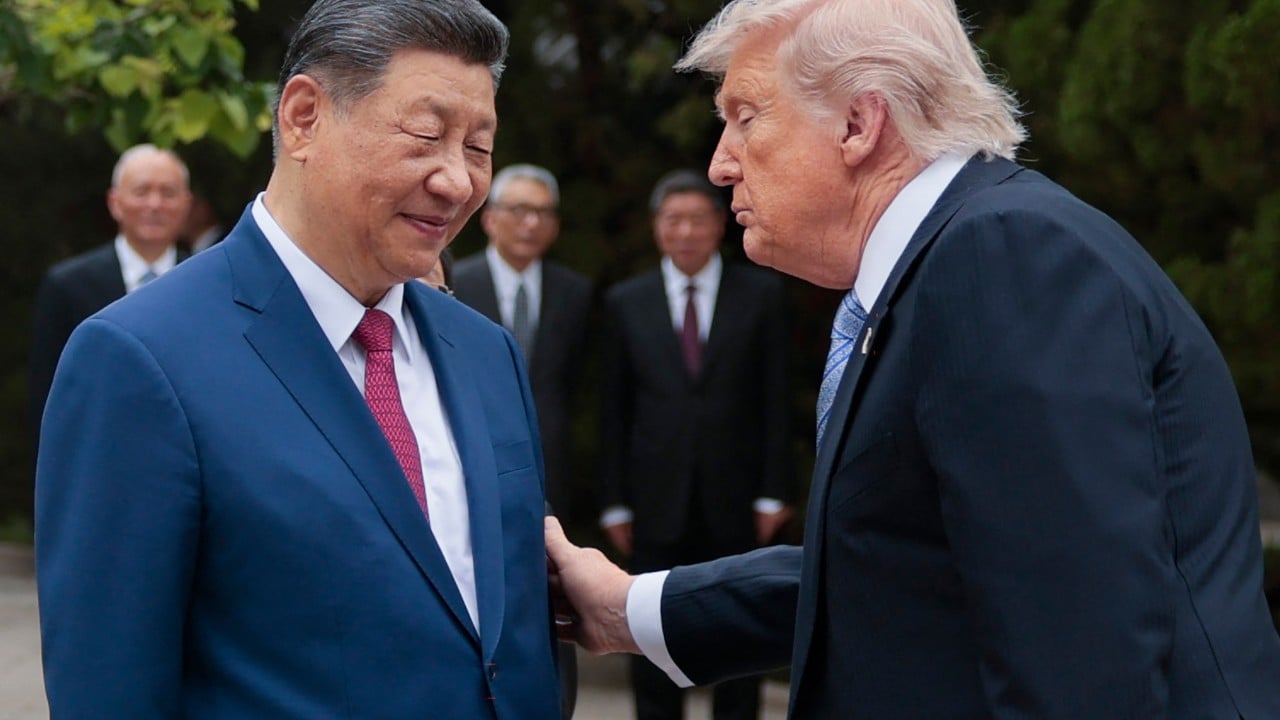
Amid heightened tensions and ahead of Chinese leader Xi Jinping's visit to the White House, a senior U.S. defense official has urged regional partners to bolster their defense spending and align more closely with American priorities. Elbridge Colby, undersecretary of defense for policy, speaking in Manila, cautioned against what he termed "the delusion of fashionable but superficial ideas like middle-power alliances designed to exclude America."
partners, not protectorates
Colby's remarks reinforced a message he laid out earlier, describing such strategies as based on a "faulty understanding" of international relations. He warned that allies risk "wasting valuable time, money and political capital on a distraction" by pursuing these alliances. He emphasized that access to the U.S. defense industrial base is "a privilege, not a right."
the delusion of fashionable but superficial ideas like middle-power alliances designed to exclude America
These statements have amplified an ongoing debate among U.S. allies regarding strategies to reduce their dependence on Washington, particularly in light of the transactional nature of the Donald Trump era. The core challenge for these allies is to navigate a path that avoids drifting into Beijing's orbit while seeking greater autonomy from U.S. policy.
a great deal of hubbub about a collective ‘middle powers’ strategy these days
The U.S. seeks "partners, not protectorates," Colby stated, underscoring a preference for alliances built on shared priorities and mutual commitment rather than arrangements perceived as exclusive or designed to sideline American interests. This stance highlights the complex geopolitical landscape as nations grapple with shifting global power dynamics.
faulty understanding
DistantNews Editorial
Originally published by South China Morning Post. Summarized and contextualized by our editorial team with added local perspective. Read our editorial standards.
More Stories

From Our Blog

Countries Without a Free Press: What You Need to Know

What Press Freedom Means for the News You Read

What Gets Lost (and Found) When News Is Translated

The Critical Role of Diaspora Media in Global News

What Travellers Should Know About Countries with Restricted Press
