


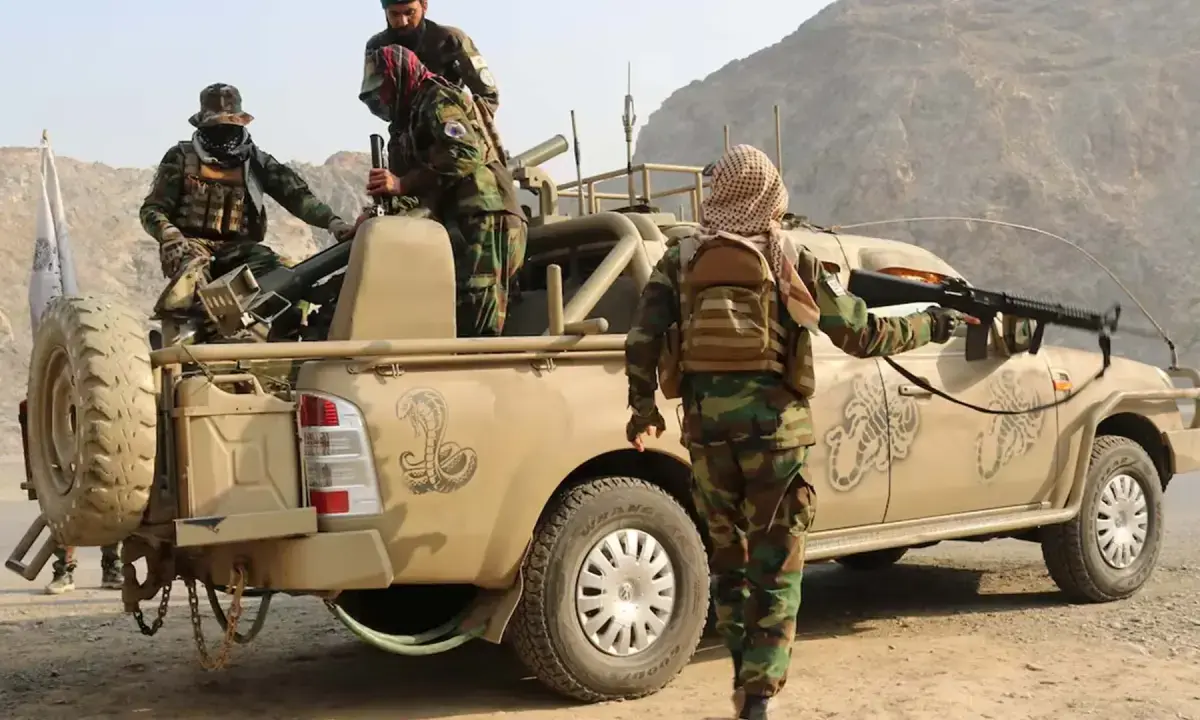
Taliban support fuels deadlier TTP attacks in Pakistan: UN
Summarized and contextualized by DistantNews.
At a glance
News
Official statement
Context piece
- The Afghan Taliban's continued support for the Tehreek-i-Taliban Pakistan (TTP) fuels more frequent and deadly attacks in Pakistan, according to a UN report.
- The report highlights growing links between the TTP, Al Qaeda, ISIL-K, and the Baloch Liberation Army (BLA).
- While Kabul has taken some steps to curb the TTP, such as relocating fighters, the group's command and training networks remain intact.
The Afghan Taliban's ongoing support for the Tehreek-i-Taliban Pakistan (TTP) is directly contributing to an increase in the frequency and lethality of terrorist attacks within Pakistan. This assessment comes from a UN Security Council-mandated monitoring report, which also notes that Kabul has initiated some measures to control the group. The report details expanding operational and facilitation ties among the TTP, Al Qaeda, Islamic State-Khorasan (ISIL-K), and the Baloch Liberation Army (BLA).
The 38th report from the UN Analytical Support and Sanctions Monitoring Team, covering the period from December 16, 2025, to June 9, 2026, stated that cross-border attacks between Pakistan and Afghanistan have escalated. These incidents were provoked by a high number of TTP attacks against Pakistan. The report unequivocally highlighted the de facto authorities in Afghanistan's role, stating they "continued their support to the Tehreek-i-Taliban Pakistan (TTP), which escalated attacks against Pakistan, provoking military exchanges." Member states have expressed concern that the ongoing conflict could create opportunities for terrorist groups and generate additional security challenges for the region.
Despite the continued support, the report acknowledges some initial steps taken by the Taliban authorities to contain the TTP. These actions appear aimed more at managing the group's presence than dismantling its operational infrastructure. Afghan authorities have reportedly relocated approximately 2,000 TTP fighters and their families from border areas deeper into Afghanistan. Furthermore, Taliban leader Hibatullah Akhundzada has allegedly warned the TTP leadership through backchannel communications to halt attacks against Pakistan, or risk losing Taliban support.
This dual-track approach by the Taliban suggests they continue to provide the TTP with space and support due to shared ideological ties. Simultaneously, they are relocating some fighters away from the border to mitigate attacks on Pakistan, avoid major escalation with Islamabad, and address international concerns. However, for Pakistan, relocating fighters further into Afghanistan does little to resolve the core problem as long as the TTP's command, training, and logistical networks remain operational. The TTP has continued to expand its organizational structure and operational reach, announcing a revised structure with new divisions for Balochistan, the central region, and Kashmir and Gilgit following its December leadership meeting. The group also announced a new division described as the "TTP Air Force," indicating an effort to broaden its capabilities.
DistantNews Editorial
Originally published by Dawn. Summarized and contextualized by our editorial team with added local perspective. Read our editorial standards.
More Stories
From Our Blog

What Gets Lost (and Found) When News Is Translated

The Critical Role of Diaspora Media in Global News

What Travellers Should Know About Countries with Restricted Press

A Digital Nomad's Guide to Following Local News

How the Same Story Looks Different in Different Countries
