

Tanzania's High Court to Rule on Challenge to Election Violence Inquiry Commission Appointments
Translated from Swahili, summarized and contextualized by DistantNews.
At a glance
News
Sources not specified
In the courts
- Tanzania's High Court will rule today on a challenge to the appointment of commissioners for a presidential inquiry commission.
- The commission, formed to investigate criminal acts during and after the 2025 general election, had its commissioners appointed by President Samia Suluhu Hassan.
- Two citizens are challenging the legality of these appointments, arguing the president exceeded her authority.
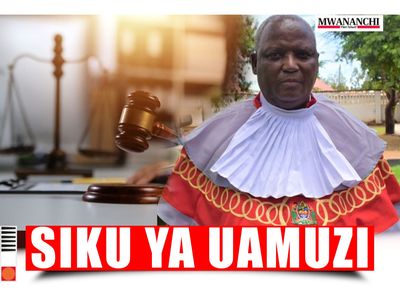
The High Court in Dar es Salaam, Tanzania, is set to deliver a ruling today, July 17, 2026, on a judicial review challenging the appointment of commissioners to a presidential inquiry commission. This commission was established to investigate criminal acts that occurred during and after the 2025 general election.
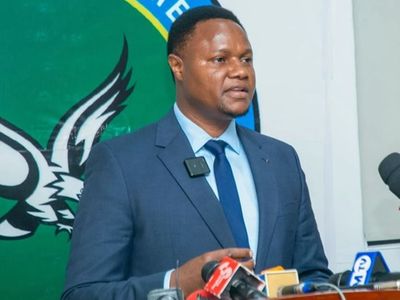
The commission, popularly known as the Jaji Lila Commission, was formed by President Samia Suluhu Hassan, with the chairman and commissioners officially announced on May 18, 2026. Its creation followed recommendations from a previous presidential commission led by retired Chief Justice Mohamed Chande Othman, which submitted its report on April 23, 2026.
However, the president's decision to form the commission and appoint its members has been contested in court. Activists Bubelwa Ephraim Bubelwa and Joseph Daudi Mabugo filed the judicial review, naming the Attorney General, the commission's chairman Justice Shaban Ally Lila, and three retired High Court judges, Gad John Mjemmas, Awadh Mohamed Bawazir, and Aishieli Nelson Sumari, as respondents.
The petitioners are seeking to nullify President Samia's decision to appoint the commissioners and are asking the court to prevent her from taking similar actions in the future. They argue that the president acted outside her legal authority, that the appointments are unlawful, lack logical basis, contradict public expectations, constitute an abuse of discretionary power, and violate the constitution.
During the hearing, the petitioners' lawyers contended that under the Commissions of Inquiry Act, Cap. 32 (R.E. 2023), the president did not have the authority to form another commission after the Jaji Chande commission submitted its report. They argued that after receiving the report, the president had only two options, and forming a new commission was not among them.
DistantNews Editorial
Originally published by Mwananchi in Swahili. Translated, summarized, and contextualized by our editorial team with added local perspective. Read our editorial standards.
More Stories


From Our Blog

What Gets Lost (and Found) When News Is Translated

The Critical Role of Diaspora Media in Global News

What Travellers Should Know About Countries with Restricted Press

A Digital Nomad's Guide to Following Local News

How the Same Story Looks Different in Different Countries
