


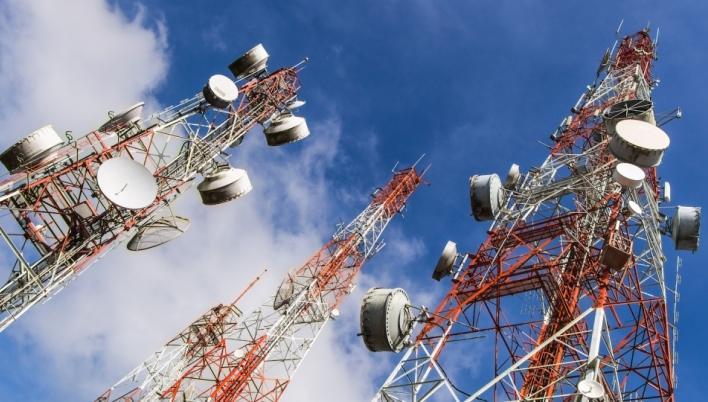
Telecom operators seek stronger infrastructure protection to sustain Nigeria’s digital growth
Summarized and contextualized by DistantNews.
At a glance
News
Named sources
Context piece
- Nigerian telecom operators have driven significant economic growth and digital inclusion over two decades.
- They are now demanding stronger government support, policy consistency, and infrastructure protection to sustain this momentum.
- Key threats include multiple taxation, vandalism, inconsistent policies, energy costs, forex volatility, and insecurity, impacting service quality and future investment.
For over two decades, Nigeria's telecommunications operators have been instrumental in the country's economic success, connecting millions, fostering financial inclusion, and building the digital infrastructure essential for banking, education, healthcare, commerce, and governance. However, these vital companies are now calling for enhanced government backing, stable policies, and robust protection of their infrastructure to ensure the continued growth of these achievements.
Telecommunications has moved beyond voice communication to become the backbone of Nigeria’s digital economy. Every digital payment, online classroom, telemedicine consultation, emergency response and e-government service depends on reliable telecommunications networks.
Gbenga Adebayo, Chairman of the Association of Licensed Telecommunications Operators of Nigeria (ALTON), highlighted the sector's transformation at the Nigeria Information Technology Reporters Association (NITRA) conference. He noted the industry's expansion from fewer than 500,000 lines before 2001 to over 200 million active subscriptions today. "Telecommunications has moved beyond voice communication to become the backbone of Nigeria’s digital economy," Adebayo stated, emphasizing its critical role in digital payments, online education, telemedicine, and e-government services.
Operators have invested billions in mobile networks, fiber optics, international connectivity, data centers, and emerging technologies like 5G, broadening broadband access nationwide. Despite these efforts, Adebayo identified significant threats to future investment. These include multiple taxation, inconsistent Right-of-Way policies, infrastructure vandalism, rising energy costs, foreign exchange volatility, and insecurity. He argued that service quality cannot improve solely through fines, as network performance is directly impacted by unreliable electricity, fiber cuts from construction, vandalism, theft, and policy delays.
Quality of Service cannot be improved through fines and penalties alone. Network performance is directly affected by unreliable electricity supply, fibre cuts arising from road construction, vandalism, theft, Right-of-Way delays and multiple taxation.
Adebayo stressed that telecommunications is foundational to Nigeria's digital future, with every investment in resilient infrastructure supporting economic growth, innovation, national security, and inclusive development. He commended President Bola Ahmed Tinubu's administration for recognizing digital infrastructure's importance and praised the Nigerian Communications Commission (NCC) for its transparent regulatory approach.
Telecommunications is no longer simply an industry; it is the foundation upon which Nigeria’s digital future is being built. Every investment in resilient telecommunications infrastructure is an investment in economic growth, innovation, national security and inclusive development.
DistantNews Editorial
Originally published by Vanguard. Summarized and contextualized by our editorial team with added local perspective. Read our editorial standards.
More Stories


From Our Blog

How the Same Story Looks Different in Different Countries

What Gets Lost (and Found) When News Is Translated

The Critical Role of Diaspora Media in Global News

What Travellers Should Know About Countries with Restricted Press

A Digital Nomad's Guide to Following Local News
