


Tense Race for Security Council Seat, Gerhard Schröder in Moscow, Next Act in Trump's Tariff Drama
Translated from German, summarized and contextualized by DistantNews.
At a glance
News
Sources not specified
Context piece
- Germany is vying for a non-permanent seat on the UN Security Council, facing competition from Portugal and Austria.
- The election, which requires a two-thirds majority, is seen as more contested than usual for Germany.
- Meanwhile, former Chancellor Gerhard Schröder has reportedly been sighted in Moscow amid the St. Petersburg International Economic Forum.
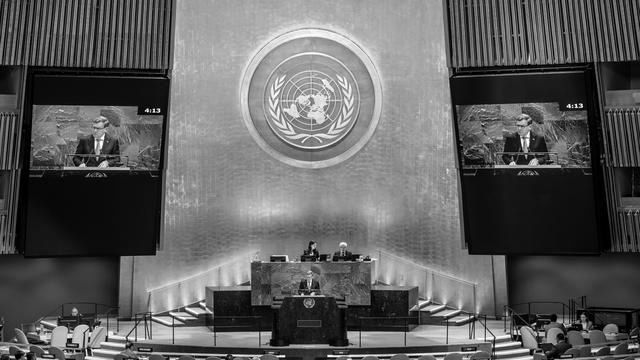
Germany is actively campaigning for a non-permanent seat on the United Nations Security Council for the upcoming two-year term, a position that grants significant influence in global crisis negotiations, peacekeeping missions, and sanctions decisions. This year's bid, however, is proving more competitive than in previous years, with Portugal and Austria also vying for the two available seats designated for Western European states.
CDU Foreign Minister Johann Wadephul and his team are reportedly engaged in intense diplomatic efforts in New York, seeking to secure the necessary two-thirds majority from the 193 UN member states. The campaign involves not only substantive arguments but also potential political trade-offs, as countries seek mutual support for their candidacies.
In parallel, the St. Petersburg International Economic Forum (SPIEF) is underway in Russia. Despite the ongoing conflict in Ukraine and international sanctions, Russian President Vladimir Putin intends to use the forum to project Russia's economic strength. However, official economic figures suggest a slowdown, with the economy shrinking slightly in the first quarter of 2026. Notably, some German companies are participating, including Thomas Bruch of the Globus retail chain. Adding to the intrigue, former German Chancellor Gerhard Schröder, known for his past ties to Putin, was reportedly sighted in a Moscow hotel, though his specific activities remain unclear.
DistantNews Editorial
Originally published by Der Spiegel in German. Translated, summarized, and contextualized by our editorial team with added local perspective. Read our editorial standards.
More Stories
From Our Blog

What Gets Lost (and Found) When News Is Translated

How the Same Story Looks Different in Different Countries

The Critical Role of Diaspora Media in Global News

What Travellers Should Know About Countries with Restricted Press

A Digital Nomad's Guide to Following Local News
