


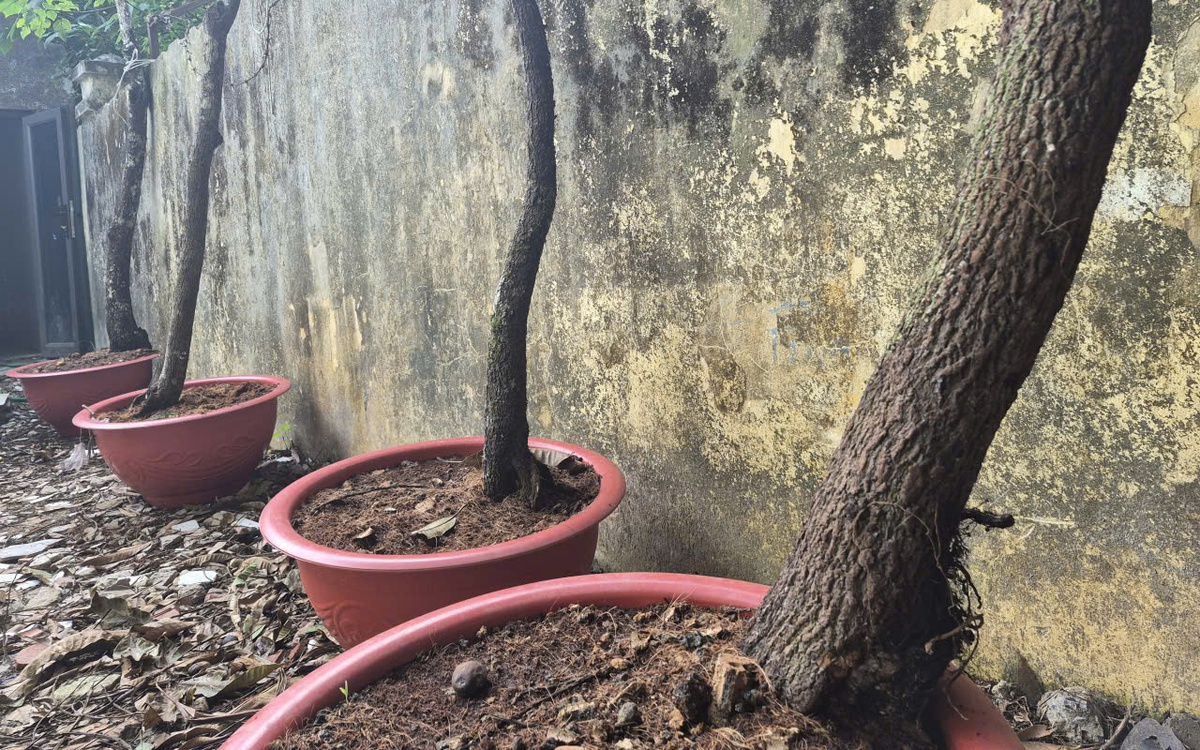
Thanh Hóa Relocates Confiscated Rosewood Saplings to Forests for Care
Translated from Vietnamese, summarized and contextualized by DistantNews.
TLDR
- Authorities in Thanh Hóa, Vietnam, are relocating confiscated 'muội hồng' (rosewood) saplings to national parks and conservation areas for care.
- The decision avoids liquidating the saplings, which could legitimize illegally sourced timber and complicate forest product management.
- Officials warn against the speculative 'fever' surrounding rosewood prices, emphasizing the dangers of illegal harvesting and the legal consequences.
Thanh Hóa province's Forestry Department is taking a responsible and forward-thinking approach to managing confiscated 'muội hồng' (rosewood) saplings, ensuring these valuable natural resources are protected rather than liquidated. The decision to relocate over 280 confiscated saplings to protected areas like Bến En National Park, Xuân Liên, and Pù Luông is a commendable move to prevent illegal timber from being legitimized.
The solution proposed is not to liquidate the confiscated muội hồng saplings and seedlings to avoid the "revolving door" of the goods, causing difficulties in forest product management.
As reported by Tuổi Trẻ, there has been a concerning trend of 'muội hồng' prices being artificially inflated on social media, reaching millions of Vietnamese dong. This has tragically driven some individuals to risk their lives harvesting these trees from dangerous cliff faces. The Forestry Department rightly points out that 'muội hồng' is not a rare species, and the current 'fever' is based on an unsustainable, speculative market.
The Thanh Hóa Forestry Sub-department has advised the Department of Agriculture and Rural Development to finalize the plan to bring all confiscated muội hồng saplings and seedlings to Bến En National Park, Xuân Liên, and Pù Luông Conservation Area for care and protection.
By refusing to liquidate the confiscated saplings, the Thanh Hóa Forestry Department is actively combating the "revolving door" effect where illegally sourced timber could be laundered back into the market. This proactive stance is crucial for maintaining the integrity of forest product management and upholding environmental laws. The department's commitment to strict enforcement against illegal harvesting, transportation, and trade of 'muội hồng' sends a clear message.
The muội hồng tree is not a rare species, and harvesting it from high cliffs is very dangerous to life and is an illegal act.
This situation highlights a unique challenge in Vietnam, where natural resources can become subject to speculative market bubbles. The authorities' emphasis on public awareness, urging citizens to remain vigilant against these artificial price surges and to prioritize safety and legality over illicit gains, is vital. The relocation of these saplings ensures they are cared for and protected, reflecting a commitment to sustainable forest management.
People need to be aware and avoid being swept up in the virtual price 'fever' of the muội hồng tree.
DistantNews Editorial
Originally published by Tuổi Trẻ in Vietnamese. Translated, summarized, and contextualized by our editorial team with added local perspective. Read our editorial standards.
More Stories



From Our Blog

What Gets Lost (and Found) When News Is Translated

The Critical Role of Diaspora Media in Global News

What Travellers Should Know About Countries with Restricted Press

A Digital Nomad's Guide to Following Local News

How the Same Story Looks Different in Different Countries
