

The Animal That Entered Ho Chi Minh City Shrines: Searching Can Gio for the ‘Man-Eating’ Hamlet
Translated from Vietnamese and summarized by DistantNews. Read the original for the full story.
At a glance
In-depth
Named sources
Context piece
- Can Gio once had a place called An Thit, or “Eating Meat,” associated with local stories of man-eating tigers and documented on older maps.
- The area now survives mainly in the name of a small creek in the Can Gio mangrove forest, while most local residents no longer remember the hamlet.
- A 73-year-old former resident, Nguyen Van Dut, helped trace the old settlement and visit his mother’s grave there by boat.
In Can Gio, a place once known as An Thit carries a name that sounds like a threat from a children’s tale. The hamlet, about 20 kilometers from central Ho Chi Minh City, was linked to stories of fierce tigers that preyed on people. Today, the settlement has nearly disappeared from local memory, but its name remains on a small creek hidden in the mangrove forest.
An Thit was once famous for many fierce tigers and blood debts.
The name was not merely folklore. Residents once repeated the saying, “Sấu Rạch Lá, hạm Ăn Thịt,” referring to crocodiles at Rach La and fierce tigers at An Thit. French-era books and maps recorded the area as An Thit, An Thit in variant spellings, or the An Thit canton. A 1969 map places the former hamlet in what is now Binh Khanh, formerly Tam Thon Hiep.
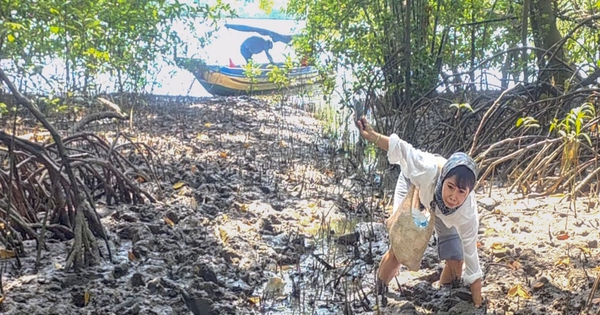
Writer Son Nam described An Thit as a place known for dangerous tigers and bloodshed. He noted that the animals lived in conditions many people would find surprising: saltwater marshes, brackish mudflats crowded with nipa palms, and small patches of higher ground among low grass and scattered trees. The account places the tigers close to the lives of fishermen and forest workers, rather than in some distant wilderness.
Back then this area was called An Thit. People came from everywhere to cut wood and live in groups near the forest. My family came in 1962.
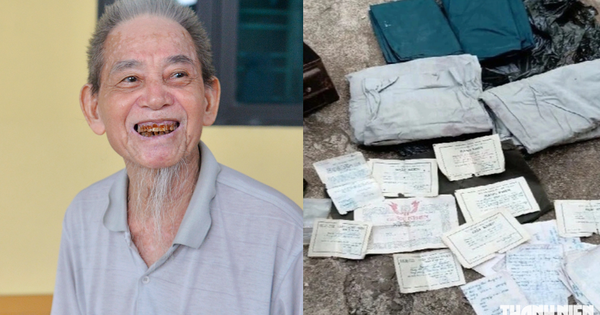
In Binh Khanh, few people now recognize the name. Some residents deny knowing where it is, while others ask what “An Thit” means. The trail eventually leads to a small riverside community near the Long Tau River and the Tam Thon Hiep ferry landing, where 73-year-old Nguyen Van Dut is among the few who remember the old settlement. “Back then this area was called An Thit. People came from everywhere to cut wood and live in groups near the forest. My family came in 1962,” he said. He added that his mother’s grave remains there, giving the journey a purpose beyond locating an old name on a map.
My mother’s grave is still down there, so I occasionally go back to visit it.
About this summary
Originally published by Thanh Niên in Vietnamese. Translated, summarized, and contextualized automatically by DistantNews, with a note on how the source frames the story. Not individually reviewed before publishing. How this works.
More Stories

From Our Blog

What Gets Lost (and Found) When News Is Translated

The Critical Role of Diaspora Media in Global News

What Travellers Should Know About Countries with Restricted Press

A Digital Nomad's Guide to Following Local News

How the Same Story Looks Different in Different Countries
