



The CDU after the state election: The Merz problem, and the problem behind it
Translated from German and summarized by DistantNews. Read the original for the full story.
At a glance
Analysis
Sources not specified
Context piece
- Germany’s CDU suffered a sharp defeat in Saxony-Anhalt, winning less than 18% and roughly half its previous result, according to the article.
- The defeat has intensified questions about Chancellor Friedrich Merz’s authority and the party’s political identity.
- The article traces the CDU back to its postwar founding as a broad union of Catholics and Protestants, liberals, conservatives and social groups, and asks how it can counter the AfD.
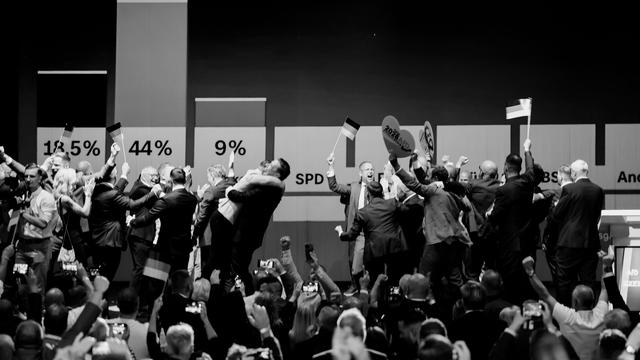
The CDU has been cut in half in Saxony-Anhalt, and the party founded by Konrad Adenauer, Helmut Kohl and Angela Merkel now looks defeated and demoralized. In September 2026, it won less than 18% in the state, half its result from the previous election.
The result also deepens the pressure on Friedrich Merz. His standing has suffered not only in the polls. He is losing elections and authority, while his reform efforts appear, above all, exhausting. The article argues that Merz’s CDU does not currently offer a compelling project or a fascinating political story.
That raises a more fundamental question: what is the CDU, and where is it going? In a difficult moment, the article suggests, the party may need to return to its beginnings. Only weeks after Nazi Germany was defeated by the Allies in May 1945, a group of Germans created a new political formation. They called it the Union rather than simply a party because they wanted to bring together Catholics and Protestants, northern and southern Germany, and social, liberal and conservative forces.
The founding appeal appeared in June 1945 as a legacy of “fighters of genuine democratic conviction.” Today, the article says, the party cannot rely on its firewall against the AfD alone. It must find another way to confront nationalists, with greater force and volume, while confronting the identity crisis exposed by the defeat in Saxony-Anhalt.
fighters of genuine democratic conviction
About this summary
Originally published by Die Zeit in German. Translated, summarized, and contextualized automatically by DistantNews, with a note on how the source frames the story. Not individually reviewed before publishing. How this works.
More Stories


From Our Blog

News in Translation: What Gets Lost, and How We Keep the Framing

The Same Story, Different Countries: How Coverage Changes at the Border

Diaspora Media: How Communities Follow News From Home

Traveling Where the Press Is Not Free: How to Read the News There

The Digital Nomad's Guide to Local News
