


The 'Delivery' Doctorate: Influencers Spark Debate Over Academic Credibility
Translated from Arabic and summarized by DistantNews. Read the original for the full story.
At a glance
News
Named sources
Context piece
- A debate has reignited over academic degrees obtained by social media influencers, questioning the credibility of some universities granting rapid titles.
- The Saudi Ministry of Education has regulations for external degree accreditation, requiring regular study, physical presence, and official accreditation, with full distance learning often not recognized.
- Experts warn that the phenomenon of fake degrees threatens scientific values, educational environments, and collective awareness, undermining genuine research and intellectual output.
The recent resurgence of debate surrounding 'delivery' doctorates, particularly those obtained by social media personalities, highlights a concerning trend in Saudi Arabia and beyond. While the allure of academic titles is understandable, especially in an era where online presence equates to influence, the integrity of higher education is at stake. Okaz has previously reported on the Ministry of Education's stringent requirements for accrediting foreign degrees, emphasizing the need for regular attendance and physical presence in the country of study. This stands in stark contrast to the rapid acquisition of degrees by some influencers, often through programs that bypass these established norms.
The issue is not about the right to education, but about the transformation of some academic titles into part of the 'digital image' that enhances presence and prestige on platforms, and the title 'Doctor' is sometimes used as a polishing tool more than a result of research and knowledge.
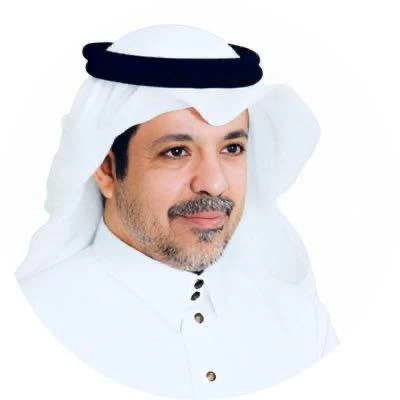
This issue transcends mere academic credentialing; it touches upon the very essence of intellectual pursuit and societal values. As thinkers like Dr. Abdullah Al-Ghamdi have argued, true human worth lies in genuine achievement and creativity, not in the mere possession of a title. The commodification of academic degrees risks devaluing the hard work of dedicated researchers and scholars, creating a false equivalence between substantive knowledge and superficial appearances. This trend can erode public trust in educational institutions and create a breeding ground for misinformation.
The academic degree does not make a person as much as their real achievement makes them.
Specialists warn that this phenomenon poses a direct threat to scientific integrity and the development of future generations. The ease with which some individuals appear to acquire prestigious degrees without rigorous study or research undermines the principles of academic honesty and fairness. It is imperative that we, as a society, uphold the value of genuine scholarship and critical thinking, ensuring that academic titles remain a testament to intellectual rigor and not merely a tool for social climbing or personal branding. The pursuit of knowledge must be anchored in substance, not spectacle.
The phenomenon of 'fake degrees' is a direct threat to the core of scientific integrity, as it leads to the dilution of strict academic standards and the replacement of real research effort with superficial title purchases.
About this summary
Originally published by Okaz in Arabic. Translated, summarized, and contextualized automatically by DistantNews, with a note on how the source frames the story. Not individually reviewed before publishing. How this works.
More Stories


From Our Blog

What Gets Lost (and Found) When News Is Translated

The Critical Role of Diaspora Media in Global News

What Travellers Should Know About Countries with Restricted Press

A Digital Nomad's Guide to Following Local News

How the Same Story Looks Different in Different Countries
