


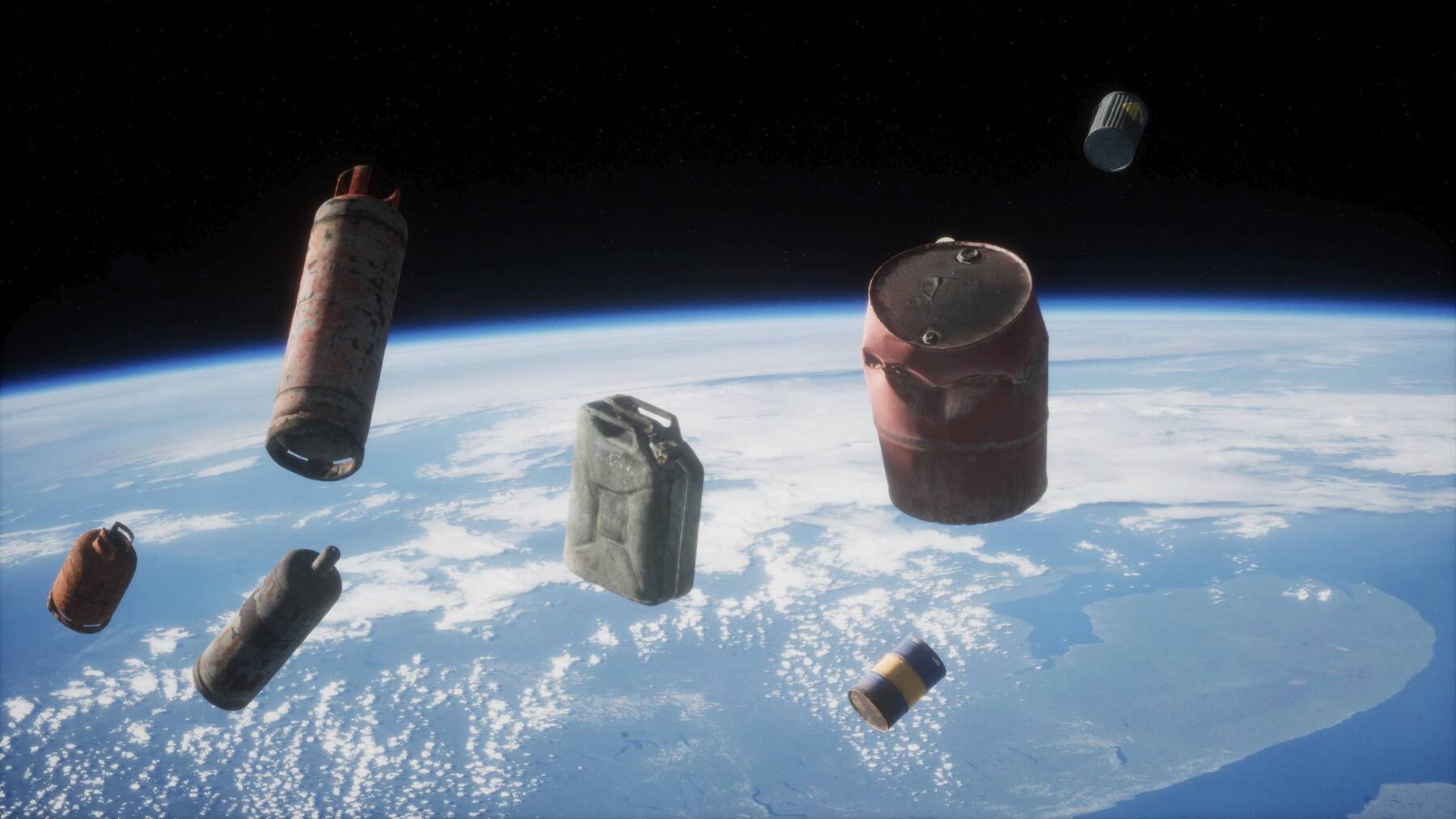
The garbage problem has already spread to outer space
Translated from German, summarized and contextualized by DistantNews.
At a glance
In-depth
Sources not specified
Context piece
- Austrian writer Stefan Schmitzer's new book "space waste" explores the theme of garbage and human-generated waste.
- The work uses alchemical imagery and a blend of language styles to depict a cycle of things, including waste that has reached space.
- Schmitzer incorporates elements of AI prompts and scientific language to comment on unchecked progress.
The pervasive issue of waste, which has long been a terrestrial problem, has now extended into outer space, a theme explored in Austrian writer Stefan Schmitzer's latest work, "space waste." The book delves into the traces humanity leaves behind, focusing not on technological relics but on the sheer volume of garbage accumulating on Earth and orbiting above.
Schmitzer employs a unique literary strategy, akin to artistic upcycling, to present a complex panorama of contemporary life. He intertwines the concept of waste with the imagery and thought processes of alchemy, revealing a grand cycle of existence. This approach allows him to transform the familiar quote by astronomer Carl Sagan about humans being made of stardust into a reflection on elements as byproducts of stellar combustion: "because · you also have to say what this hot we / STAR DUST be // item that hot is imagine all those HEAVY / ELEMENTS // item CARBON // NEON // BROMINE // CALCIUM // et cetera // that they are all COMBUSTION products // ASH // COMPACTED MATERIAL // SLAG // and indeed SLAG from which GLOW // in the STARS."
The book masterfully blends diverse linguistic forms and genres, ranging from technical jargon and science fiction to colloquialisms and classical allusions. Schmitzer suggests this multifaceted text is best experienced when read aloud. The narrative also incorporates seemingly absurd AI prompts and instructions found online, weaving them into the text to paint a picture of unbridled progress driven by mountains of waste.
"space waste" is structured with a main body followed by three appendices: "On Fly Breeding," "On the Topology of Channels," and "On Poets." These additions further expand on the book's exploration of cycles, systems, and the human condition in the face of overwhelming waste.
DistantNews Editorial
Originally published by Die Presse in German. Translated, summarized, and contextualized by our editorial team with added local perspective. Read our editorial standards.
More Stories



From Our Blog

What Gets Lost (and Found) When News Is Translated

The Critical Role of Diaspora Media in Global News

What Travellers Should Know About Countries with Restricted Press

A Digital Nomad's Guide to Following Local News

How the Same Story Looks Different in Different Countries
