


The Grandparent Effect: Nurturing Bonds, Boosting Well-being for All Generations
Translated from Spanish, summarized and contextualized by DistantNews.
TLDR
- Grandparents provide crucial emotional support and a unique bond for grandchildren, offering patience and understanding beyond that of parents.
- This intergenerational connection facilitates the transmission of wisdom, values, and family history, aiding children in forming their identity.
- The presence of grandparents also benefits them by providing a sense of purpose, reducing cognitive decline, and improving physical activity, thus enhancing overall well-being for both generations.
The profound impact of grandparents on the well-being of their grandchildren and the broader family structure is a cornerstone of healthy development, according to experts like psychologist Gilda Argueta and geriatrician Marcia Cabrera.
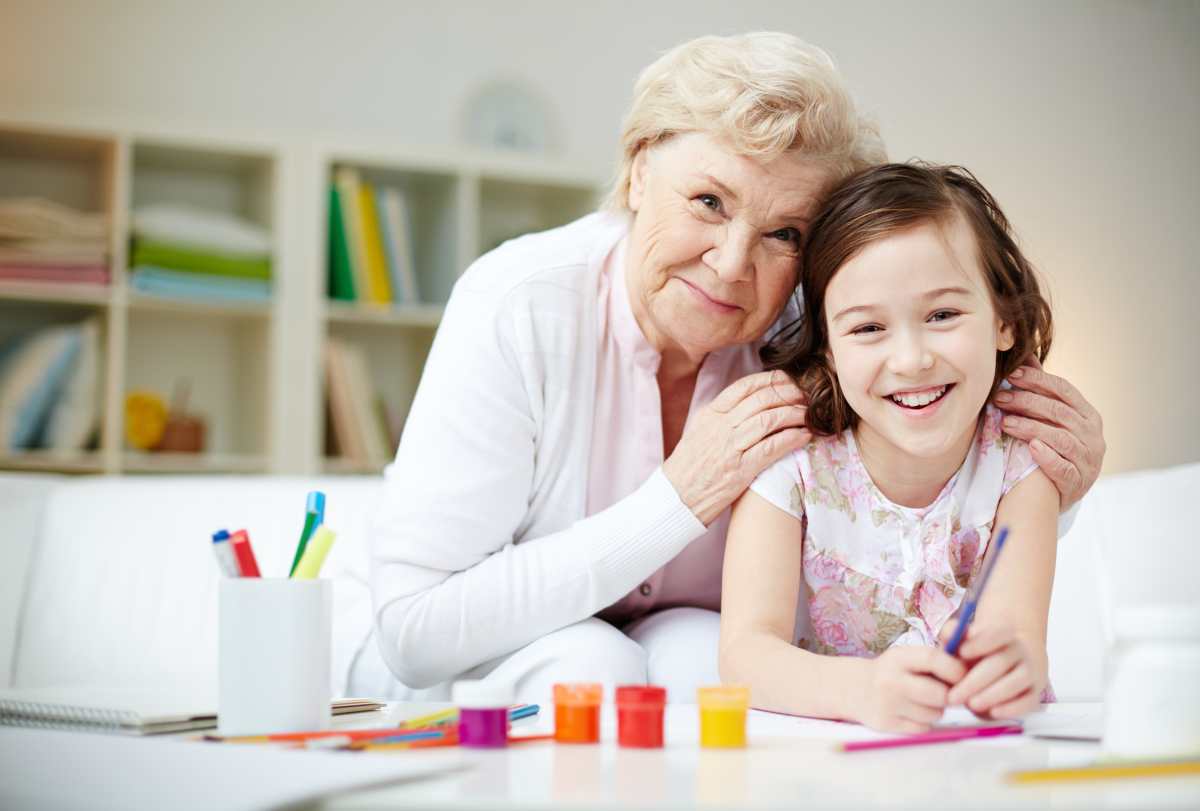
Grandparents, who are at the head of our lineage, become an emotional support for the family, especially for the grandchildren, with whom they can create very special bonds. Grandparents are more patient and understanding than parents themselves, which makes any grandchild, regardless of age, feel confident and free from the pressure of daily discipline, where enjoyment and affection are a priority.
Argueta emphasizes that grandparents act as the "emotional support for the family, especially for the grandchildren," fostering a unique bond characterized by patience and understanding. Unlike parents, who often navigate the complexities of daily discipline, grandparents provide a space where grandchildren can feel safe, free from pressure, and prioritize enjoyment and affection. This relationship is vital for transmitting life lessons, family traditions, and values, helping younger generations build a strong sense of identity and understand their roots.
Grandparents who have learned from all their experiences throughout their lives are even more emotionally stable, as they face any situation or difficulty that arises with greater wisdom, allowing the child to feel not only protected and safe, but also to learn to solve problems and process changes without losing their emotional stability.
Furthermore, grandparents, having weathered life's storms, often possess greater emotional stability and wisdom. Their presence reassures children, making them feel protected and secure. This environment not only helps children process changes and solve problems but also allows them to learn emotional resilience from their elders' experiences. The article highlights that grandparents, through their accumulated life experiences, become anchors of stability for the younger generation.
Sharing with grandchildren gives grandparents a 'sense of purpose,' which increases their sense of happiness and fulfillment.
Conversely, the benefits extend significantly to the grandparents themselves. Dr. Cabrera notes that interacting with grandchildren provides seniors with a "sense of purpose," boosting happiness and fulfillment. Scientific studies indicate that social isolation can lead to depression and cognitive decline in the elderly. Therefore, frequent engagement with grandchildren combats this by making seniors feel valued, heard, and useful. This renewed sense of purpose actively reduces cognitive deterioration and encourages greater physical activity, as grandparents are motivated to play, walk, and engage with their grandchildren, thereby improving their overall quality of life and autonomy.
It is widely described, even in scientific studies, that isolation in older people causes depression and increases cognitive decline. So, frequent sharing with their grandchildren gives meaning to their lives, because they feel taken into account again to share, for example, their life experiences. Their self-esteem increases when they feel heard and, above all, valued; they remember that they have much to contribute and feel useful again, which significantly reduces that cognitive decline.
DistantNews Editorial
Originally published by Prensa Libre in Spanish. Translated, summarized, and contextualized by our editorial team with added local perspective. Read our editorial standards.
More Stories


From Our Blog

What Gets Lost (and Found) When News Is Translated

The Critical Role of Diaspora Media in Global News

What Travellers Should Know About Countries with Restricted Press

A Digital Nomad's Guide to Following Local News

How the Same Story Looks Different in Different Countries
