


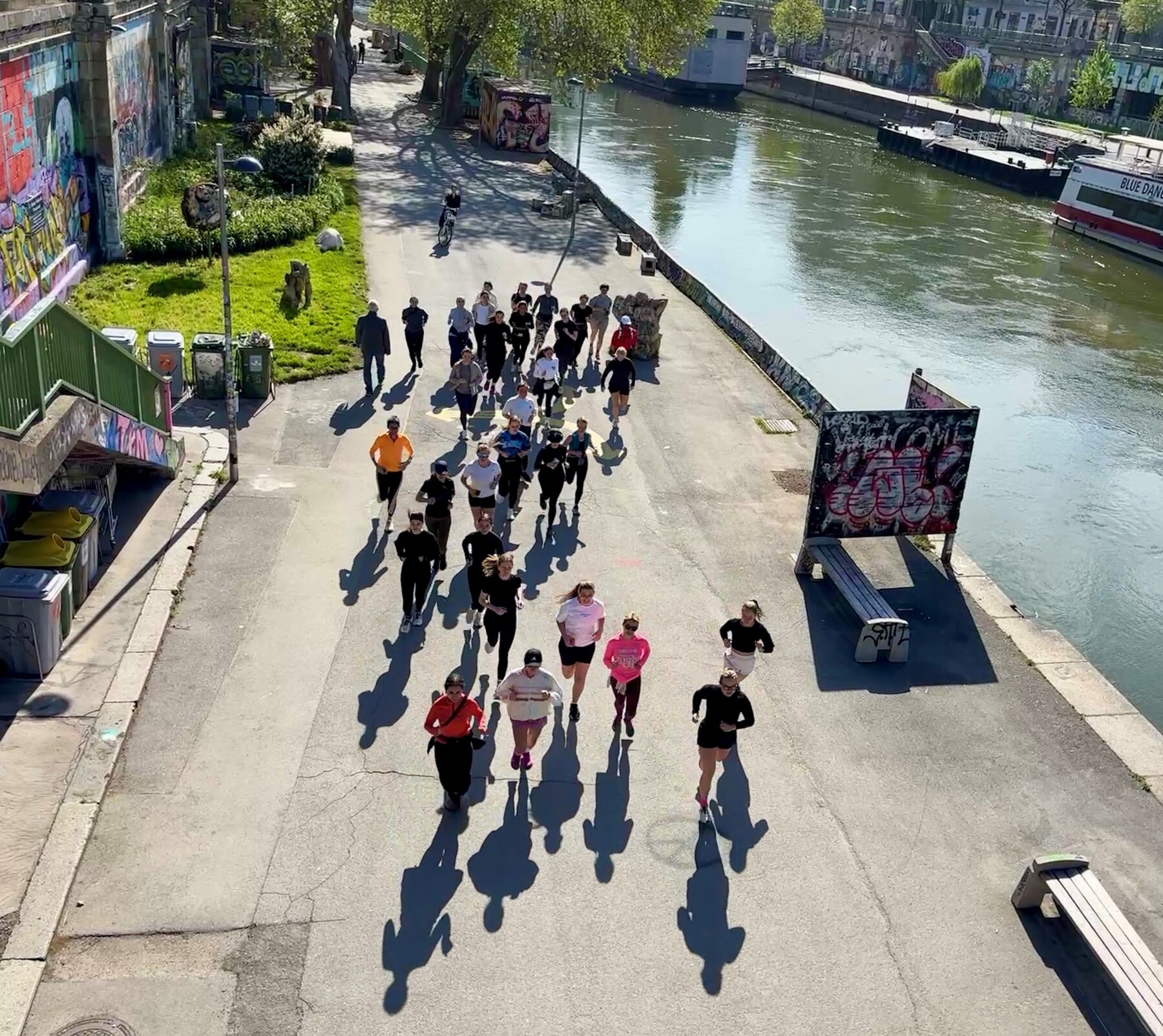
The Hype Around Zone 2 Training: Benefits and Limitations
Translated from German, summarized and contextualized by DistantNews.
At a glance
News
Sources not specified
Context piece
- Zone 2 training, characterized by low intensity and aerobic metabolism, is gaining popularity for improving endurance and fat burning.
- This training method can increase mitochondria, enhance muscle blood flow, and boost fat metabolism.
- While beneficial, experts caution that high-intensity training is also necessary for athletes to improve metabolic flexibility and anaerobic capacity.
Zone 2 training, a low-intensity aerobic exercise, is currently a buzzword in fitness circles, lauded for its potential to enhance endurance and promote fat metabolism. This training approach focuses on exercising within a specific heart rate range where the body primarily utilizes oxygen to convert energy sources like fats and carbohydrates.
The benefits of Zone 2 training are multifaceted. It is known to increase the number of mitochondria within muscle cells, which are crucial for cellular respiration and energy production. Furthermore, it improves blood flow to the muscles by increasing the density of capillaries and boosts the body's ability to store and utilize intramuscular fat as an energy reserve. The activity of enzymes involved in fat oxidation also sees a significant increase.
In endurance sports, a substantial portion of training, often around 80 percent, is typically dedicated to Zone 2, particularly in the foundational endurance training phases. This involves long, slow sessions with moderate intensity, aiming to build a robust aerobic base.
However, the question remains whether solely focusing on Zone 2 is sufficient, especially for performance athletes. Experts emphasize that higher intensities are also crucial. "We need to be able to shift gears in competitive situations and synthesize ATP (adenosine triphosphate) without the presence of oxygen, i.e., resort to anaerobic metabolism," explains Robert Csapo, Professor of Training Science at the University of Vienna. This metabolic flexibility, the ability to switch between aerobic and anaerobic energy systems, is only improved through incorporating higher intensity training. Therefore, while Zone 2 training builds a strong foundation, it must be complemented by other training methods to achieve peak performance.
DistantNews Editorial
Originally published by Die Presse in German. Translated, summarized, and contextualized by our editorial team with added local perspective. Read our editorial standards.
More Stories



From Our Blog

What Gets Lost (and Found) When News Is Translated

The Critical Role of Diaspora Media in Global News

What Travellers Should Know About Countries with Restricted Press

A Digital Nomad's Guide to Following Local News

How the Same Story Looks Different in Different Countries
