


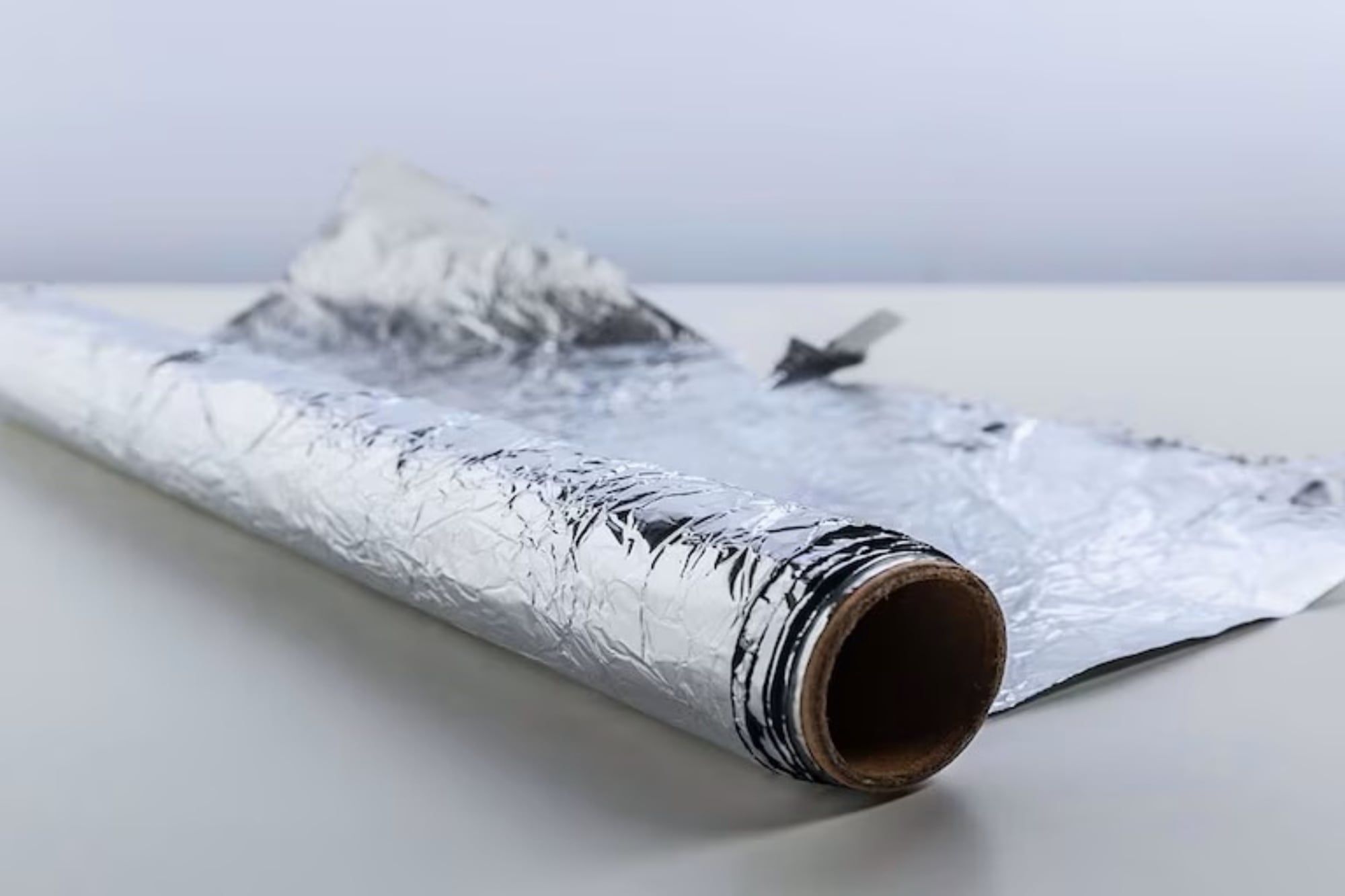
The infallible aluminum foil method to combat humidity
Translated from Spanish, summarized and contextualized by DistantNews.
TLDR
- A simple test using aluminum foil can help identify hidden moisture problems in homes.
- Covering a damaged wall section with foil for 24-48 hours will reveal condensation if there is a leak.
- Early detection of moisture is crucial to prevent structural damage and costly repairs.
In Argentina, dealing with household humidity is a persistent challenge that architects and homeowners alike grapple with. Condensation and leaks can lead to significant structural deterioration, demanding prompt attention. While there's no magic bullet, a clever and accessible technique using aluminum foil has emerged as a practical tool for early detection.
Although there are no magic formulas to avoid this problem, construction specialists have developed an effective technique with aluminum foil to identify the presence of water before the situation worsens.
This method, leveraging a common kitchen item, transforms aluminum foil into an unlikely ally against hidden water infiltration. By carefully sealing a suspected damp area of a wall with foil and tape, residents can monitor for condensation over a couple of days. The appearance of moisture beneath the foil serves as a clear indicator of a leak, prompting the need for professional assessment and repair.
The process is simple: the person must delimit a damaged area of the wall and cover it with a piece of aluminum foil.
The effectiveness of this low-cost diagnostic lies in its ability to provide a timely warning. Catching a moisture problem early prevents it from spreading, safeguarding the property's integrity and avoiding the extensive damage that can accumulate over time. This simple yet ingenious approach empowers homeowners to take proactive steps in maintaining their homes against the pervasive threat of humidity.
If after this period condensation appears under the metal, the phenomenon confirms the existence of water in the material or on the superficial layer of the wall.
DistantNews Editorial
Originally published by La Nación in Spanish. Translated, summarized, and contextualized by our editorial team with added local perspective. Read our editorial standards.
More Stories



From Our Blog

What Gets Lost (and Found) When News Is Translated

The Critical Role of Diaspora Media in Global News

What Travellers Should Know About Countries with Restricted Press

A Digital Nomad's Guide to Following Local News

How the Same Story Looks Different in Different Countries
