


The 'Instagram Effect' Has a Dark Side: This Weekend's Tatra Mountain Siege Shows Why
Translated from Polish, summarized and contextualized by DistantNews.
At a glance
News
Sources not specified
Outcome reported
- A viral social media post highlighted extreme overcrowding on Tatra Mountain trails, sparking debate about visitor limits.
- The "Instagram effect" drives young people to seek scenic spots, sometimes ignoring safety and weather conditions.
- Increased accidents among young hikers in the UK and Alps are linked to this trend, with unprepared individuals facing dangerous conditions.
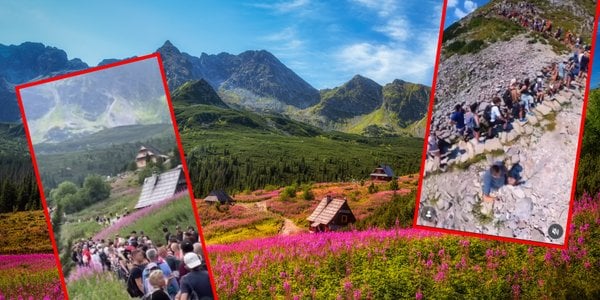
Recent viral videos from the Tatra Mountains, shared widely on Instagram and Facebook by the "Tatry" profile, have exposed the severe overcrowding on popular trails. The footage shows long queues of tourists and packed viewing points, prompting a heated online discussion about the scale of the issue and the need for potential visitor limits in national parks.
While some internet users expressed outrage, comparing the Tatras to a crowded shopping mall and lamenting the loss of tranquility, others defended the high visitor numbers. They argued that the surge in active tourism demonstrates a societal desire for outdoor activity over sedentary screen time. Experienced mountaineers suggest an early morning start to avoid the throngs.
The trend is particularly pronounced among Generation Z, who are increasingly drawn to mountains by platforms like Instagram, TikTok, and apps like AllTrails. These platforms simplify route discovery and quickly disseminate visually appealing content, inspiring young people globally. The "Instagram effect" encourages the pursuit of spectacular photos, sometimes at the expense of common sense.
Experts note the "dark side" of this phenomenon. Ludovic Richard from the French mountain safety observatory points out that young hikers, inspired by striking images, may underestimate risks like rapidly changing weather, frost, and difficult terrain. Statistics from rescue services in the UK, USA, and Alpine countries show a significant rise in accidents among individuals aged 17-25. In Scotland, accidents involving this age group have nearly quadrupled since 2022, making them a quarter of all rescued hikers. Similar incidents occur in Poland, with tourists sometimes attempting challenging hikes in inadequate clothing and footwear during extreme cold.
DistantNews Editorial
Originally published by Rzeczpospolita in Polish. Translated, summarized, and contextualized by our editorial team with added local perspective. Read our editorial standards.
More Stories

From Our Blog

What Gets Lost (and Found) When News Is Translated

The Critical Role of Diaspora Media in Global News

What Travellers Should Know About Countries with Restricted Press

A Digital Nomad's Guide to Following Local News

How the Same Story Looks Different in Different Countries
