


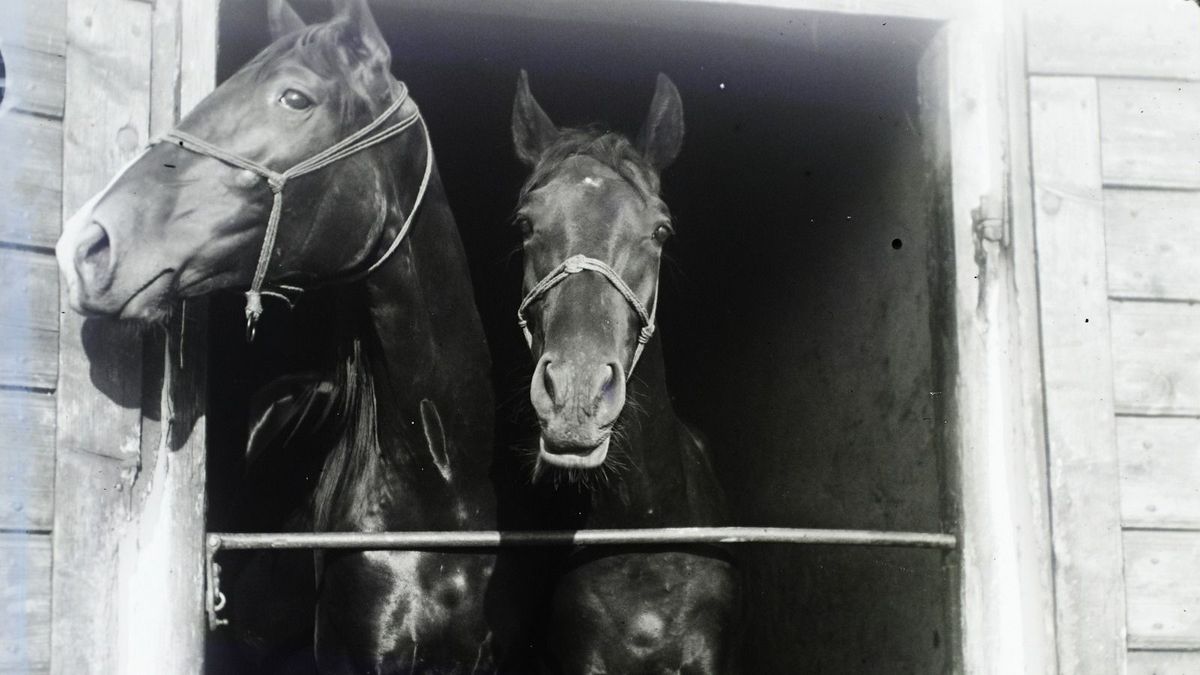
The Meat Hungarians Now Disdain—Yet Once Lined Up For
Translated from Hungarian, summarized and contextualized by DistantNews.
TLDR
- Horse meat, once scorned, became a popular and affordable food source in Budapest over a century ago.
- The shift occurred as horses became obsolete in urban life, leading to a surplus of animals that found a new purpose on dinner plates.
- Initially met with ridicule, the idea of consuming horse meat gained traction due to rising meat prices and scarcity, eventually leading to public acceptance and demand.
Magyar Nemzet, a publication deeply rooted in Hungarian heritage, explores a fascinating chapter of our culinary history: the rise and fall of horse meat consumption.
What if we went to a butcher today and asked for horse meat? There would probably be a stunned silence in response.
It's a story that, for many Hungarians today, might seem bizarre, even repulsive. The thought of walking into a butcher shop and asking for horse meat would likely be met with confusion, if not disgust. Yet, as this article reveals, a mere century ago, Budapest's residents were not only accepting of horse meat but actively sought it out, flocking to shops when it became legally available.
This transformation from a despised foodstuff to a sought-after commodity is a testament to the practicalities that can shape our tastes and traditions. The article highlights how economic factors, specifically the rising cost of traditional meats and the surplus of working horses no longer needed in an increasingly industrialized society, drove this culinary shift. What was once considered fit only for the poor or for processing into products like sausage, as evidenced by the cynical saying "it'll do for sausage," became a viable and even praised alternative.
The 20th-century cookbook would not be complete if it omitted horse meat.
We delve into the work of figures like Károly Monostori, an veterinary academic and animal welfare advocate, who, despite facing mockery in the press, championed horse meat as an affordable and nutritious option in the late 19th century. His efforts, coupled with the harsh realities of meat scarcity, gradually chipped away at public prejudice. By the early 20th century, as documented in the Pesti Hírlap, horse meat was being lauded for its nutritional value and economic benefits, even finding its way into the esteemed '20th-century cookbook.'
The horse's head, legs, and internal organs are not typically used, but the horse's intestine is eagerly sought after by some salami manufacturers, as it has greater tensile strength than beef intestine.
Magyar Nemzet finds this historical arc particularly resonant. It reminds us that what we consider taboo or undesirable can change dramatically with time and circumstance. The story of horse meat in Hungary is not just about food; it's about adaptation, economics, and the evolving perceptions that shape a nation's palate. It’s a uniquely Hungarian narrative, reflecting a period of significant social and technological change, and it offers a compelling look at how necessity can overcome deeply ingrained cultural attitudes.
Never mind, it'll do for sausage.
DistantNews Editorial
Originally published by Magyar Nemzet in Hungarian. Translated, summarized, and contextualized by our editorial team with added local perspective. Read our editorial standards.
More Stories


From Our Blog

Countries Without a Free Press: What You Need to Know

What Press Freedom Means for the News You Read

What Gets Lost (and Found) When News Is Translated

The Critical Role of Diaspora Media in Global News

What Travellers Should Know About Countries with Restricted Press
