


The Night That Changed Turkey: Ten Years Since the July 15 Coup and the Birth of a New Political Era
Translated from Greek, summarized and contextualized by DistantNews.
At a glance
In-depth
Sources not specified
Context piece
- Turkey marks the tenth anniversary of the July 15, 2016, failed coup attempt that tested the nation's cohesion.
- The event reshaped institutions, redefined civil-military relations, and ushered in a new political era, viewed as a triumph of popular will by supporters and the start of increased power concentration by critics.
- The coup attempt, which resulted in 253 deaths and over 2,700 injuries, is now a central element of national memory, symbolizing resistance to military intervention and marking a turning point in the country's political balance.
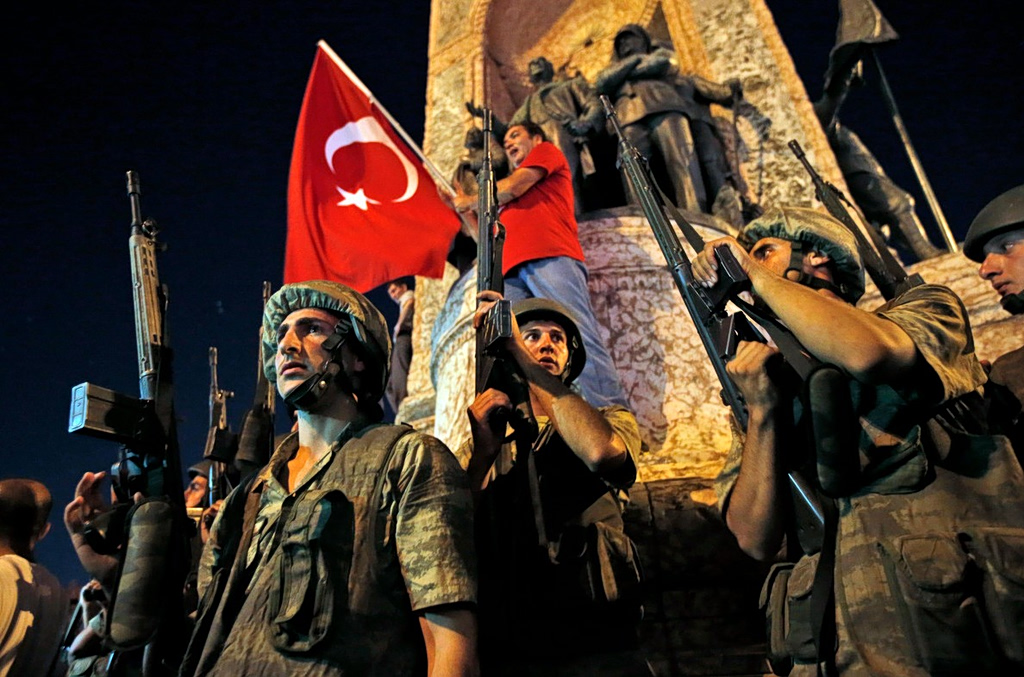
Ten years ago, on July 15, 2016, Turkey faced a night that threatened the very fabric of its state. A failed coup attempt by factions within the armed forces did not unseat President Recep Tayyip Erdoğan, but it irrevocably ended one era and began another, profoundly transformed.
The night of July 15, 2016, remains etched in Turkey's collective memory as the night the very cohesion of the state was tested.
The country still lives under the heavy shadow of those hours. The event reshaped institutions, redefined the relationship between the military and political power, and determined Turkey's new identity. For Erdoğan's supporters, the night was a triumph of the popular will; for his critics, it marked the beginning of an era of increased power concentration.
It began shortly after 10 p.m. as reports of military movements emerged from Istanbul and Ankara. Initially, many citizens believed it was just another crisis in a country with a history of military interventions. Soon, however, it became clear an organized power grab was underway. Military units seized strategic points, tanks blocked bridges, and fighter jets flew over Ankara. The parliament and presidential palace were targeted by airstrikes, with the Grand National Assembly building repeatedly bombed.
The failed coup attempt by factions within the armed forces did not unseat President Recep Tayyip Erdoğan, but it irrevocably ended one era and began another, profoundly transformed.
Plotters seized state television TRT, announcing they had taken control and aimed to "restore constitutional order." For a few hours, Turkey teetered on the brink of new military rule. President Erdoğan, on vacation in Marmaris, was alerted to the events. According to the government's account, soldiers attempted to raid his hotel to arrest or eliminate him, but he left shortly before they arrived. A pivotal moment came when he appeared via FaceTime, urging citizens to take to the streets and resist. His image speaking from a mobile phone became a symbol of the digital age.
For Erdoğan's supporters, the night was a triumph of the popular will; for his critics, it marked the beginning of an era of increased power concentration.
Thousands of citizens responded, flooding squares with Turkish flags. Police resistance and the stance of the military leadership led to the rebellion's collapse within 24 hours. Official figures state 253 people were killed and over 2,700 injured. The government presented the victims as "martyrs of democracy" and established the anniversary as a central element of national memory. July 15 became a symbol of resistance against military intervention and a turning point for the country's political balance. From the outset, the government accused Fethullah Gülen's movement of organizing the attempt. Gülen, an Islamist preacher living in the U.S., had previously been an ally of Erdoğan.
His image speaking from a mobile phone became a symbol of the digital age.
DistantNews Editorial
Originally published by Ta Nea in Greek. Translated, summarized, and contextualized by our editorial team with added local perspective. Read our editorial standards.
More Stories
From Our Blog

What Gets Lost (and Found) When News Is Translated

The Critical Role of Diaspora Media in Global News

What Travellers Should Know About Countries with Restricted Press

A Digital Nomad's Guide to Following Local News

How the Same Story Looks Different in Different Countries
