

The PLA at 99: How China's Military Evolved from Ragtag Rifles to World-Class Force
Translated from English, summarized and contextualized by DistantNews.
At a glance
In-depth
Named sources
Context piece
- The People's Liberation Army (PLA) is marking its 99th anniversary, one year from its centenary goals.
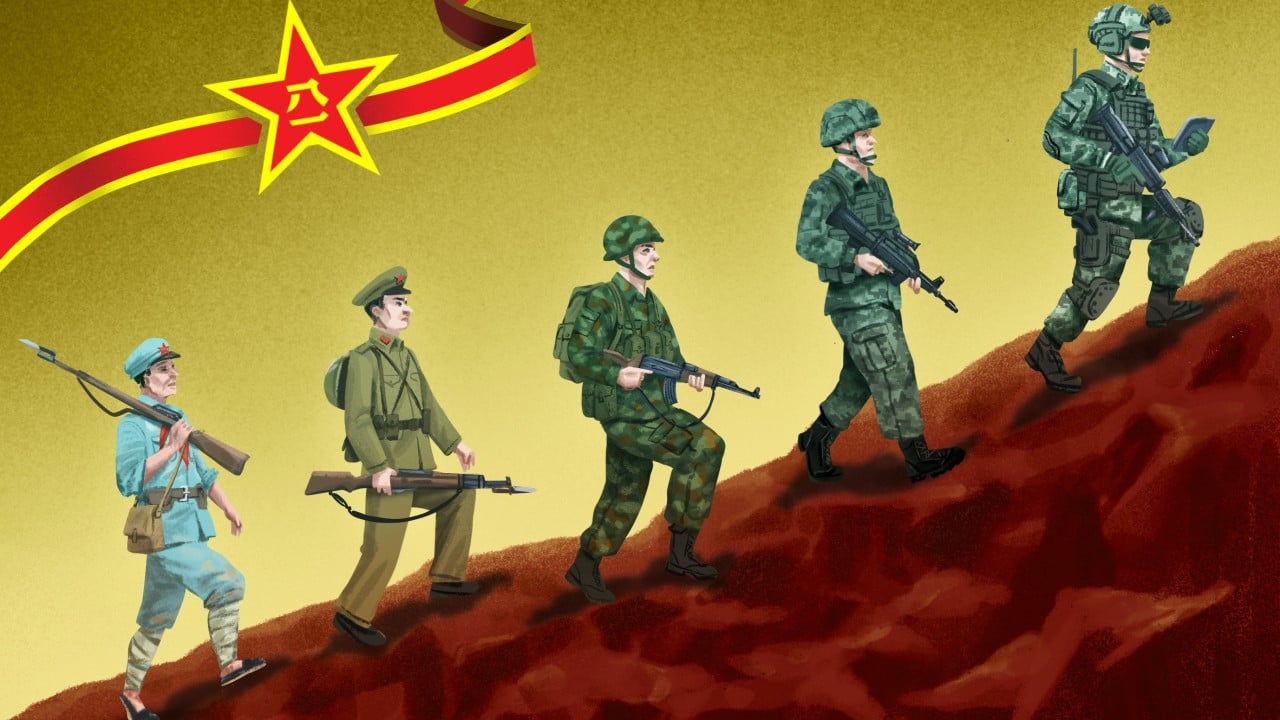
- The article traces the PLA's evolution from its early days of guerrilla warfare with limited resources to its current status as a world-class military.
- It highlights the challenges faced by early Red Army units, including lack of training and equipment shortages.
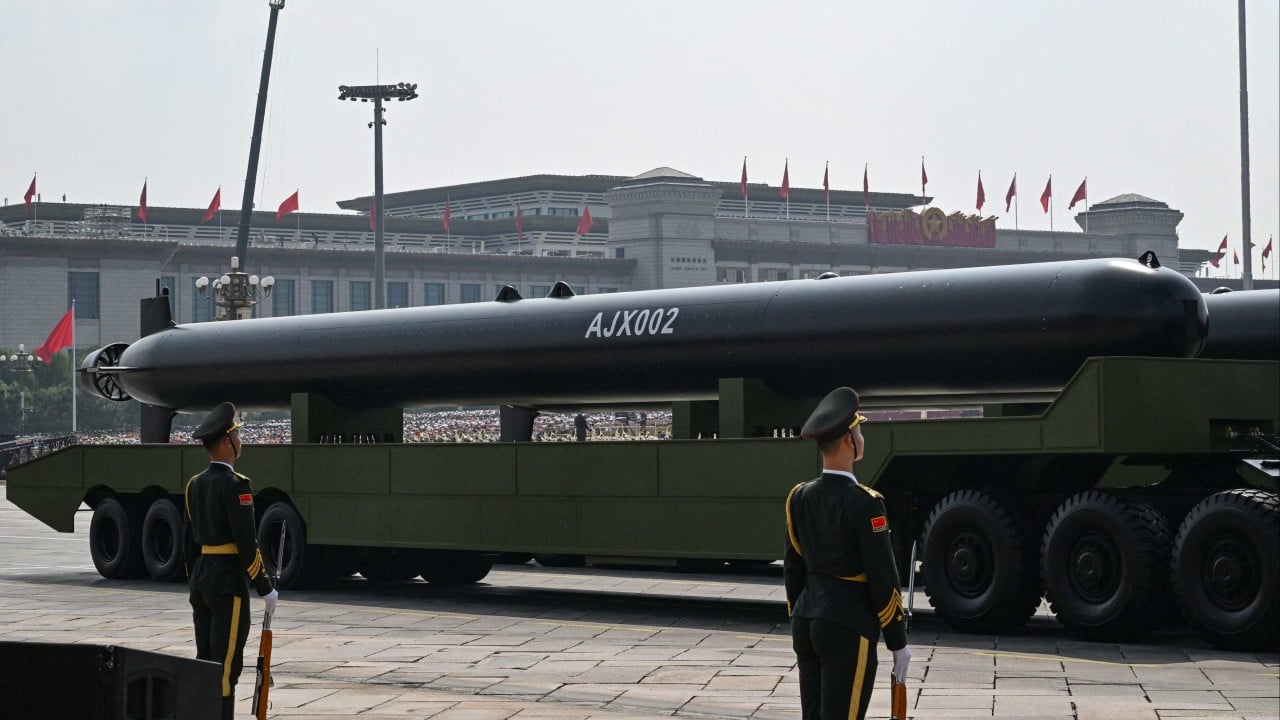
As the People's Liberation Army (PLA) approaches its 99th anniversary on August 1, and with one year remaining to meet its centenary goals, its transformation underscores the past, present, and future of China's military strategy. This article examines the PLA's development from its roots in guerrilla warfare to its current standing as a high-tech, world-class force.
In April 1932, an 18-year-old Xi Zhongxun led the newly formed Fifth Detachment of the Red Army's Shaanxi-Gansu Guerrilla Force. Reorganized from a mutinous battalion of the local warlord's Northwest Army, this unit of 200 soldiers struggled with basic necessities. According to historical accounts, they lacked adequate training and were equipped with a mix of outdated bolt-action rifles and a few machine guns, with no artillery support.
Despite the Communist Party's efforts to instill discipline and morale through political work, the troops faced persistent and worsening shortages of clothing, footwear, food, and ammunition. These logistical difficulties ultimately proved insurmountable. Exhausted and depleted of supplies, the unit was overwhelmed by local bandits and forced to disperse.
More than eight decades later, Xi Jinping, Xi Zhongxun's son, assumed command of the PLA. He has since pledged to transform the military into a "world-class military" by the middle of this century, reflecting a dramatic shift from the struggles of its early days.
DistantNews Editorial
Originally published by South China Morning Post in English. Translated, summarized, and contextualized by our editorial team with added local perspective. Read our editorial standards.
More Stories
From Our Blog

Countries Without a Free Press: What You Need to Know

What Press Freedom Means for the News You Read

What Gets Lost (and Found) When News Is Translated

The Critical Role of Diaspora Media in Global News

What Travellers Should Know About Countries with Restricted Press
