

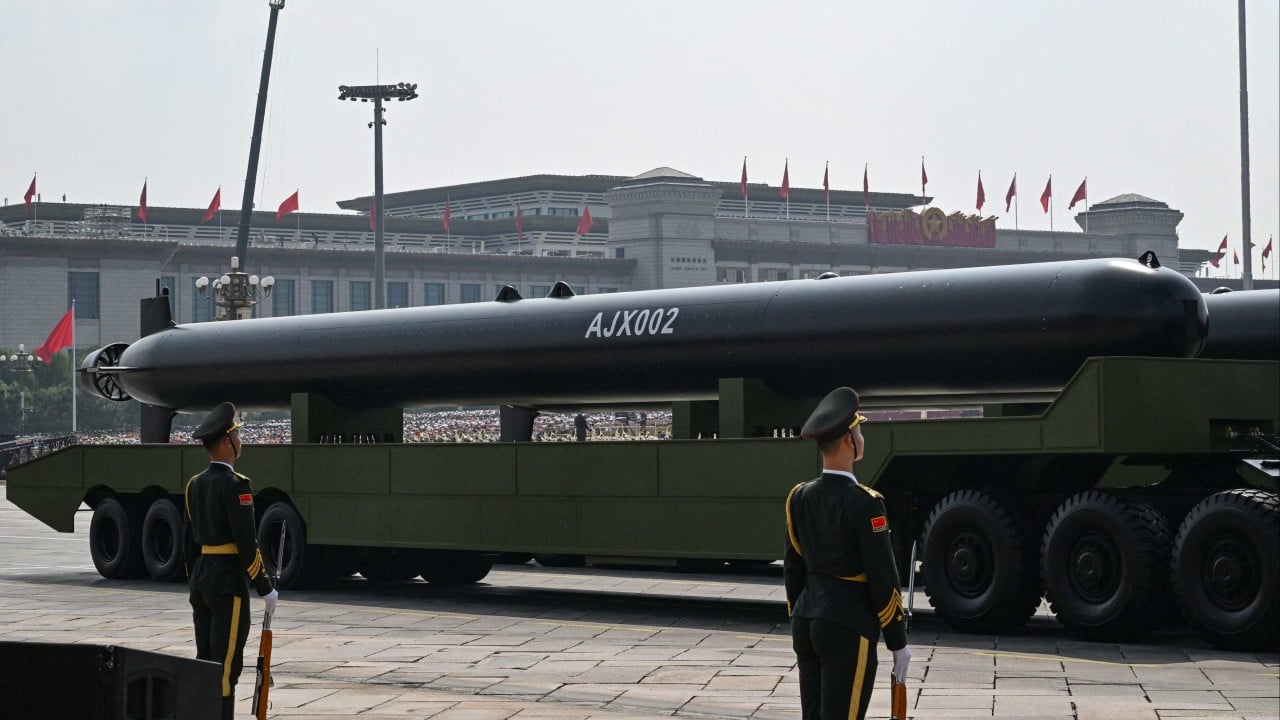
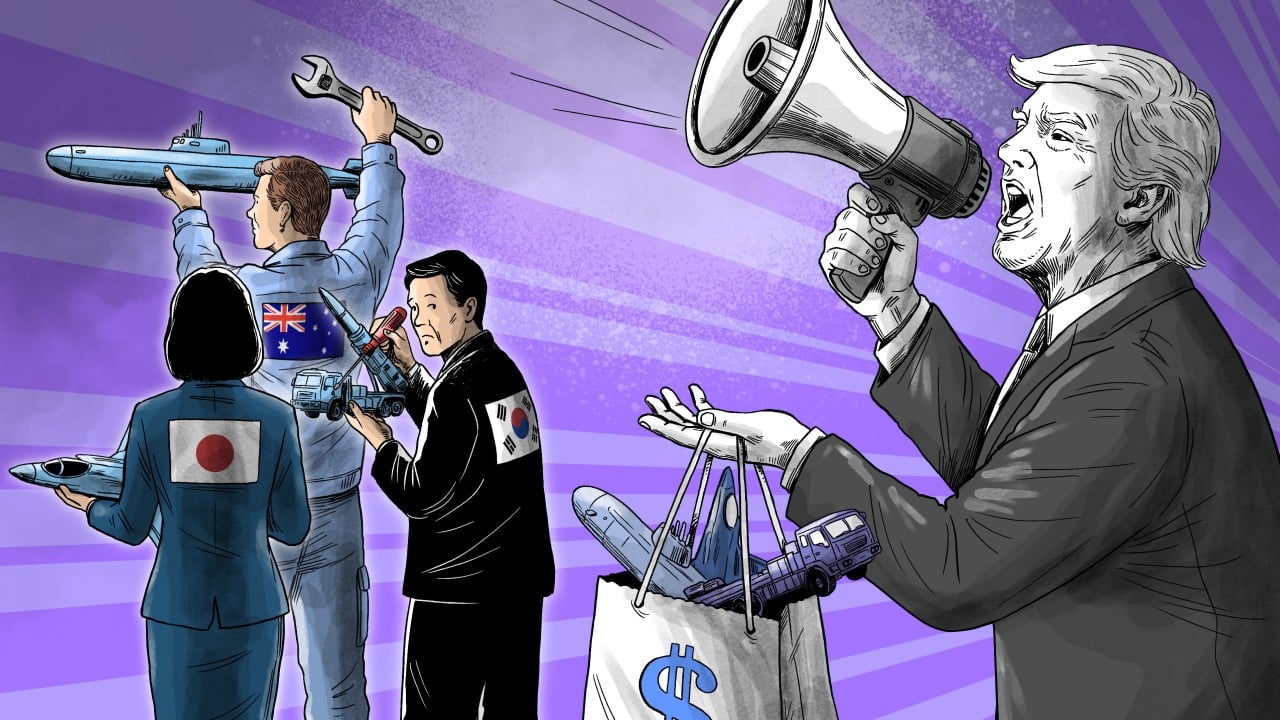
Trump's demand for higher defense spending by allies may backfire on US, analysts say
Translated from English, summarized and contextualized by DistantNews.
At a glance
News
Sources not specified
Context piece
- Donald Trump urged Asia-Pacific allies to increase defense spending, raising concerns about U.S. commitment.
- Allies are increasingly focusing on developing their own defense industries in response to perceived U.S. unreliability.
- This shift could potentially weaken American dominance in the global arms trade, according to analysts.
Former President Donald Trump's calls for Asia-Pacific allies to shoulder more of their defense costs are prompting a strategic reevaluation among regional powers. His demands have intensified questions about the reliability of U.S. security guarantees against threats from China and North Korea. In response, nations in the region are increasingly prioritizing the development of their own defense industries. Analysts suggest this growing self-reliance, while addressing immediate security concerns, could paradoxically diminish American influence in the global arms market over time. The National Security Strategy document released by the U.S. has also fueled these discussions, highlighting a potential shift in American foreign policy priorities. This evolving landscape forces allies to balance their immediate security needs with long-term strategic autonomy, potentially altering the established military-economic order.
DistantNews Editorial
Originally published by South China Morning Post in English. Translated, summarized, and contextualized by our editorial team with added local perspective. Read our editorial standards.
More Stories
From Our Blog

Countries Without a Free Press: What You Need to Know

What Press Freedom Means for the News You Read

What Gets Lost (and Found) When News Is Translated

The Critical Role of Diaspora Media in Global News

What Travellers Should Know About Countries with Restricted Press
