


The 'screamer' Rienzi has no future in Bayreuth
Translated from German, summarized and contextualized by DistantNews.
At a glance
In-depth
Sources not specified
Context piece
- The Bayreuth Festival's premiere of Wagner's "Rienzi" received enthusiastic applause, but the opera itself is controversial due to its historical use by the Nazis.
- The opera is considered a "stop-and-go" work, unlike Wagner's later through-composed pieces, and has often been cut for performance.
- The Bayreuth production included a ballet sequence and a miniature replica of the festival theater, which added length but provided comic relief.
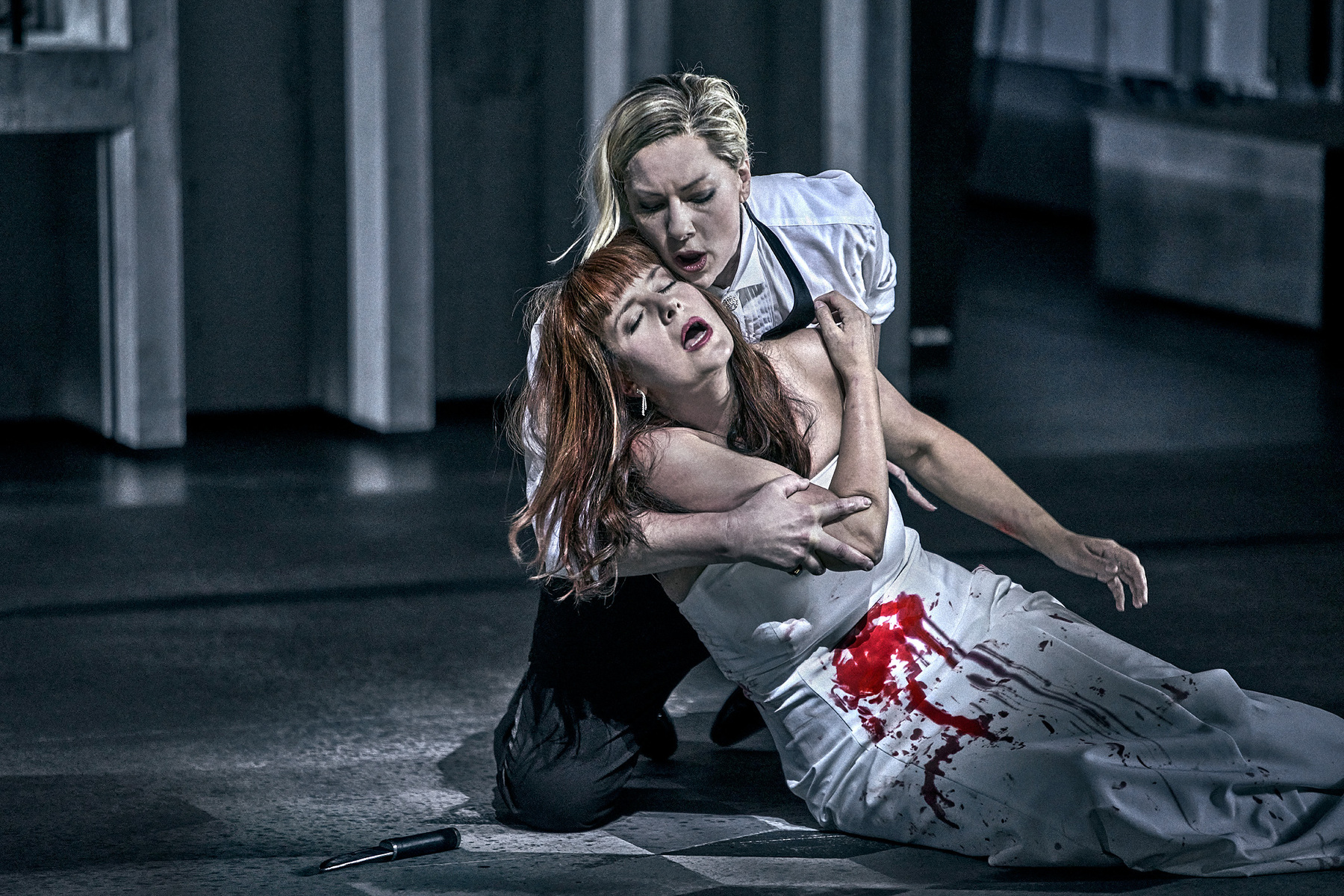
The Bayreuth Festival's premiere of Richard Wagner's "Rienzi" was met with thunderous applause and cheers, celebrating not just a new staging but the opera itself. Wagner's early success, "Rienzi," is recognized for showing the nascent signs of his mature style, and its overture remains a popular concert piece.
However, the opera carries a heavy historical burden. It was frequently used by the Nazis, and Adolf Hitler was known to be fond of it. Winifred Wagner, the composer's daughter-in-law and a close confidante of Hitler, gifted him the score for his birthday. This association has led some to feel a sense of relief that the opera, along with its former owner, was destroyed in the bombing of Berlin.
"Rienzi" is characterized as a "stop-and-go" work, distinct from Wagner's later, more fluidly composed operas. It features numerous abrupt changes and elements reminiscent of French five-act grand opera, a style Wagner later disavowed. The opera's structure often required cuts, even during Wagner's own attempts to stage it, sometimes spread over two evenings.
The Bayreuth production, tasked with assembling a playable version from various conflicting drafts for the festival's 150th anniversary, was notably generous. It even incorporated the ballet music, which Wagner himself had not originally included, adding another half-hour to the performance and pushing the runtime to two hours before the first intermission.
Despite the opera's length and controversial past, the staging by Alexandra Szemerédy and Magdolna Parditka introduced a creative element with the ballet music. This segment featured a miniature Bayreuth Festival theater rising from the stage, where scenes from canonical Bayreuth operas were reenacted in a naive, historical style. The onstage chorus mimicked the audience, reacting with "boos" and "ahs" to the baroque sets and running heroes, subtly referencing past Bayreuth productions. This interlude elicited chuckles from the actual audience, providing a welcome diversion. The final scene depicted the festival theater again, this time abandoned and bombed, a brief nod to the opera's tragic end.
DistantNews Editorial
Originally published by Die Presse in German. Translated, summarized, and contextualized by our editorial team with added local perspective. Read our editorial standards.
More Stories

From Our Blog

What Gets Lost (and Found) When News Is Translated

The Critical Role of Diaspora Media in Global News

What Travellers Should Know About Countries with Restricted Press

A Digital Nomad's Guide to Following Local News

How the Same Story Looks Different in Different Countries
