



The slippery slope of executive overreach
Summarized by DistantNews. Read the original for the full story.
At a glance
Analysis
Sources not specified
Context piece
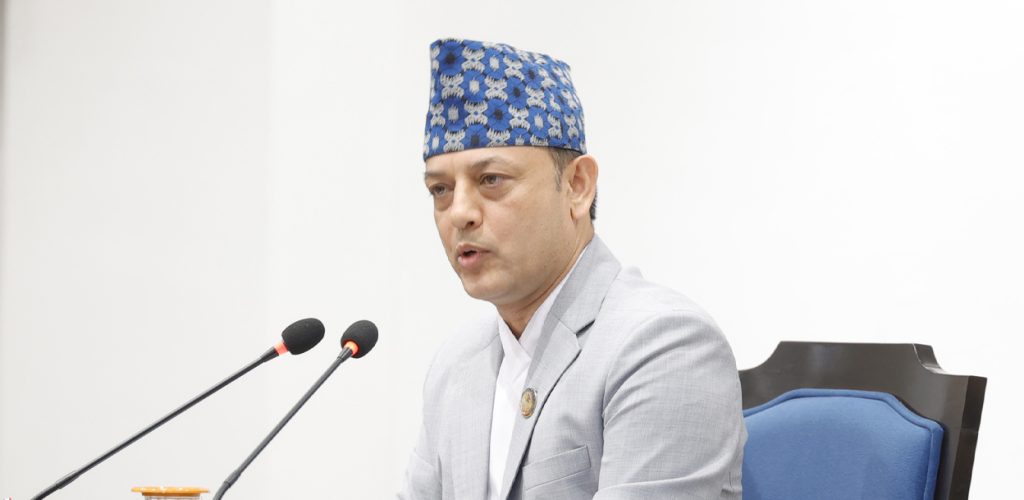
- Prime Minister Balendra Shah's prolonged absence from parliament is causing concern among opposition parties and even within his own Rastriya Swatantra Party (RSP).
- Critics argue that Shah's disregard for parliamentary norms and his desire to rule by ordinances undermine Nepal's parliamentary democracy and accountability systems.
- The prime minister's actions set a dangerous precedent, potentially leading to increased tensions between him and his party, and weakening the legislative branch of government.
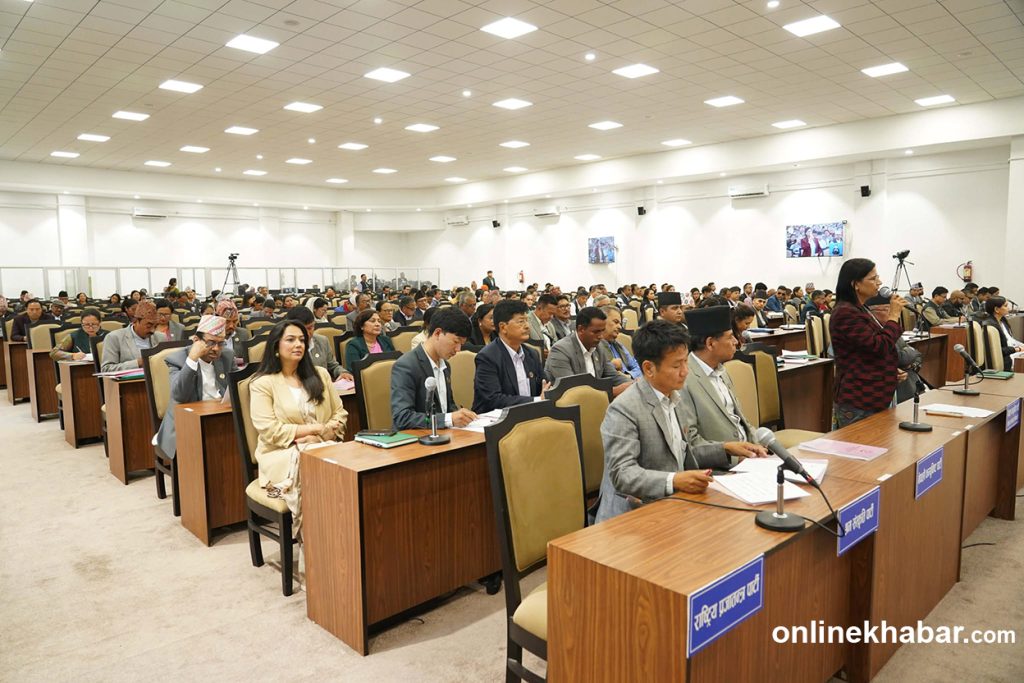
Prime Minister Balendra Shah's sustained absence from parliamentary proceedings is increasingly drawing criticism, not only from opposition parties but also from within his own ruling Rastriya Swatantra Party (RSP). Lawmakers from the RSP have publicly voiced concerns, with some warning that Nepal's democracy is adopting an 'accountability deficit' reminiscent of the 'Pakistan model.'
Nepali democracy is embracing the ‘Pakistan model’, in terms of the executive’s lack of accountability to the legislative.
In Nepal's parliamentary system, the prime minister is directly accountable to parliament, as they are chosen by it rather than directly elected. Prime Minister Shah's actions, including a perceived desire to govern through ordinances and a general disregard for parliamentary conventions, suggest he views himself as not answerable to the legislature. The Speaker of the House, DP Aryal, appears to be in a difficult position, as his repeated requests for the prime minister's presence have been ignored.
This undermining of the legislative branch carries significant consequences for both the RSP and Nepal's democratic framework. Prime Minister Shah, as the parliamentary party leader of the largest party in the federal lower house, often relies on a close circle of advisors. Parliament serves as a crucial venue for RSP lawmakers to voice the concerns of their constituents and communicate with the prime minister. When this channel is blocked, it thwarts their representative efforts and is likely to foster internal tensions within the party.
The prime minister has held parliament hostage to his whims.
Beyond internal party dynamics, Shah's approach sets a perilous precedent. A prime minister who is not answerable to the people's elected representatives is, in effect, not answerable to anyone. While Shah's supporters argue that his proxy adequately represents him in the House, this is not how parliamentary democracy functions globally. If the prime minister finds the parliamentary system untenable, the constitution allows for amendments, but this requires sufficient political strength and a commitment to due process, which his current actions seem to bypass.
Practically, if the prime minister is not answerable to the people’s representatives, he is not answerable to anyone.
About this summary
Originally published by Kathmandu Post. Summarized and contextualized automatically by DistantNews, with a note on how the source frames the story. Not individually reviewed before publishing. How this works.
More Stories

From Our Blog

News in Translation: What Gets Lost, and How We Keep the Framing

Diaspora Media: How Communities Abroad Follow Home

Traveling Where the Press Is Not Free: How to Read the News There

The Digital Nomad's Guide to Local News

The Same Story, Different Countries: How Coverage Changes at the Border
