


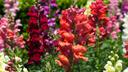
The Snapdragon: A flower children adore for its puppet-like blooms
Translated from Croatian, summarized and contextualized by DistantNews.
At a glance
In-depth
Sources not specified
Context piece
- The snapdragon flower (Antirrhinum majus) is popular with children due to its unique mechanism that makes it appear to open and close like a mouth.
- Native to southern Europe and North Africa, snapdragons are now common garden plants, available in various colors and heights.
- They are easy to grow from seed, preferring sunny locations and moderate watering, and bloom throughout the warmer months.
The snapdragon flower, known scientifically as Antirrhinum majus, captivates gardeners, especially children, with its unique interactive feature: its blooms open like little mouths when gently squeezed from the sides.
This playful characteristic has made the snapdragon a garden favorite, often resembling a small puppet show for young observers. Its common name, 'snapdragon,' directly reflects this peculiar mouth-like opening. In some regions, it is also referred to as 'frog' or 'little frog' due to its appearance.
Originating from southern Europe and North Africa, snapdragons are now widely cultivated annual garden plants. Depending on the variety, they can grow between 20 to 30 centimeters tall. Their versatility in color, ranging from yellow and orange to red and white, with some bi-colored options, allows them to easily integrate into diverse garden designs. The flowers appear throughout most of the warmer part of the year, often forming dense clusters that draw the eye.
Cultivating snapdragons from seed is straightforward. Sowing is best done in late winter or early spring, from mid-February to March, ideally at temperatures between 15 and 20 degrees Celsius. Once the seedlings are strong enough and weather permits, they can be transplanted outdoors, typically from late April to mid-May.
Snapdragons thrive in sunny locations but can also tolerate light shade. When planting, spacing them about 20 to 25 centimeters apart ensures adequate room for growth and allows their colorful blooms to stand out. Consistent watering is essential to keep the soil moderately moist. While additional feeding isn't strictly necessary in nutrient-rich soil, fertilizing every two weeks can encourage more vigorous growth and abundant flowering.
DistantNews Editorial
Originally published by Večernji List in Croatian. Translated, summarized, and contextualized by our editorial team with added local perspective. Read our editorial standards.
More Stories



From Our Blog

What Gets Lost (and Found) When News Is Translated

The Critical Role of Diaspora Media in Global News

What Travellers Should Know About Countries with Restricted Press

A Digital Nomad's Guide to Following Local News

How the Same Story Looks Different in Different Countries
