


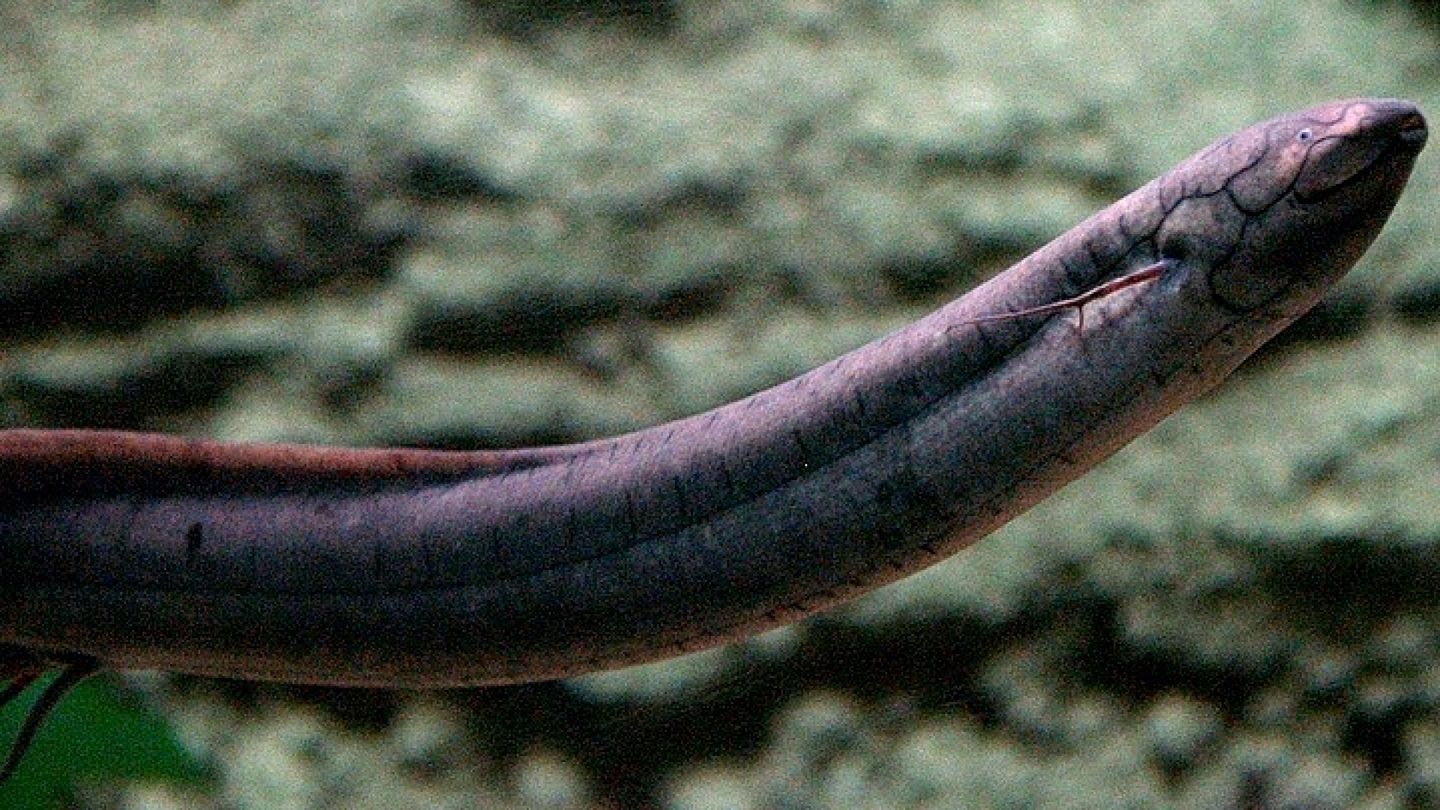
There's plenty to trim from nature too: the lungfish has a huge amount of unnecessary DNA
Translated from Finnish, summarized and contextualized by DistantNews.
TLDR
- The lungfish possesses the longest genome of any animal, but a vast majority of its DNA is non-functional.
- While humans have about 3 billion base pairs, the lungfish has 91 billion, with only around 20,000 functional genes, similar to humans.
- Researchers suggest much of the lungfish's genome consists of repetitive sequences and 'junk DNA,' possibly due to an 'on' biological copy machine.
In these challenging economic times, when belt-tightening seems to be the order of the day, Helsingin Sanomat often turns to nature for perspective. This week, our focus is on the lungfish, a creature that, despite its modest size, carries an astonishing biological burden: the longest genome of any animal on Earth. It's a fascinating, albeit somewhat perplexing, example of evolutionary excess.
While we humans navigate our lives with a genome of roughly three billion base pairs, the lungfish boasts a staggering 91 billion. Yet, here's the kicker: only a tiny fraction, about one percent, of this immense genetic library is actually in use. The vast majority appears to be what scientists term 'junk DNA' – repetitive sequences and remnants of past genetic activity. It’s as if nature, in its infinite wisdom, decided to give the lungfish a library filled with countless redundant copies and outdated texts, while only a few key volumes are essential for its survival.
This discovery raises intriguing questions about efficiency and evolution. All terrestrial animals, including us, trace their ancestry back to ancient fish-like creatures. The lungfish, however, seems to have taken a rather inefficient evolutionary path, accumulating an enormous amount of DNA without a proportional increase in functional genes. It makes one wonder if this biological 'copy machine' that seems to be perpetually running could have been better utilized. Still, for the lungfish itself, this seemingly excessive DNA doesn't appear to hinder its survival in the rivers of South America or its remarkable ability to hibernate in mud for years during dry seasons. It’s a reminder that nature’s designs are not always as streamlined as we might expect.
DistantNews Editorial
Originally published by Helsingin Sanomat in Finnish. Translated, summarized, and contextualized by our editorial team with added local perspective. Read our editorial standards.
More Stories



From Our Blog

What Gets Lost (and Found) When News Is Translated

The Critical Role of Diaspora Media in Global News

What Travellers Should Know About Countries with Restricted Press

A Digital Nomad's Guide to Following Local News

How the Same Story Looks Different in Different Countries
