

Thessaloniki air quality alert: Fire smoke raises particulate levels
Translated from Greek, summarized and contextualized by DistantNews.
At a glance
News
Sources not specified
Context piece
- Thessaloniki recorded increased levels of airborne particulate matter following a large fire in Oreokastro.
- The pollution spike, particularly PM10 and PM2.5 particles, was most pronounced from midnight to 10 a.m. Sunday.
- While pollution levels doubled in some areas, officials stated no emergency measures were immediately necessary, with changing winds helping to disperse the smoke.
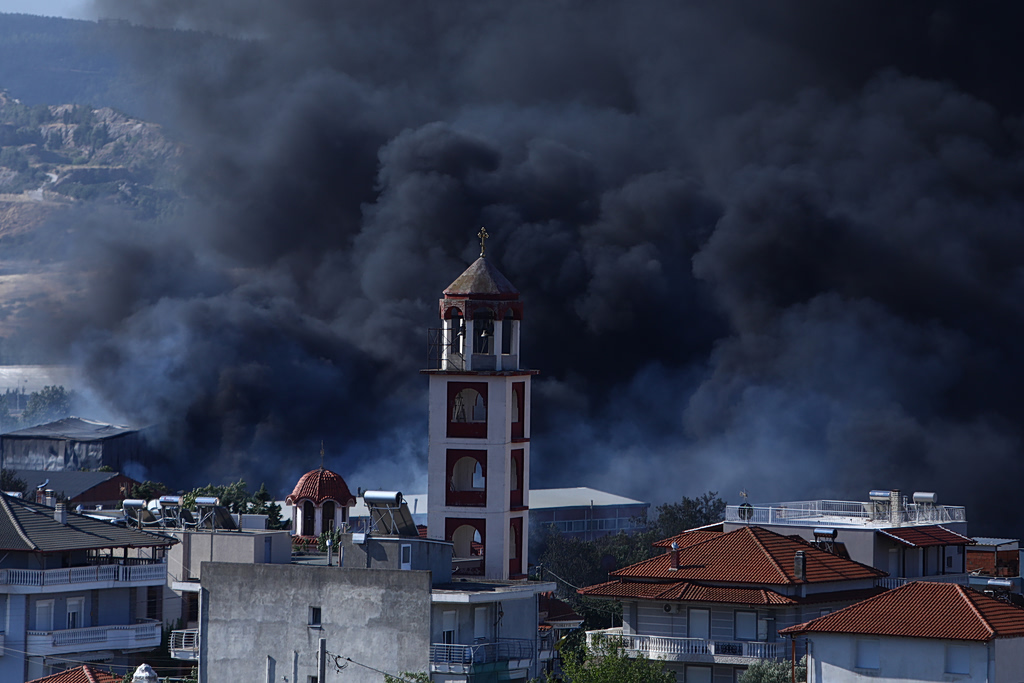
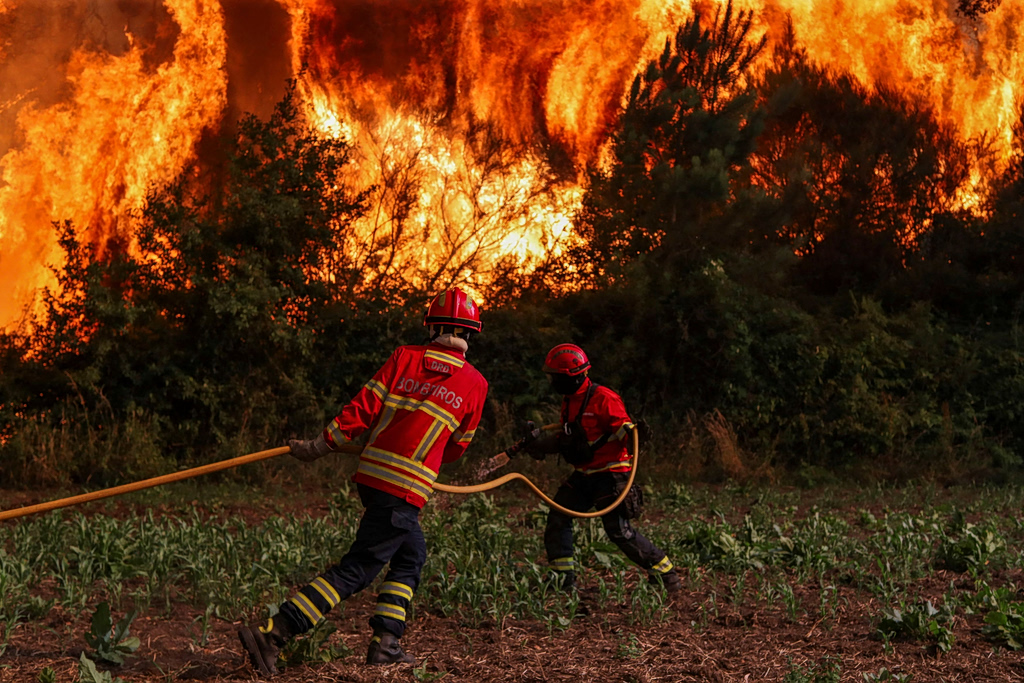
Thessaloniki experienced a significant increase in air pollution, specifically airborne particulate matter, after a major fire erupted in Oreokastro on Saturday night. Monitoring stations registered the pollution spike, primarily affecting the city from midnight through Sunday morning.
the atmospheric pollution of Thessaloniki due to the fire of Oreokastro had a burden on the city during the period from midnight Saturday until ten in the morning Sunday.
According to Vasilis Diamantakis, Deputy Mayor for Environment, Urban Greenery, and Wildlife, the atmospheric pollution from the Oreokastro fire "burdened the city" during that period. Measurements showed elevated concentrations of PM10 particles, which originate mainly from combustion and can penetrate the respiratory system. At the Egnatia monitoring station, PM10 levels ranged from 60 to 85 micrograms per cubic meter (µg/m³), nearly double the usual 25-50 µg/m³.
PM10 at the Egnatia station ranged from 60 to 85 micrograms per cubic meter, when the normal levels on other days are 25 to 50.
Similarly, PM2.5 particles, which are finer and more harmful to public health as they can enter the bloodstream, also showed increased levels. At the Egnatia station, PM2.5 concentrations reached 20 to 60 µg/m³, compared to the normal 10-25 µg/m³. Diamantakis noted that the pollution levels at the City Hall station also doubled compared to typical conditions.
We had about a doubling.
Despite the elevated readings, Diamantakis stated that no emergency measures were deemed necessary at this time. The situation improved as the " Vardaris" wind began around 10 a.m. Sunday, helping to disperse the smoke cloud southward. He added that while high pollution levels can occur on certain days due to weather conditions and traffic, such episodes are not frequent.
The phenomenon ended when around 10 in the morning the Vardaris came out and swept the cloud south.
DistantNews Editorial
Originally published by Ta Nea in Greek. Translated, summarized, and contextualized by our editorial team with added local perspective. Read our editorial standards.
More Stories
From Our Blog

What Gets Lost (and Found) When News Is Translated

The Critical Role of Diaspora Media in Global News

What Travellers Should Know About Countries with Restricted Press

A Digital Nomad's Guide to Following Local News

How the Same Story Looks Different in Different Countries
