

Thousands of flights cancelled as Typhoon Bavi hits eastern China bringing heavy rains
Summarized and contextualized by DistantNews.
At a glance
News
From a news agency
Outcome reported
- Typhoon Bavi made landfall in eastern China, leading to the cancellation of over 2,800 flights and significant train service disruptions.
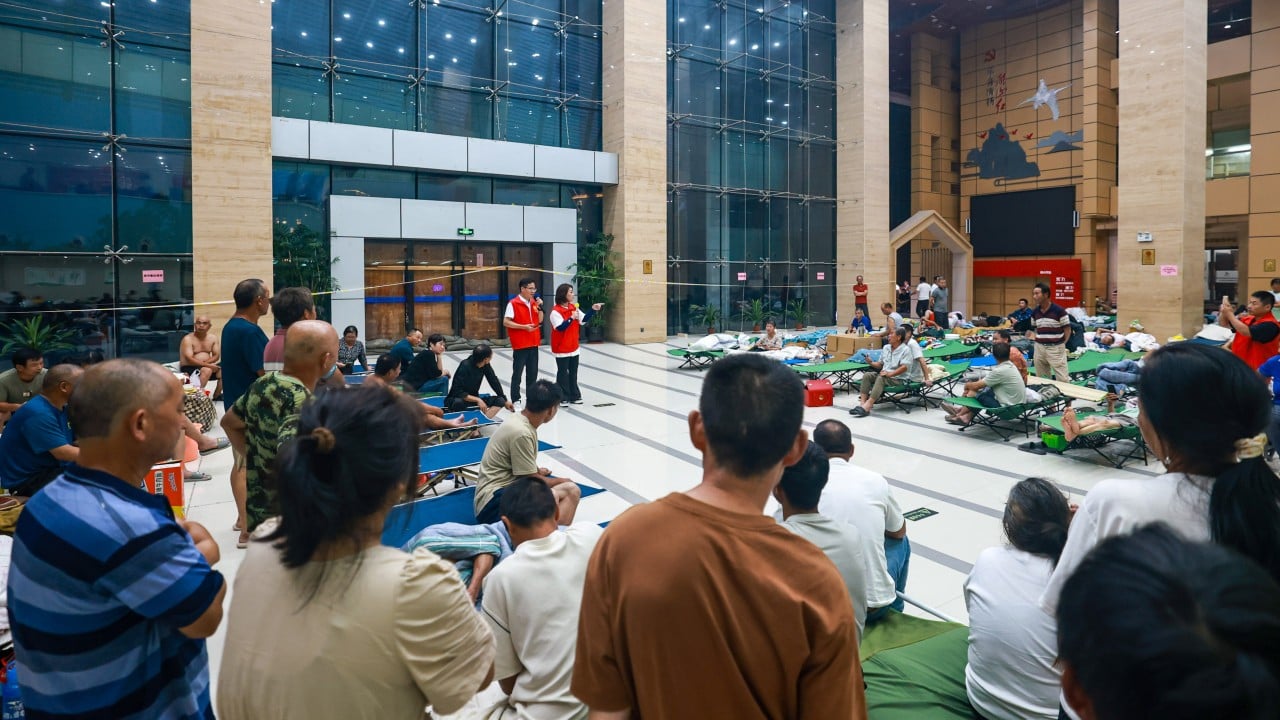
- More than 2.4 million people were evacuated from areas in the storm's projected path as a precautionary measure.
- The typhoon, spanning 1,000km at its widest point, made two landfalls in Zhejiang province before weakening.
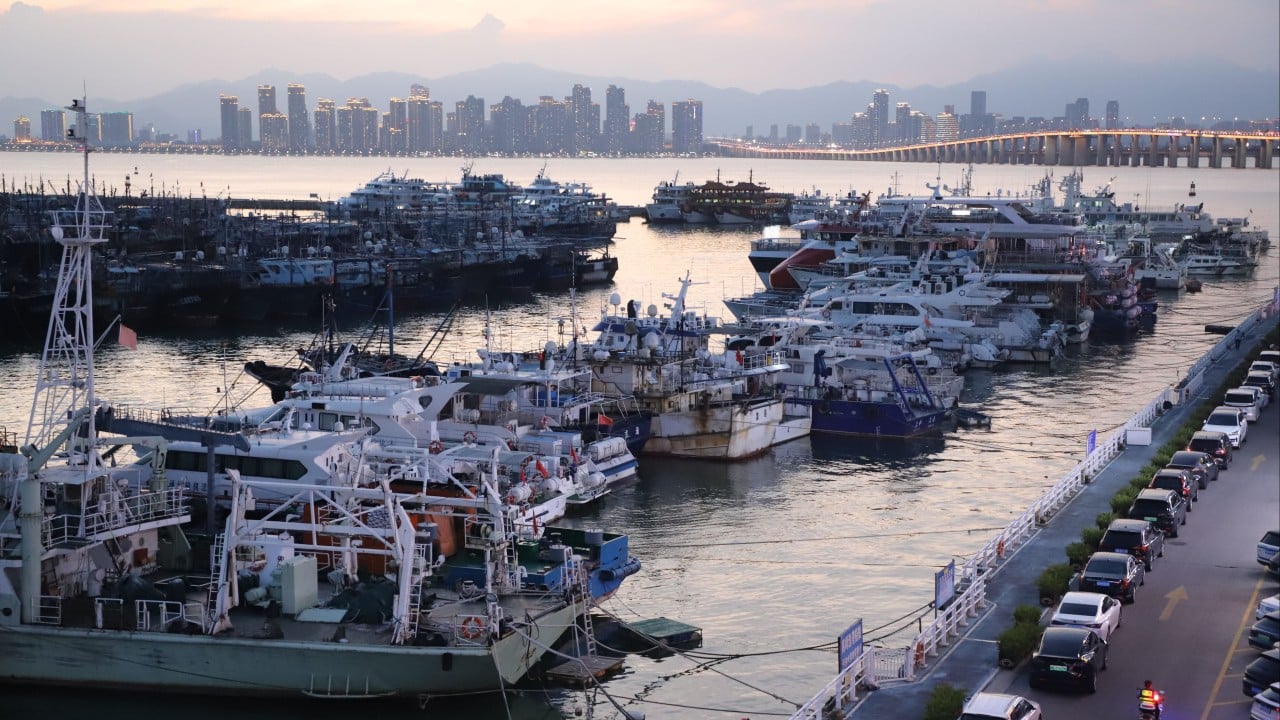
Typhoon Bavi struck eastern China on Saturday night, triggering widespread travel chaos and necessitating the evacuation of millions. The storm, the second major typhoon to hit the country in a week, caused the cancellation of thousands of flights and the suspension of numerous train services.
Chinese airlines reported that over 2,800 flights were likely to be canceled by Saturday evening, according to state news agency Xinhua. Shanghai's Pudong and Hongqiao airports alone were expected to cancel approximately 650 flights, representing about 30 percent of their scheduled capacity. Hangzhou Xiaoshan Airport also canceled 296 flights on Sunday, though operations were planned to resume later in the day as the typhoon's intensity decreased.
Beyond air travel, train services were severely impacted. Two of the four main railway stations in the affected region canceled all services for the day, with other routes also experiencing suspensions. These disruptions underscore the storm's significant reach and power.
Authorities took extensive precautionary measures, evacuating more than 2.4 million people from areas anticipated to be in the typhoon's path. Typhoon Bavi, measuring approximately 1,000 kilometers (600 miles) across at its widest point, first made landfall in the coastal city of Taizhou, Zhejiang province, at 11:12 p.m. It subsequently made a second landfall in Wenzhou city shortly after midnight, before beginning to weaken.
DistantNews Editorial
Originally published by South China Morning Post. Summarized and contextualized by our editorial team with added local perspective. Read our editorial standards.
More Stories
From Our Blog

Countries Without a Free Press: What You Need to Know

What Press Freedom Means for the News You Read

What Gets Lost (and Found) When News Is Translated

The Critical Role of Diaspora Media in Global News

What Travellers Should Know About Countries with Restricted Press
