


Three Charged in Singapore Over Scheme to Evade U.S. Tariffs on China-Made Mattresses
Translated from English, summarized and contextualized by DistantNews.
At a glance
News
Official statement
New plan
- Three individuals and a company face charges for allegedly mislabeling Chinese-made mattresses as Singaporean to avoid U.S. import duties.
- The scheme involved goods worth approximately S$1.9 million (US$1.5 million) and operated between August 2024 and September 2025.
- The case highlights U.S. concerns about trade partners being used to evade tariffs on Chinese goods, with Singapore identified as a potential target for transshipment.
Singapore authorities have charged three individuals and a company for their alleged role in a scheme to falsely declare Chinese-made mattresses as Singaporean goods, aiming to bypass U.S. import duties. The accused, including Singapore permanent resident Yin Yuxi, Chinese national Xue Xin, and Singaporean Bernard Koh Wee Yiap, along with their company Healthy Living Biotech, face multiple charges.
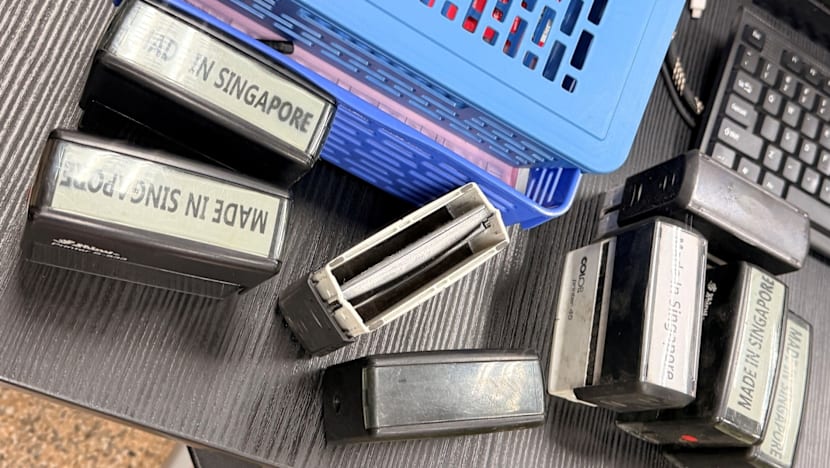
These charges relate to making false declarations and statements, applying incorrect trade descriptions, and fraudulently evading Goods and Services Tax (GST). Investigations by Singapore Customs, initiated in February 2026, revealed that mattresses manufactured in China were stamped with "Made in Singapore." The alleged scheme, which ran from August 2024 to September 2025, involved goods valued at around S$1.9 million (US$1.5 million).
Singapore Customs takes a serious view of the falsification of trade declarations or the misuse of Certificates of Origin.
The case emerges just a day after the Trump administration identified Singapore among over 40 trading partners at risk of facilitating the evasion of U.S. tariffs on Chinese products. A White House report specifically cited concerns about "illegal transshipment," where goods are rerouted through countries with lower U.S. tariffs to avoid higher duties on Chinese imports. Singapore's preferential access to the U.S. market makes it an "attractive opportunistic target" for such activities, the report noted.
Singapore Customs emphasized the seriousness of falsifying trade declarations and misusing Certificates of Origin, stating that such actions damage the integrity of international trade documentation and Singapore's reputation as a reliable global trading hub. The penalties for conviction include substantial fines, jail time, or both, depending on the specific offense.
Such conduct undermines the integrity of international trade documentation and can damage Singapore's standing as a trusted and reliable global trading hub.
DistantNews Editorial
Originally published by CNA in English. Translated, summarized, and contextualized by our editorial team with added local perspective. Read our editorial standards.
More Stories



From Our Blog

What Gets Lost (and Found) When News Is Translated

The Critical Role of Diaspora Media in Global News

What Travellers Should Know About Countries with Restricted Press

A Digital Nomad's Guide to Following Local News

How the Same Story Looks Different in Different Countries
