


Three of the world's most dangerous martial arts: How they were created for survival and war
Translated from Romanian, summarized and contextualized by DistantNews.
At a glance
In-depth
Sources not specified
Context piece
- Lethwei, also known as Burmese boxing, is described as the 'art of nine limbs' due to its allowance of punches, kicks, headbutts, knees, and elbows.
- Unlike modern martial arts, Lethwei retains its original purpose of opponent elimination, often resulting in brutal fights without protective gear or rounds.
- Originating in Myanmar around the 12th century, Lethwei's ancient roots are suggested by temple carvings, indicating a history potentially exceeding a thousand years.
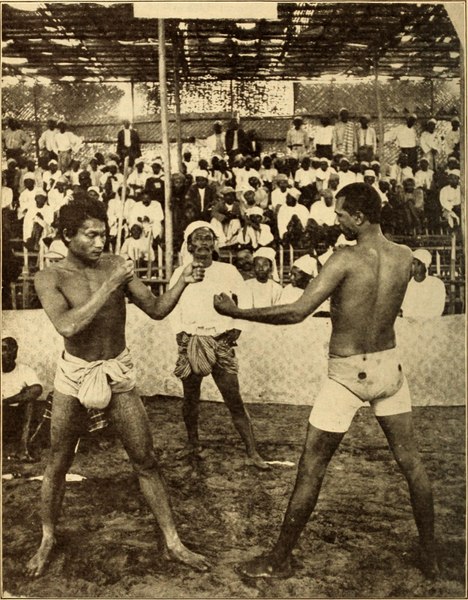
Lethwei, a brutal martial art from Myanmar, is known as the 'art of nine limbs' because it permits the use of fists, feet, head, knees, and elbows in combat. Unlike many martial arts that have evolved into sports with strict rules and safety measures, Lethwei has largely preserved its original, highly aggressive purpose: the rapid elimination of an opponent.
Fights in traditional Lethwei often resemble street brawls, with participants using bare fists and delivering powerful blows to the head and body. The absence of protective gear, such as gloves or padding, and the lack of rounds or point systems mean that victories are typically achieved only through knockout. Historically, Lethwei bouts could end in a bloody spectacle, with the last fighter standing declared the winner.
The art of the nine limbs, or when the ring becomes a bloodbath.
Researchers trace Lethwei's origins back to the 12th century in Myanmar, during the Pagan Kingdom. Sculptures found on temples in central Myanmar depict pairs of men engaged in combat, suggesting the martial art may have a history stretching back over a millennium. This ancient combat style, designed for survival and warfare, continues to be practiced today, maintaining its reputation as one of the world's most dangerous fighting systems.
Fighters can use their fists, feet, and even their heads in a confrontation. They can apply extremely hard blows with their knees and elbows.
DistantNews Editorial
Originally published by Adevărul in Romanian. Translated, summarized, and contextualized by our editorial team with added local perspective. Read our editorial standards.
More Stories

From Our Blog

What Gets Lost (and Found) When News Is Translated

The Critical Role of Diaspora Media in Global News

What Travellers Should Know About Countries with Restricted Press

A Digital Nomad's Guide to Following Local News

How the Same Story Looks Different in Different Countries
