

Three siblings hospitalized with rodenticide poisoning after eating rat meat
Translated from Vietnamese, summarized and contextualized by DistantNews.
At a glance
News
Sources not specified
Outcome reported
- Three siblings in Tay Ninh, Vietnam, were hospitalized with severe blood clotting disorders and internal bleeding after eating rat meat suspected to be contaminated with rodenticide.
- The youngest child experienced the most severe symptoms, including vomiting blood and respiratory distress requiring mechanical ventilation.
- Doctors treated the children with gastric lavage, activated charcoal, and vitamin K1, with their conditions stabilizing after nearly three weeks.
Three young siblings in Tay Ninh, Vietnam, suffered severe poisoning and blood clotting disorders after consuming rat meat over several days. The children, aged 10, 9, and 7, were hospitalized with symptoms including abdominal pain, vomiting, diarrhea, and extensive bruising.
After 1 week of eating rat meat, 3 siblings were poisoned by rat poison, with severe blood clotting disorders.
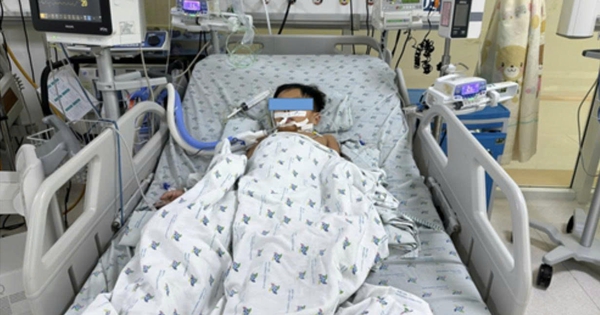
The youngest, a 7-year-old boy, exhibited the most critical condition, vomiting black blood, experiencing abdominal distension, and passing blood in his urine. He also developed severe respiratory distress due to internal bleeding into his lungs, necessitating mechanical ventilation. Local hospitals initially diagnosed food poisoning and clotting disorders, but transfer to a pediatric hospital revealed rodenticide poisoning, likely from a superwarfarin-type poison.
The youngest child, Â., suffered the most severe poisoning from rat poison, showing the most severe symptoms among the three siblings.
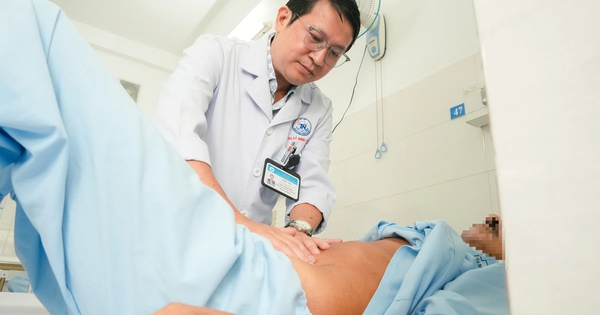
Doctors at the Children's Hospital in Ho Chi Minh City treated the children with gastric lavage, activated charcoal, and vitamin K1. The boy requiring ventilation received plasma and blood transfusions. After nearly three weeks of intensive care, all three children's conditions stabilized, with the youngest being weaned off the ventilator. They will continue to receive vitamin K1 and be monitored for at least five days after discontinuing the medication, as superwarfarin can persist in the body for weeks or months, prolonging the risk of bleeding disorders.
At the local hospital, all 3 children were diagnosed with food poisoning, blood clotting disorders, and treated with fluid infusion and antibiotics.
DistantNews Editorial
Originally published by Thanh Niên in Vietnamese. Translated, summarized, and contextualized by our editorial team with added local perspective. Read our editorial standards.
More Stories
From Our Blog

What Gets Lost (and Found) When News Is Translated

The Critical Role of Diaspora Media in Global News

What Travellers Should Know About Countries with Restricted Press

A Digital Nomad's Guide to Following Local News

How the Same Story Looks Different in Different Countries
