

Vietnamese Hospital Successfully Treats Ruptured Aortic Aneurysm with Emergency Surgery
Translated from Vietnamese, summarized and contextualized by DistantNews.
At a glance
News
Named sources
Outcome reported
- A Vietnamese hospital successfully treated a patient with a ruptured abdominal aortic aneurysm, a life-threatening condition.
- The patient, a 65-year-old man, experienced severe abdominal pain and signs of shock before undergoing emergency surgery.
- The hospital activated a "red alert" protocol, preparing operating rooms and medical teams for immediate intervention upon the patient's arrival.
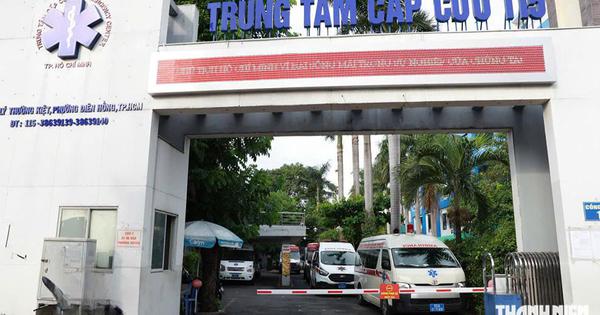
Thống Nhất Hospital in Ho Chi Minh City has successfully performed emergency surgery on a 65-year-old patient suffering from a ruptured abdominal aortic aneurysm. The patient, identified as T.V.S., was rushed to the hospital in critical condition with severe abdominal pain, dizziness, and signs of shock.
Upon arrival at a lower-level hospital, doctors discovered a significant aneurysm, approximately 6 cm in diameter, which had ruptured and was causing massive internal bleeding. Recognizing the extreme danger and the patient's rapidly deteriorating state, doctors initiated a consultation with Thống Nhất Hospital. A decision was made to transfer the patient immediately for specialized surgical intervention.
As the patient was en route, Thống Nhất Hospital activated its "red alert" protocol. Emergency teams from the Intensive Care Unit, Cardiovascular and Thoracic Surgery, and Anesthesiology departments were mobilized. They prepared the operating room and necessary resources to ensure the patient could undergo surgery the moment they arrived.
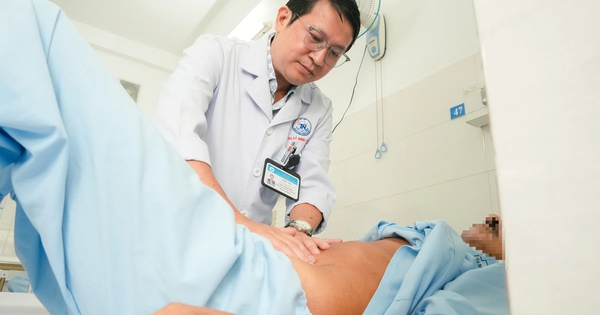
Doctors reported that during the surgery, a large amount of blood was found in the abdominal cavity. The rupture was in a complex area, making bleeding control and the surgical procedure exceptionally challenging. At one point, the patient's heart stopped due to severe blood loss and shock. However, the medical team managed to stabilize the patient's circulation while continuing the surgery to control the bleeding. The patient received a total of 8 units of red blood cells and 2 units of plasma, amounting to 3,200 ml of blood, to compensate for the massive loss. Following the surgery, the patient's condition has stabilized, and they are expected to make a full recovery.
We had to resuscitate the heart while continuing surgery to control the bleeding. After urgent efforts, the patient's circulation was re-established.
DistantNews Editorial
Originally published by Thanh Niên in Vietnamese. Translated, summarized, and contextualized by our editorial team with added local perspective. Read our editorial standards.
More Stories


From Our Blog

What Gets Lost (and Found) When News Is Translated

The Critical Role of Diaspora Media in Global News

What Travellers Should Know About Countries with Restricted Press

A Digital Nomad's Guide to Following Local News

How the Same Story Looks Different in Different Countries
