


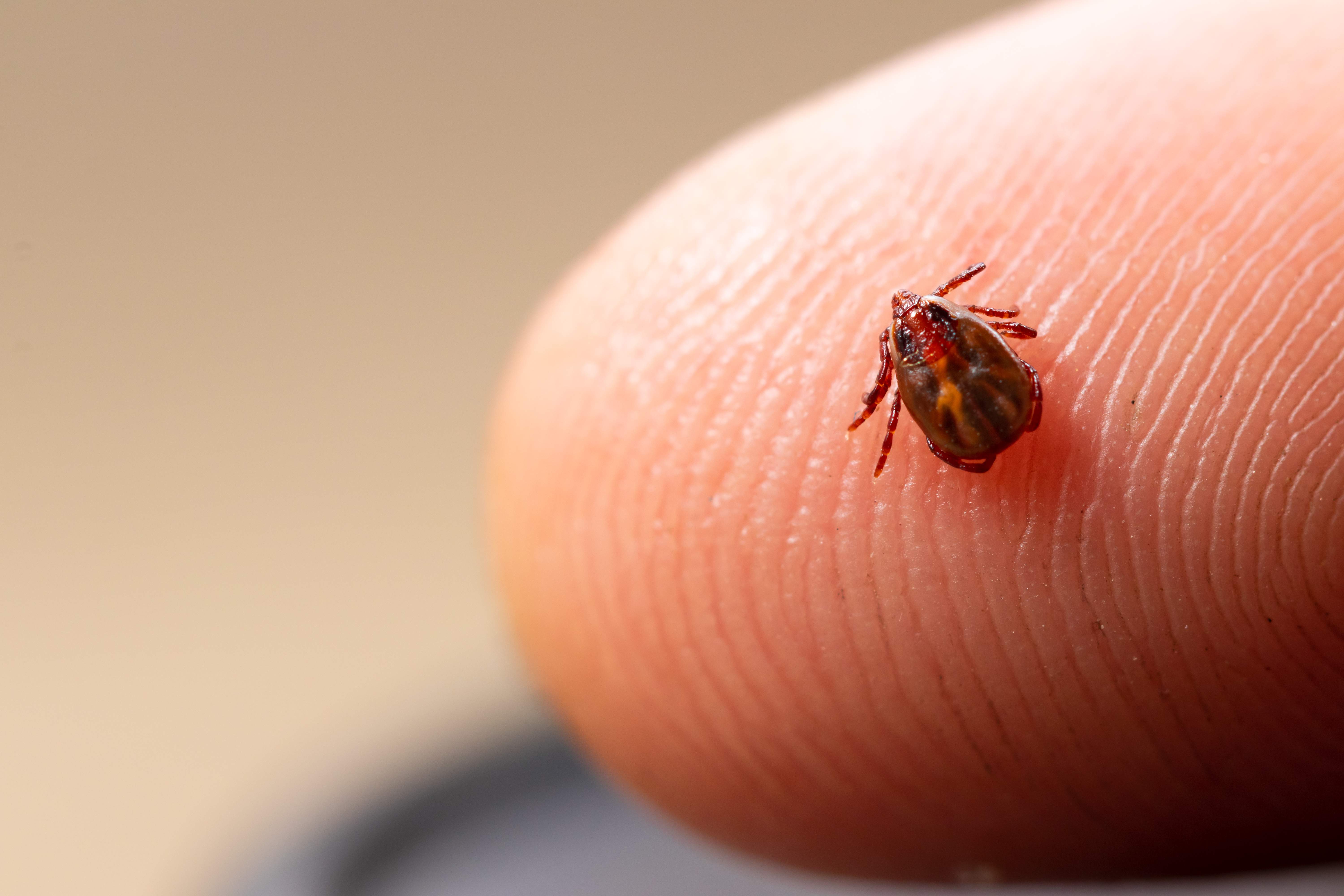
Tick-borne illnesses, including anaplasmosis, rise in Nova Scotia amid warmer climate
Translated from English, summarized and contextualized by DistantNews.
At a glance
News
Official statement
Context piece
- Nova Scotia is experiencing a rise in tick-borne diseases beyond Lyme disease, including anaplasmosis.
- Warmer winters and an expanding deer population contribute to the increased risk, with 400 anaplasmosis cases reported by July 26.
- Experts advise vigilance for flu-like symptoms and prompt tick checks to prevent bites and subsequent illnesses.
Nova Scotia is grappling with an increasing number of tick-borne illnesses, with experts highlighting a concerning rise in anaplasmosis alongside Lyme disease. The province's warming climate, characterized by shorter and milder winters, is creating a more hospitable environment for the black-legged ticks that carry these pathogens.
We are also seeing that anaplasma that cause anaplasmosis is on the rise. So this is an evolution of the tick species able to effectively transmit and carry other pathogens.
Nicoletta Faraone, director of the Canadian Tick Research and Innovation Centre, explained that the "evolution of the tick species" allows them to "effectively transmit and carry other pathogens." This trend is exacerbated by an expanding deer population, which provides essential blood meals for ticks, and changes in landscape use. The Nova Scotia Department of Health reported 400 cases of anaplasmosis by July 26, a significant increase from the 681 cases in all of 2025 and 466 in 2024.
Climate change, and longer, warmer seasons may be helping ticks to spread and stay active for more of the year.
Lyme disease cases also continue to climb, with 2,788 recorded in 2025 compared to 2,351 in 2024. Health officials note that the "longer, warmer seasons may be helping ticks to spread and stay active for more of the year," increasing opportunities for human encounters. While symptoms of anaplasmosis are not always apparent, Faraone urges individuals to consult a doctor if they experience flu-like symptoms or notice a bull's-eye rash, a common indicator of Lyme disease.
That’s why it’s always important to talk to your family doctor if you see anything that might be flu-like symptoms or you can see the typical bull-eye rash that it’s an indication of the Lyme disease.
Preventative measures remain key, with Faraone emphasizing the importance of avoiding tick bites altogether. She advises thorough "tick checks" after spending time outdoors, as removing a tick within a few hours of attachment significantly reduces the risk of disease transmission. Researchers are also monitoring emerging concerns like alpha-gal syndrome, a rare allergy to red meat triggered by certain tick bites.
Because even if you have a tick attached on you, if you do your tick check right away and the tick is attached just for a couple of hours, you will be most likely fine.
DistantNews Editorial
Originally published by Global News in English. Translated, summarized, and contextualized by our editorial team with added local perspective. Read our editorial standards.
More Stories



From Our Blog

What Gets Lost (and Found) When News Is Translated

The Critical Role of Diaspora Media in Global News

What Travellers Should Know About Countries with Restricted Press

A Digital Nomad's Guide to Following Local News

How the Same Story Looks Different in Different Countries
