


Ticks: The 'invisible' enemy of summer
Translated from Greek, summarized and contextualized by DistantNews.
At a glance
News
Sources not specified
Context piece
- Ticks pose a significant health risk during summer months in Greece, with experts warning of increased dangers.
- These parasites can cause mild irritation or transmit serious infections, as they feed on the blood of humans and animals.
- Prevention includes wearing protective clothing, using repellents, and conducting thorough body checks after outdoor activities.
Ticks are emerging as a significant summer threat in Greece, with health experts urging increased vigilance. Pediatrician Areti Maniotis and Ilias Papadopoulos, director of the Parasitology and Parasitic Diseases Laboratory at the Aristotle University of Thessaloniki's Veterinary School, detailed the risks and preventive measures.
Ticks, which inhabit bushes and grass, attach themselves to people and animals to feed on blood. They do not jump or fly but cling to any host they encounter, preferring humid environments like parks and rural areas. Warmer temperatures and reduced cold periods are contributing to their increased activity in spring and summer. While a tick bite can cause minor irritation, the primary concern is the transmission of serious infections through bacteria, viruses, and other parasites. The tick's saliva contains substances that numb the bite area, often making it unnoticeable until the tick is physically spotted.
Usually it causes mild irritation, but it is also responsible for serious infections. Usually, a tick bites an infected animal, and then it is transmitted to another animal or to humans, and thus it becomes infected. Usually, we don't notice it, because the tick's saliva contains substances that cause neither pain nor itching. We just look for it, because unlike mosquito or bee stings, there is a small black thing, we see it on us.
To prevent tick bites, experts recommend wearing long clothing, closed shoes, and insect repellent when in nature. Thoroughly checking children for ticks upon returning home, especially in warm and moist areas of the body, is crucial. Papadopoulos noted that ticks become more active in spring for feeding and reproduction, increasing the risk of pathogen transmission. The correct and immediate removal of a tick is vital. Specialists advise using fine-tipped tweezers to grasp the tick as close to the skin as possible and pulling it out with a steady, rotating motion. Old methods involving oily substances or insecticides are discouraged, as they can stress the tick and increase infection risk. Prompt removal significantly lowers the chance of infection, and any remaining parts are usually expelled by the body naturally.
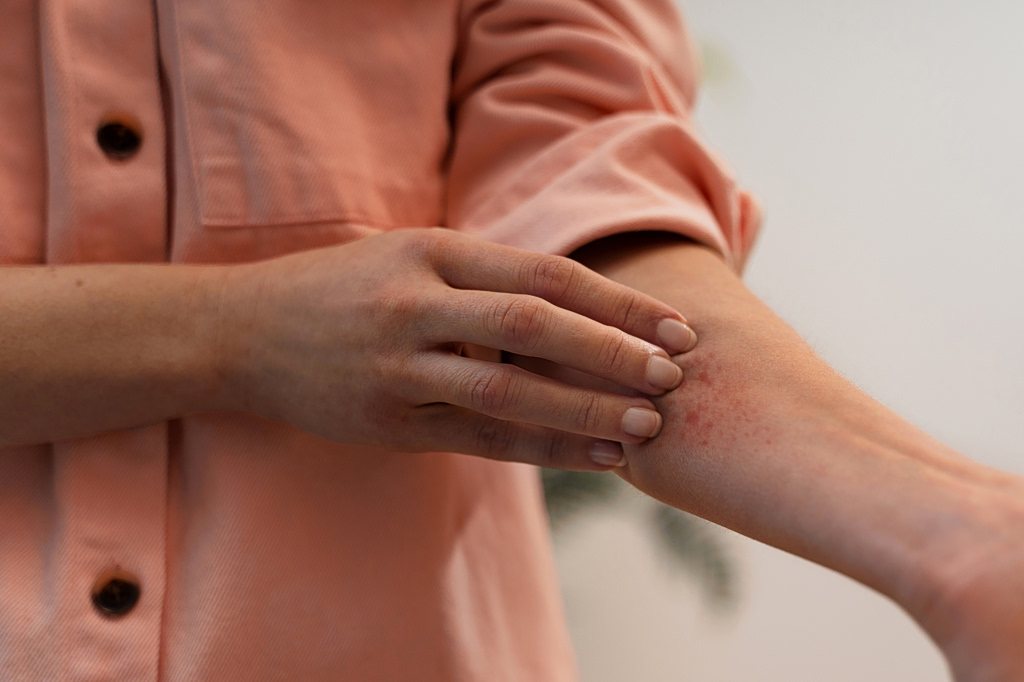
If symptoms such as prolonged fever, extreme fatigue, or unusual rashes appear after a potential tick bite, immediate medical attention is advised. The article also briefly mentions a separate news item about an agreement between Doukas and Fostiroplou.
Now in spring, there is an outbreak of their activity, because they begin to become active and reproduce, and they also want to feed on blood. Where during the blood feeding they can inoculate various pathogens. Any kind of pathogens, it can be other parasites, it can be bacteria, viruses, and so on.
DistantNews Editorial
Originally published by Ta Nea in Greek. Translated, summarized, and contextualized by our editorial team with added local perspective. Read our editorial standards.
More Stories



From Our Blog

What Gets Lost (and Found) When News Is Translated

The Critical Role of Diaspora Media in Global News

What Travellers Should Know About Countries with Restricted Press

A Digital Nomad's Guide to Following Local News

How the Same Story Looks Different in Different Countries
