


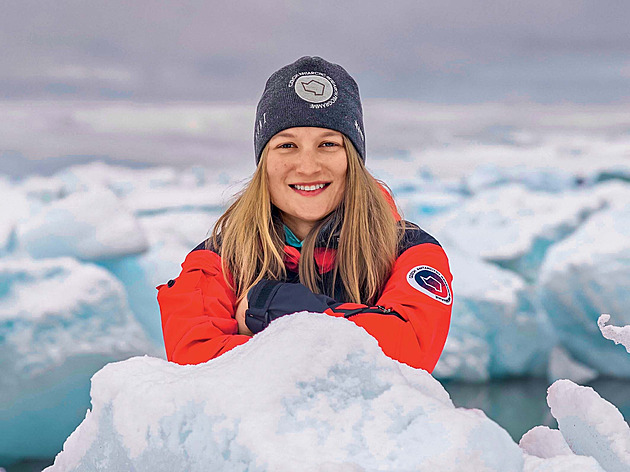
 Image: archiv Stanislavy Bezdíček Králové
To Antarctica for research: Scientist explains why antibiotics are losing their edge
Translated from Czech and summarized by DistantNews. Read the original for the full story.
At a glance
In-depth
Named sources
Context piece
- Antibiotic-resistant microorganisms contributed to five million deaths in 2019, according to Stanislava Bezdíček Králová.
- Estimates cited in the article suggest that figure could double by 2050.
- The article follows research connected with Antarctica and the growing challenge of antibiotic resistance.
Antibiotics have saved millions of lives. Now, their success is helping create a threat: bacteria are adapting to the drugs faster than scientists can develop replacements.
“Resistant microorganisms contributed to five million deaths in 2019. By 2050, that number is expected to double,” says scientist Stanislava Bezdíček Králová.
The warning comes in the context of research linked to Antarctica. The article presents antibiotic resistance as a problem driven by the widespread use of medicines that once transformed the treatment of infections. As the drugs lose effectiveness, researchers face a race to find new therapies.
The article does not provide further details about the Antarctic research, but its central message is clear: medicines that once reliably fought bacterial infections are gradually becoming less dependable.
Resistant microorganisms contributed to five million deaths in 2019. By 2050, that number is expected to double.
About this summary
Originally published by iDNES in Czech. Translated, summarized, and contextualized automatically by DistantNews, with a note on how the source frames the story. Not individually reviewed before publishing. How this works.
More Stories



From Our Blog

What Gets Lost (and Found) When News Is Translated

The Critical Role of Diaspora Media in Global News

What Travellers Should Know About Countries with Restricted Press

A Digital Nomad's Guide to Following Local News

How the Same Story Looks Different in Different Countries
