

To make Ho Chi Minh City a top Asian destination
Translated from Vietnamese, summarized and contextualized by DistantNews.
At a glance
Analysis
Named sources
Context piece
- Ho Chi Minh City must clearly define its greatest competitive advantage to become a top Asian destination, according to National Assembly delegate Bui Hoai Son.
- Son suggests the city should build a modern urban tourism ecosystem, focusing on a global brand strategy and unique tourism products.
- He emphasizes enhancing service quality to international standards and preserving the city's unique "nghia tinh" (benevolence and camaraderie) as a core value.
Ho Chi Minh City must clearly define its greatest competitive advantage to become a leading destination in Asia, according to National Assembly delegate Bui Hoai Son. He argues that the city cannot compete solely on modern infrastructure like skyscrapers or shopping malls, as many regional cities have surpassed it in these areas. Instead, Son proposes the development of a modern urban tourism ecosystem.
Son outlined four key areas for development. First, the city needs a global urban brand strategy, telling a compelling story that highlights its creativity, history, aspirations, youthful energy, southern hospitality, and international integration. Every landmark, river, market, street, art space, and dish can contribute to this narrative.
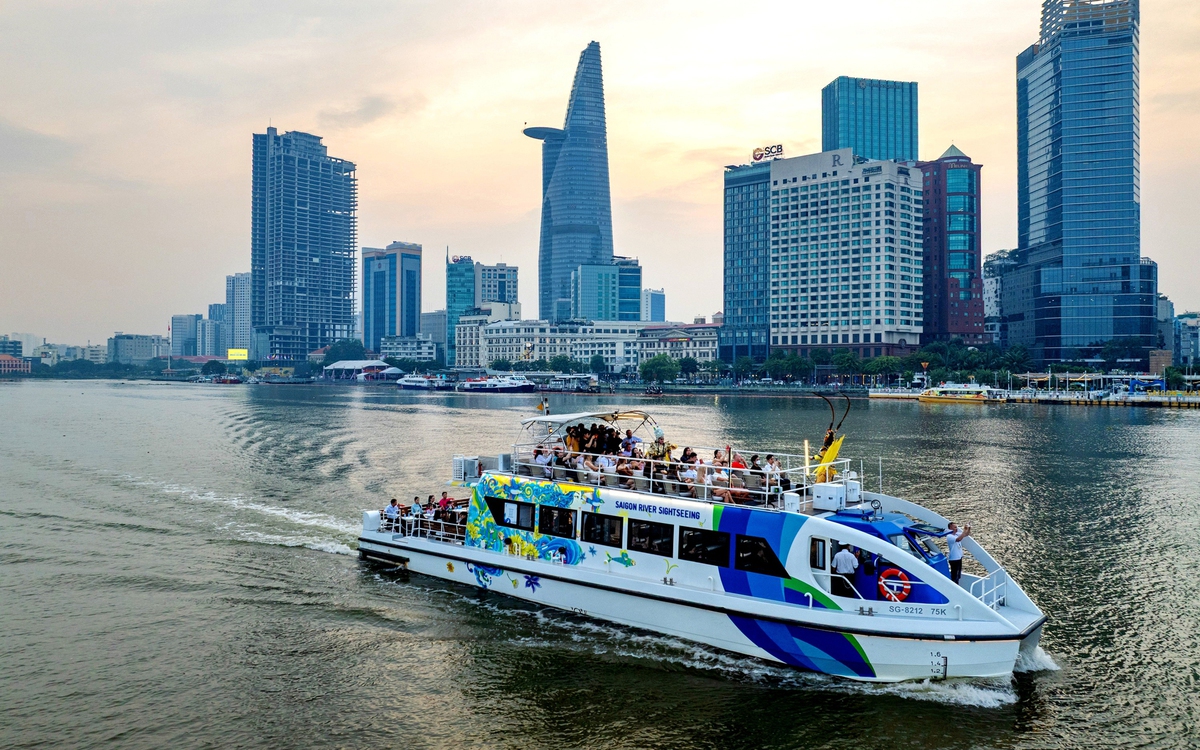
Second, Ho Chi Minh City must invest heavily in internationally competitive tourism products. This includes MICE (Meetings, Incentives, Conferences, Exhibitions), culinary tourism, river tours, medical tourism, shopping, creative tourism, and music and film festivals. A global city requires a year-round calendar of events and unique signature festivals.
Third, service quality must be elevated to international standards, ensuring visitors experience convenience, safety, cleanliness, civility, friendliness, multilingual support, digital connectivity, smooth transportation, and professional services. This encompasses everything from airports and seaports to metro stations, taxis, restaurants, hotels, public restrooms, and signage.
Finally, Son stressed that culture should be the soul of tourism. Relying solely on services might attract many visitors but lacks depth. Tourism supported by culture develops identity, creates memories, evokes emotions, and encourages repeat visits. He particularly emphasized preserving the city's unique "nghia tinh" – its benevolence, camaraderie, tolerance towards migrants, sharing in adversity, openness to new ideas, and the generosity of its southern people – as a core value amidst modernization and globalization. This aligns with Politburo Resolution 09, which aims to make Ho Chi Minh City a top Asian destination.
TP.HCM trước hết phải xác định rất rõ rằng lợi thế lớn nhất của mình để cạnh tranh là gì.
DistantNews Editorial
Originally published by Tuổi Trẻ in Vietnamese. Translated, summarized, and contextualized by our editorial team with added local perspective. Read our editorial standards.
More Stories


From Our Blog

What Gets Lost (and Found) When News Is Translated

The Critical Role of Diaspora Media in Global News

What Travellers Should Know About Countries with Restricted Press

A Digital Nomad's Guide to Following Local News

How the Same Story Looks Different in Different Countries
