


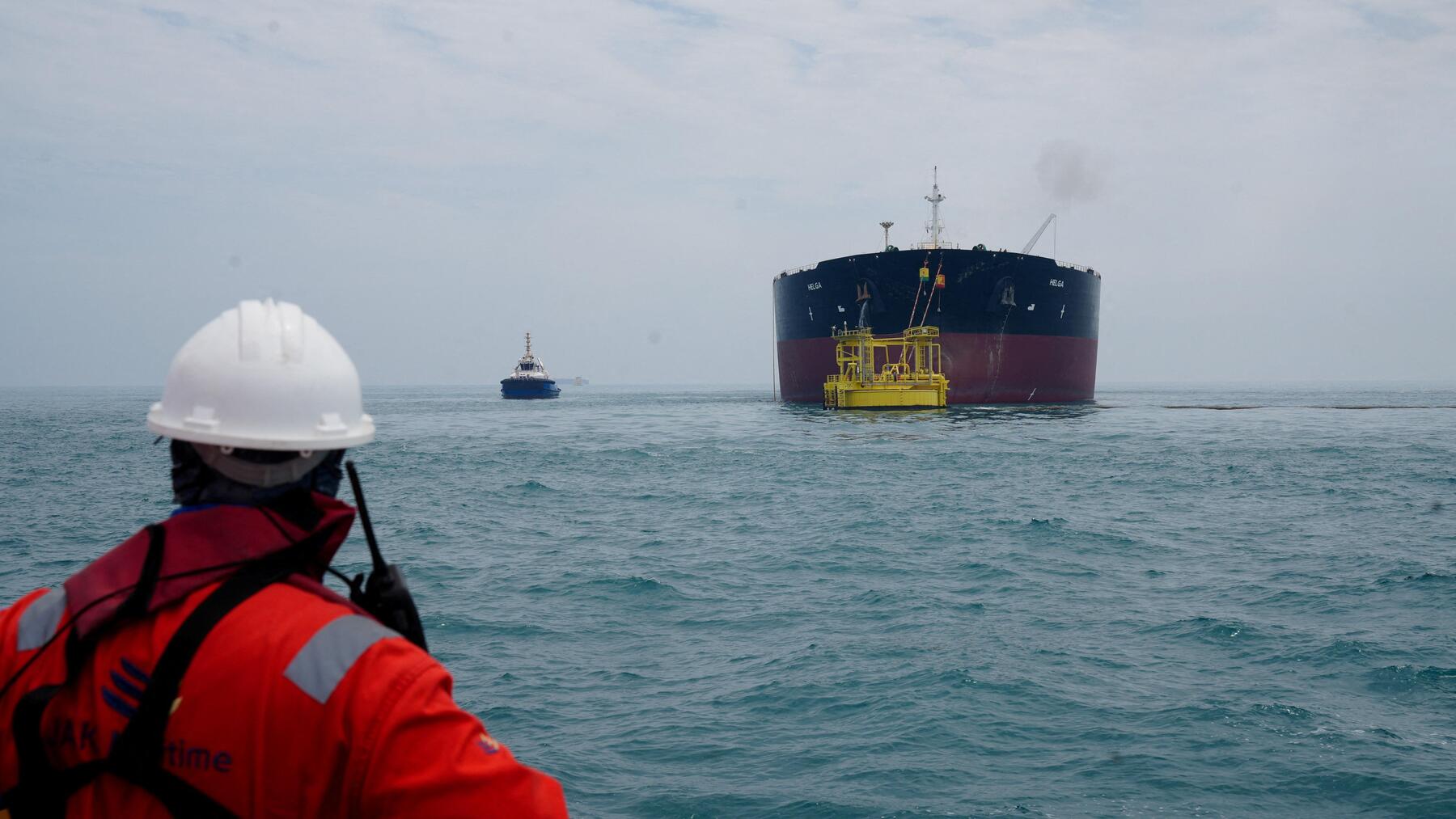
Too Little Oil, Now Too Much? OPEC+ Boosts Output Amid Price Plunge
Translated from German, summarized and contextualized by DistantNews.
At a glance
Analysis
Sources not specified
Context piece
- Oil prices have fallen significantly from their recent highs, nearing pre-conflict levels, amid concerns of a global oversupply.
- OPEC+ decided to increase production quotas starting in August, despite the market's current glut.
- China's reduced oil imports and increased domestic energy alternatives contribute to the market imbalance.
The global oil market is experiencing a dramatic shift, with prices plummeting from around $110 per barrel in late February to approximately $72 per barrel currently. This sharp decline, a drop of nearly 40 percent from its yearly high, has replaced fears of supply disruption with concerns over a potential global oversupply.
This market volatility follows the reopening of the Strait of Hormuz, a critical chokepoint for global oil shipments, which had been rendered impassable due to escalating tensions between the U.S. and Iran. Before the disruption, the strait handled about one-fifth of the world's crude oil. Saudi Arabia and the UAE have since ramped up exports, and the U.S. has released oil from its strategic reserves. Additionally, Iranian oil is becoming available again following U.S. waivers, though finding buyers remains a challenge.
Adding to the supply-side pressure, China, the world's largest crude oil importer, has significantly reduced its purchases by approximately five million barrels per day. The nation has ample stockpiles and diverse energy sources, demonstrating resilience in its energy system, according to Wang Hongzhi, director of China's National Energy Administration. "But China is not buying," noted Natasha Kaneva, head of commodities at JPMorgan Chase, highlighting the limited demand despite the potential availability of oil previously destined for China.
In response to this complex situation, the OPEC+ cartel announced on Sunday its decision to increase production quotas starting in August. This move comes even as the market grapples with the return of previously blocked oil supplies into a system that has adapted to functioning without them for months. The cartel had already been gradually increasing output between April and July, by nearly 800,000 barrels per day, but geopolitical factors had limited the actual volume reaching the global market.
DistantNews Editorial
Originally published by Die Presse in German. Translated, summarized, and contextualized by our editorial team with added local perspective. Read our editorial standards.
More Stories



From Our Blog

What Gets Lost (and Found) When News Is Translated

The Critical Role of Diaspora Media in Global News

What Travellers Should Know About Countries with Restricted Press

A Digital Nomad's Guide to Following Local News

How the Same Story Looks Different in Different Countries
