

Top Chinese general draws on Jiang’s legacy to highlight importance of loyalty in military
Summarized and contextualized by DistantNews.
At a glance
Analysis
Named sources
Context piece
- China's top general, Zhang Shengmin, emphasized the importance of loyalty and party unity in the military, referencing late leader Jiang Zemin.
- Zhang's article in the People's Daily highlighted lessons from the Soviet Union's collapse and the first Gulf War to underscore threats from "hostile forces."
- He stressed that the Communist Party's absolute leadership is the foundation of the People's Liberation Army, warning against "depoliticization" and "de-partyisation."
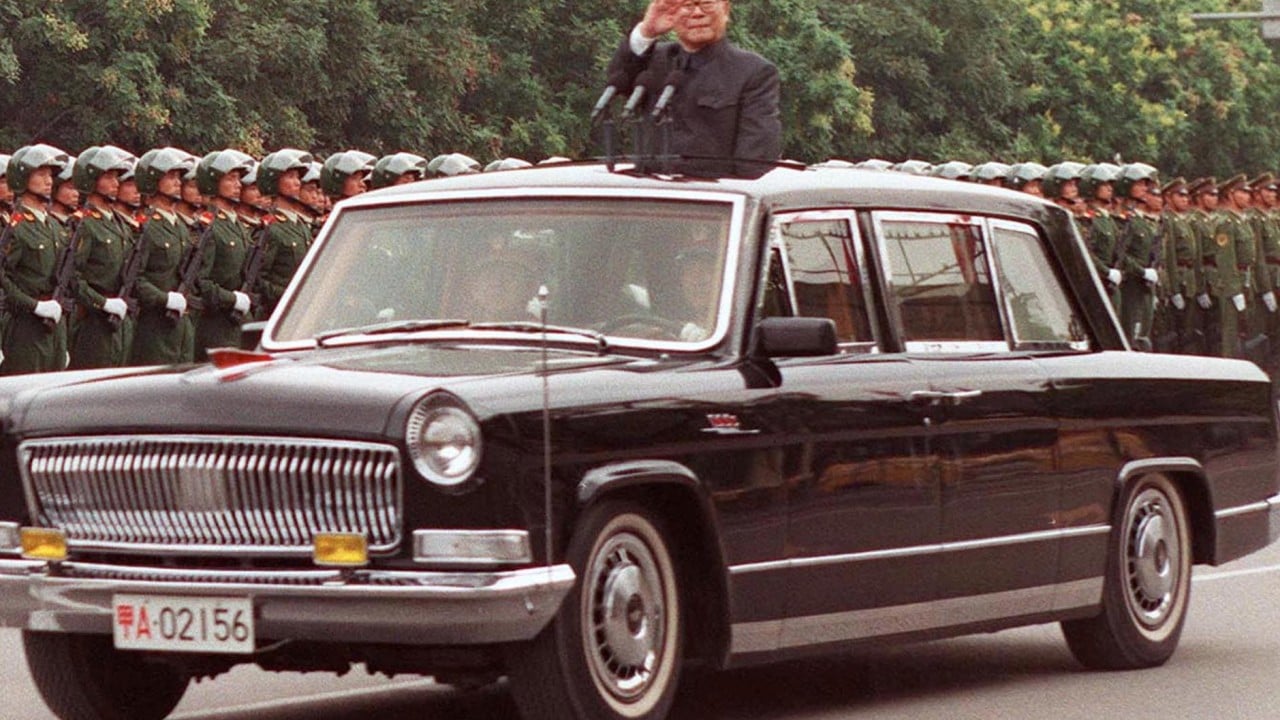
Zhang Shengmin, China's most senior general, has invoked the legacy of former President Jiang Zemin to underscore the critical importance of loyalty and party unity within the People's Liberation Army (PLA). In an article published by the official People's Daily, Zhang drew parallels between current external threats and historical events, including the collapse of the Soviet Union and the first Gulf War, to emphasize the need for military reform and unwavering allegiance to the Communist Party.
The timing of Zhang's remarks coincides with a series of events commemorating the centenary of Jiang Zemin's birth, during which President Xi Jinping also highlighted his predecessor's contributions. Zhang's piece specifically referenced the late 20th century, a period of significant geopolitical upheaval following the fall of the Iron Curtain. He argued that during this tumultuous era, "hostile forces" actively promoted ideologies such as "depoliticisation," "de-partyisation," and "nationalisation."
These concepts, according to Zhang, pose existential threats to the Communist Party's control over the military. The party views any move that would diminish its ideological grip, institutional authority, or leadership role within the PLA as fundamentally dangerous. Zhang asserted that Jiang Zemin recognized the party's absolute leadership as the PLA's core foundation. He initiated comprehensive ideological education campaigns throughout the ranks and worked to eliminate what he termed "harmful tendencies" that could undermine party discipline and control.
By referencing Jiang's leadership during a period of perceived external pressure and internal ideological challenges, Zhang Shengmin's article serves as a clear message to the PLA. It reinforces the party's paramount authority and the necessity for military personnel to remain ideologically aligned and loyal to the Communist Party, especially in the face of contemporary external threats and the ongoing push for military modernization.
DistantNews Editorial
Originally published by South China Morning Post. Summarized and contextualized by our editorial team with added local perspective. Read our editorial standards.
More Stories
From Our Blog

Countries Without a Free Press: What You Need to Know

What Press Freedom Means for the News You Read

What Gets Lost (and Found) When News Is Translated

The Critical Role of Diaspora Media in Global News

What Travellers Should Know About Countries with Restricted Press
