


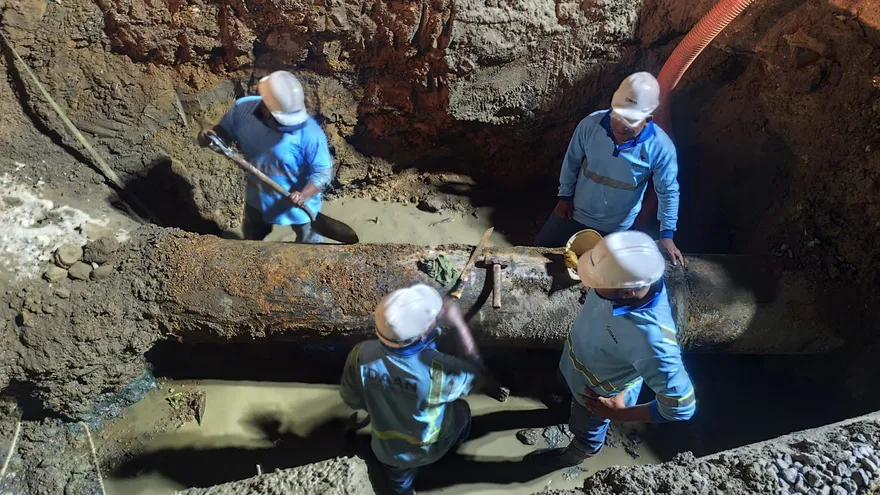

Torrijos-Carter Treaties: 49 Years Since the Agreement That Returned Panama’s Sovereignty Over the Canal
Translated from Spanish and summarized by DistantNews. Read the original for the full story.
At a glance
In-depth
From a news agency
Context piece
- Panama is marking the 49th anniversary of the Torrijos-Carter Treaties, signed in 1977 to establish a path toward the country’s recovery of control over the Panama Canal and surrounding territory.
- The agreement followed decades of disputes over the U.S.-controlled Canal Zone and tensions that peaked with the deaths of Panamanians and Americans during 1964 protests.
- Panama assumed full administration of the Canal on Dec. 31, 1999, completing the transition envisioned by the treaties.
Panama is marking 49 years since the signing of the Torrijos-Carter Treaties, the agreements that set the country on a gradual path to recovering control of its territory and taking over administration of the interoceanic waterway.
On Sept. 7, 1977, Panamanian leader Omar Torrijos Herrera and U.S. President Jimmy Carter signed the accords. For generations of Panamanians, the signing put a date on the end of a longstanding national demand. The treaties covered more than the operation of a major maritime route. They represented the gradual recovery of territory that had remained under U.S. control for more than seven decades and had physically divided the country.
Twenty-two years after the signing, at noon on Dec. 31, 1999, Panama assumed full control of the Canal. The Panamanian flag then came to represent not only ownership of the waterway, but also the responsibility of managing one of the world’s most important points of trade.
The roots of the dispute reached back to 1903, shortly after Panama separated from Colombia, when the country signed the Hay-Bunau-Varilla Treaty with the United States. The agreement gave Washington perpetual control of the Canal Zone, a strip of territory around the waterway with separate laws, authorities and economy. Although the Canal transformed maritime transport and generated economic activity, its enclave within Panama increasingly fueled public discontent. Crossing the zone meant encountering a border inside the country itself.
That division fed decades of sovereignty claims. Tensions reached a painful peak on Jan. 9, 1964, when protests over the right to raise the Panamanian flag in the Canal Zone left more than 20 Panamanians and four Americans dead. The date became known nationally as Martyrs’ Day and marked a turning point in Panama-U.S. relations. After decades of diplomatic efforts, the dispute ultimately led to the treaties signed by Torrijos and Carter.
About this summary
Originally published by TVN Panamá in Spanish. Translated, summarized, and contextualized automatically by DistantNews, with a note on how the source frames the story. Not individually reviewed before publishing. How this works.
More Stories
From Our Blog

News in Translation: What Gets Lost, and How We Keep the Framing

Diaspora Media: How Communities Follow News From Home

Traveling Where the Press Is Not Free: How to Read the News There

The Digital Nomad's Guide to Local News

The Same Story, Different Countries: How Coverage Changes at the Border
