


Trade in services grows faster than in goods
Translated from German, summarized and contextualized by DistantNews.
At a glance
Analysis
Sources not specified
Context piece
- Global trade in services is growing faster than trade in goods, according to World Bank data.
- Services like software, consulting, and finance are increasingly driving global economic growth.
- Austria, for example, uses its strong service sector, particularly tourism, to offset its trade deficit in goods.
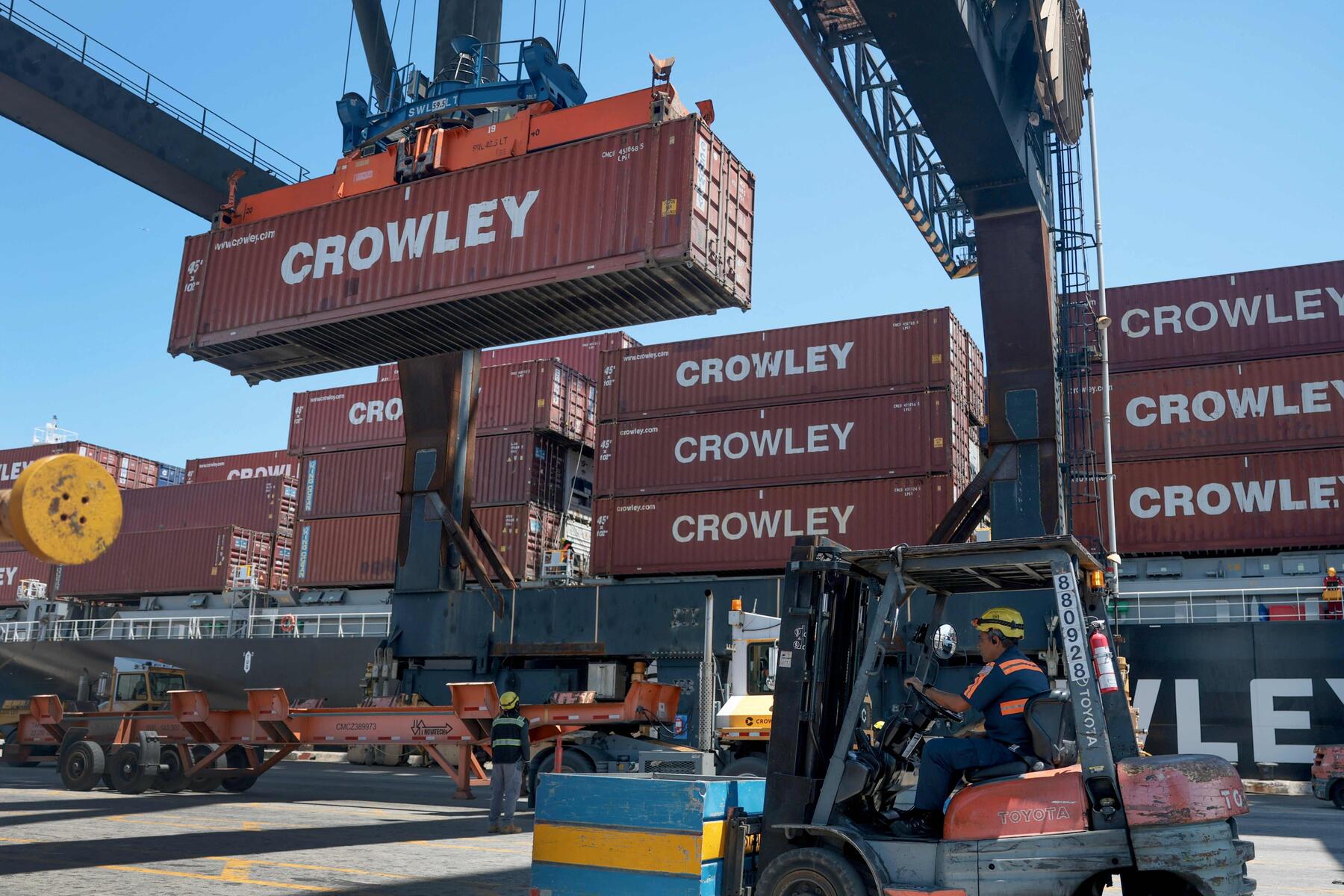
While many associate global trade with tangible goods, ports, and shipping containers, the reality is that the trade in services is experiencing more robust growth. This trend has been evident since the 2008 financial crisis, with services increasingly becoming the engine of global commerce.
Sectors such as software development, consulting, financial services, transportation, and tourism are at the forefront of this expansion. The World Trade Organization (WTO) forecasts that while trade in goods will see a real growth of 1.9% in 2026, services are projected to grow by 4.8% this year and 5.1% in 2027. This divergence highlights a significant shift in the global economic landscape.
Services encompass a broad range of activities, including transportation, travel, and digital services like software and AI applications. For countries like Austria, a strong performance in services, especially tourism, is crucial for compensating for deficits in their trade of goods. This dynamic allows them to maintain a healthier overall trade balance.
Within the services sector, commercial services, including financial, computer, and professional services, are showing the most significant growth. Digital services, increasingly powered by artificial intelligence, are a key component of this expansion. However, the long-term impact of the AI boom on trade, particularly in relation to hardware like chips, remains a subject of ongoing economic analysis.
With services, like tourism, Austria can compensate for this deficit.
DistantNews Editorial
Originally published by Die Presse in German. Translated, summarized, and contextualized by our editorial team with added local perspective. Read our editorial standards.
More Stories


From Our Blog

What Gets Lost (and Found) When News Is Translated

The Critical Role of Diaspora Media in Global News

What Travellers Should Know About Countries with Restricted Press

A Digital Nomad's Guide to Following Local News

How the Same Story Looks Different in Different Countries
