


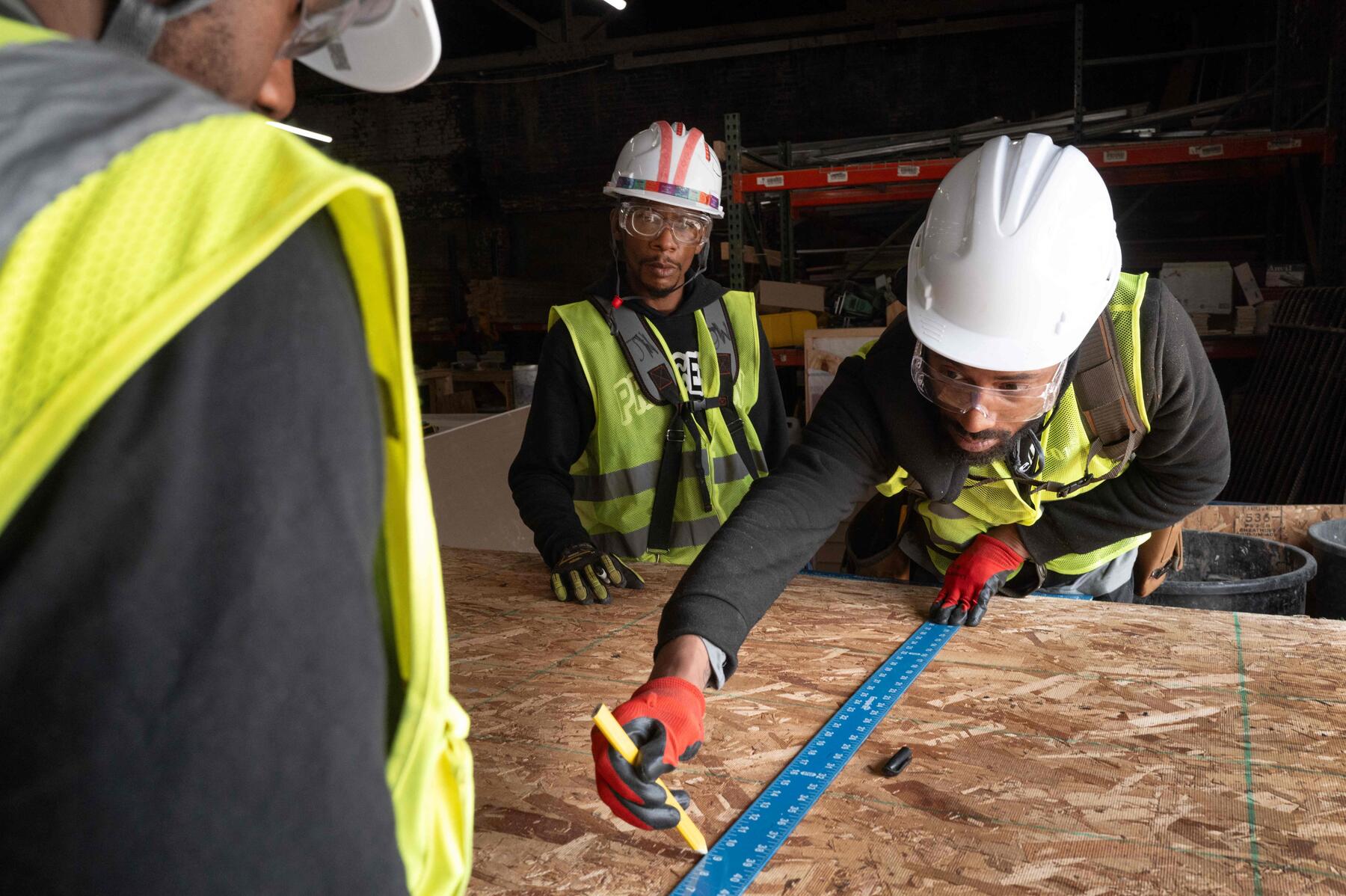
Trades over degrees: Apprenticeships gain traction in the US
Translated from German, summarized and contextualized by DistantNews.
At a glance
In-depth
Named sources
Context piece
- The US faces a growing trend of young people choosing vocational training over university due to high living costs and job market difficulties for graduates.
- Many college graduates struggle to find jobs requiring a degree, with unemployment rates for young graduates increasing.
- There is a rising demand for skilled tradespeople, with vocational training seen as a viable alternative offering good earning potential.
The United States is witnessing a shift as more young people opt for vocational training, or apprenticeships, over traditional university degrees. This trend is driven by the rising cost of living and the increasing difficulty graduates face in securing employment that matches their qualifications. Many are questioning the value of a four-year degree when faced with economic realities. "Given the cost of living, many people realize we can't just sit around for four years and go to school," noted LaDonna Glass in an interview with The New York Times, having chosen an electrical apprenticeship after high school. This pattern reflects a broader challenge of diminishing prospects for academics and a growing need for skilled manual labor. The unemployment rate for college graduates aged 22 to 27 has significantly increased, surpassing the general unemployment rate. Furthermore, over 40 percent of college graduates are working in jobs that do not require a university education. Simultaneously, industries are actively seeking well-trained professionals. "Trades have golden ground. This saying is truer today than ever before," stated Martin Leber, CEO of Inteco PTI, a steel plant equipment supplier. He highlighted that a trained locksmith can earn between $80,000 to $100,000 annually with overtime, a figure often out of reach for many university graduates. The apprenticeship model is still relatively new and less understood in the U.S. Companies like Inteco PTI often train their employees internally, a process that can take up to three years to develop qualified specialists. This internal training offers employers flexibility in shaping the curriculum and compensation, unlike the more rigid, legally bound apprenticeship systems in countries like Austria. Lukas Zitz, deputy Austrian economic delegate in New York, pointed out a significant "training gap" in the U.S. He explained that companies have historically relied on either academics with high salary expectations or individuals with minimal on-the-job training, often lacking prior experience. Apprentices, as a middle ground, were scarce. However, the demand for them is now high, especially as advancing automation and artificial intelligence necessitate individuals capable of making complex decisions. This gap, Zitz noted, represents a genuine competitive disadvantage for the U.S.
DistantNews Editorial
Originally published by Die Presse in German. Translated, summarized, and contextualized by our editorial team with added local perspective. Read our editorial standards.
More Stories



From Our Blog

What Gets Lost (and Found) When News Is Translated

The Critical Role of Diaspora Media in Global News

What Travellers Should Know About Countries with Restricted Press

A Digital Nomad's Guide to Following Local News

How the Same Story Looks Different in Different Countries
