

Trump calls off Iran attack after one conversation reportedly changed everything
Translated from Polish, summarized and contextualized by DistantNews.
At a glance
News
Named sources
New plan
- U.S. President Donald Trump announced the cancellation of planned strikes against Iran, citing diplomatic progress and appeals from regional actors.
- The military remains on high alert, and the U.S. is prepared to act if negotiations fail.
- Analysts suggest the decision may also be influenced by the rising costs of conflict for all parties involved and concerns over military supply levels.
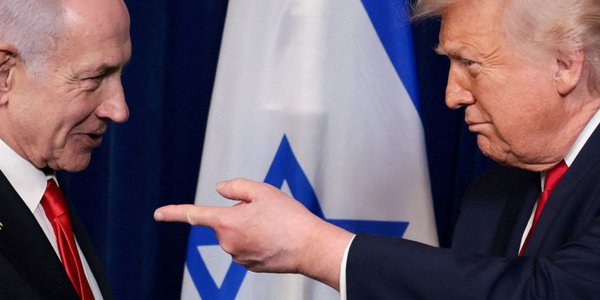
U.S. President Donald Trump announced Saturday that he had halted planned military strikes against Iran. Trump stated on the social media platform Truth Social that the decision came after appeals from Tehran and other Middle Eastern nations, as well as progress in diplomatic talks. The U.S. military, however, remains on full combat readiness, with Trump emphasizing readiness for immediate action should negotiations falter.
Sources told CNN that Trump spoke with Saudi Crown Prince Mohammed bin Salman before the announcement. The Saudi prince reportedly expressed significant concerns about further escalating the conflict and its potential consequences for regional security and the economy.
Meanwhile, Iran's Foreign Minister Abbas Araghchi reiterated Tehran's stance, vowing a strong response to any further U.S. "aggression." Iranian military officials also warned Persian Gulf states hosting U.S. bases, suggesting they could be drawn into the conflict if they cooperate with the United States. The U.S. State Department reissued travel warnings for citizens in the Middle East, advising them to consider departing the region due to potential flight cancellations and travel disruptions.
The American military remains on full combat readiness, but for now, it is refraining from an attack.
Analysts suggest that the decision to pause the strikes might stem not only from diplomatic efforts but also from the increasing financial burden of war on all involved parties. Saudi Arabia fears further disruptions to oil exports through the Strait of Hormuz, a critical shipping lane. Iran's economy, already strained by sanctions, also faces pressure. Despite this, experts note that Tehran retains the capacity for retaliatory strikes, as demonstrated by recent attacks on U.S. forces in the region.
Furthermore, experts point to the strain on U.S. military resources. A report from the Center for Strategic and International Studies (CSIS) indicates that U.S. Patriot interceptor missile stocks have fallen to about one-third of their pre-war levels, with THAAD system missile stocks also reduced. Continuous military operations also increase wear and tear on equipment, delaying necessary maintenance.
Tehran will respond firmly to any further American 'aggression.'
DistantNews Editorial
Originally published by Rzeczpospolita in Polish. Translated, summarized, and contextualized by our editorial team with added local perspective. Read our editorial standards.
More Stories


From Our Blog

What Gets Lost (and Found) When News Is Translated

The Critical Role of Diaspora Media in Global News

What Travellers Should Know About Countries with Restricted Press

A Digital Nomad's Guide to Following Local News

How the Same Story Looks Different in Different Countries
