

Trump's Apocalyptic Threats and Iran Talks Repeatedly Appear Imaginary
Translated from Finnish, summarized and contextualized by DistantNews.
At a glance
Analysis
Named sources
Ongoing story
- U.S. President Donald Trump's rhetoric regarding Iran has involved threats of "hellish bombings" followed by sudden withdrawals, citing "serious negotiations."
- Iran's Foreign Ministry stated it is not engaged in any negotiations with the U.S., contradicting Trump's claims.
- The situation reflects a pattern of escalating threats and de-escalation, with a fragile ceasefire in place since April.
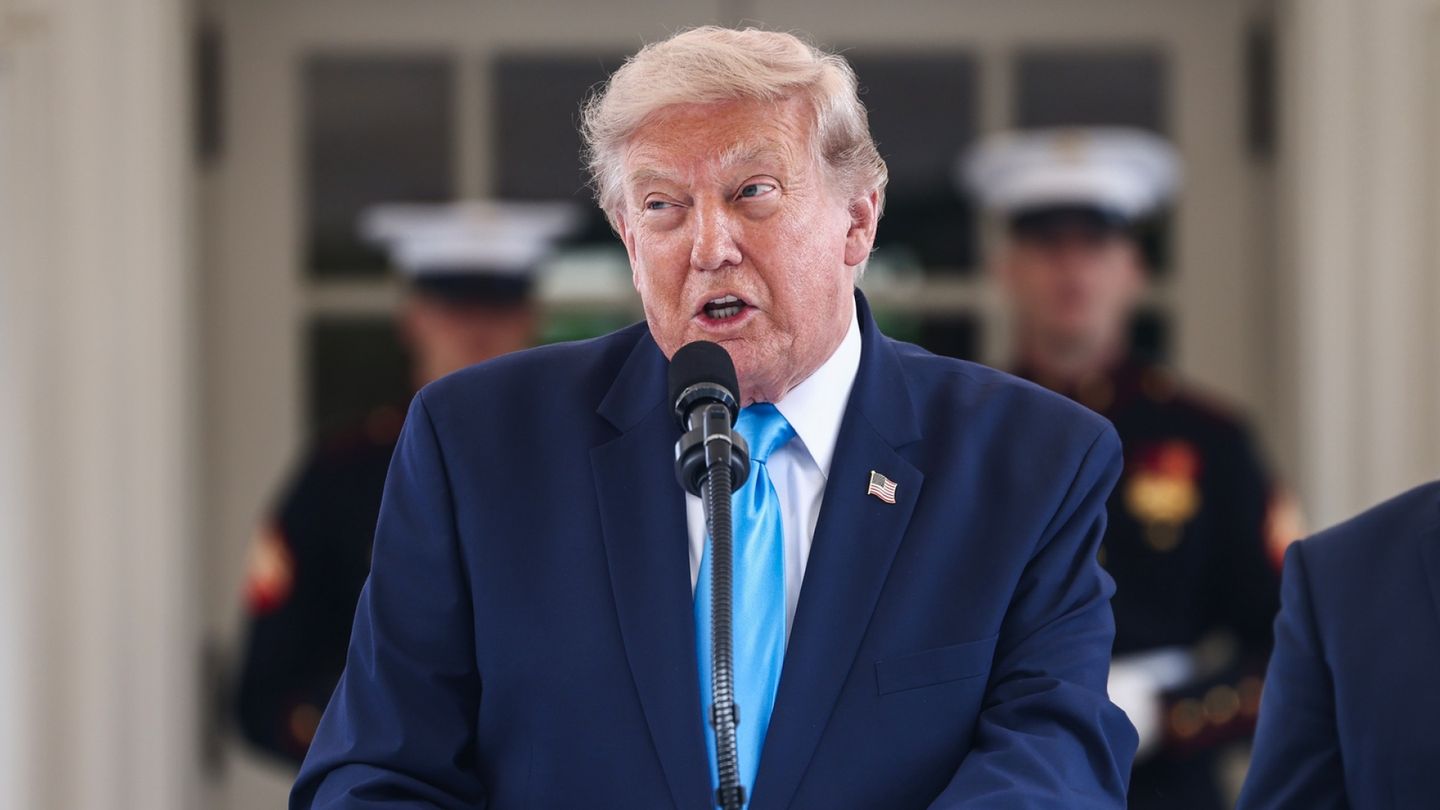
U.S. President Donald Trump's pronouncements concerning Iran have presented a volatile mix of apocalyptic threats and abrupt policy shifts, often citing the initiation of "serious negotiations." This pattern was evident on Monday, May 18, 2026, when Trump threatened Iran with "hellish bombings" over the weekend, only to retract the threat at the last minute, claiming that the U.S. and Iran were entering into "serious negotiations."
The U.S. and Iran were going to enter into 'serious negotiations.'
However, Iran's Foreign Ministry has directly contradicted Trump's assertions, stating that the country is not engaged in any form of negotiations with the United States. This stark divergence highlights the uncertainty surrounding diplomatic efforts and the reliability of public statements from both sides. The situation has been characterized by a cycle of threats and sudden reversals for over five months.
Iran is not conducting any negotiations with the United States.
Trump's social media posts on Sunday, May 17, 2026, indicated that the U.S. and Israel had prepared strikes of unprecedented scale, but he claimed to have abandoned these plans to allow diplomacy space. He suggested that an agreement framework for opening shipping traffic in the Strait of Hormuz and ending Iran's nuclear threat was emerging, with negotiations expected to begin on Monday, August 3. This statement was immediately followed by Iran's Foreign Ministry denial of any ongoing talks.
The U.S. had prepared strikes with Israel that would not have been seen 'since World War II.'
The conflict, described by The New York Times as a "whip-crack war – fighting, ceasefire, something in between," saw intense fighting in its early stages. The U.S. and Israel conducted weeks of airstrikes on Iran, which responded by bombing U.S. bases and targets in several Middle Eastern countries. A ceasefire agreement in early April brought a period of relative quiet, punctuated by sporadic escalations, though Israel has largely stayed out of direct strikes on Iran since mid-April. A memorandum of understanding was reached in mid-June, aiming for a more permanent peace within 60 days.
Whip-crack war – fighting, ceasefire, something in between.
DistantNews Editorial
Originally published by Helsingin Sanomat in Finnish. Translated, summarized, and contextualized by our editorial team with added local perspective. Read our editorial standards.
More Stories

From Our Blog

What Gets Lost (and Found) When News Is Translated

The Critical Role of Diaspora Media in Global News

What Travellers Should Know About Countries with Restricted Press

A Digital Nomad's Guide to Following Local News

How the Same Story Looks Different in Different Countries
